




A Guide to the Best OTC Allergy Medicines
Learn about the best over-the-counter medications to treat and soothe allergies with GoodRx.
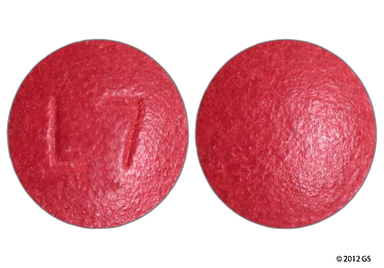
Phenylephrine (Sudafed PE) is a decongestant used to treat nasal and sinus congestion from allergies and the common cold. It's available over the counter as tablets and a liquid solution. Phenylephrine (Sudafed PE) isn't a first-choice option for people who are pregnant or breastfeeding because there's a chance that it can affect the growing baby and the mother's milk supply. Side effects of phenylephrine (Sudafed PE) are typically mild and can include feeling anxious, headache, and nausea.

Phenylephrine (Sudafed PE) is a decongestant. It works by squeezing the blood vessels around your nose and sinuses, which helps to relieve congestion and pressure.
| Common Brands | Sudafed PE |
|---|---|
| Drug Class | Alpha agonist |
| Controlled Substance Classification | Not a controlled medication |
| Generic Status | Lower-cost generic available |
| Availability | Over-the-counter |

The following side effects may get better over time as your body gets used to the medication. Let your healthcare provider know immediately if you continue to experience these symptoms or if they worsen over time.
Contact your healthcare provider immediately if you experience any of the following.
Side effects that you should report to your care team as soon as possible:
Side effects that usually do not require medical attention (report to your care team if they continue or are bothersome):



More tips for phenylephrine (Children's Sudafed PE) liquid only:

Phenylephrine (Sudafed PE) can cause some serious health issues. This risk may be even higher for certain groups. If this worries you, talk to your doctor or pharmacist about other options.
Phenylephrine (Sudafed PE) can raise your heart rate and blood pressure, even at recommended doses. If you have a history of heart conditions or high blood pressure, ask your provider if phenylephrine (Sudafed PE) is safe for you before taking it. If you get severe headaches, nosebleeds, difficulty breathing, irregular heartbeat, or chest pain while taking phenylephrine (Sudafed PE), stop the medication and seek medical attention right away.
Phenylephrine (Sudafed PE) is a decongestant, which is in many other over-the-counter products. Taking more than one medication containing a decongestant can raise your risk for serious side effects, including high blood pressure, high heart rate, and headache. Tell your provider or pharmacist about the medications you take before starting phenylephrine (Sudafed PE) to make sure it's safe for you. Don't start any new medications while taking phenylephrine (Sudafed PE) without talking to your provider or pharmacist. To prevent an accidental overdose, read package labels carefully. If you're not sure if a product has a decongestant, ask your pharmacist. If you or your loved one experiences an accidental overdose, get medical help right away or contact a poison control center at 1-800-222-1222.
Don't take phenylephrine (Sudafed PE) if you have any of the risk factors listed above unless your provider said it is safe to do so. Taking phenylephrine (Sudafed PE) can worsen your condition(s) and cause serious side effects. Make sure your provider knows about all medical conditions you have or have had in the past before starting phenylephrine (Sudafed PE).

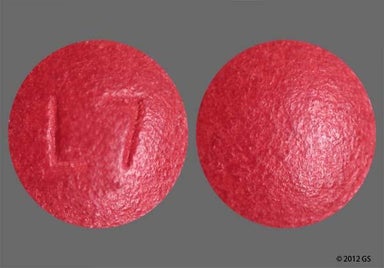
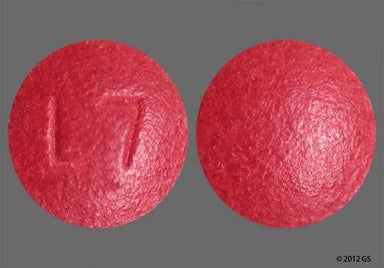
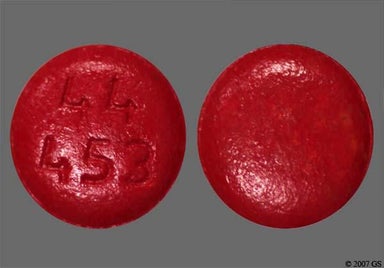
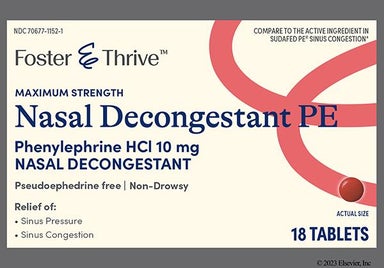
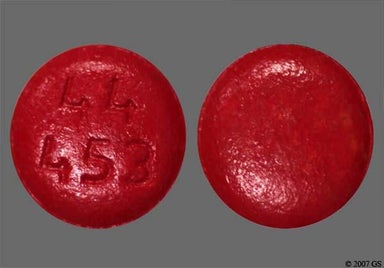
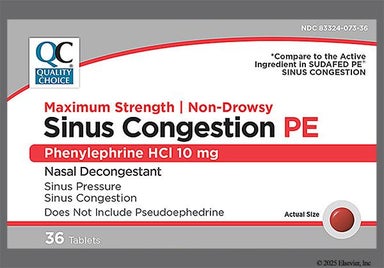
 Tablet
| Dosage | Quantity | Price as low as | Price per unit |
|---|---|---|---|
| 10mg | 36 tablets | $10.64 | $0.30 |
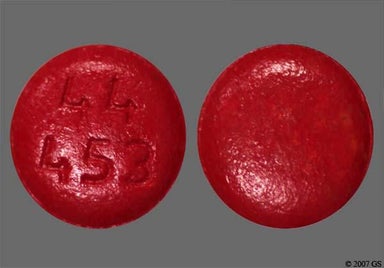
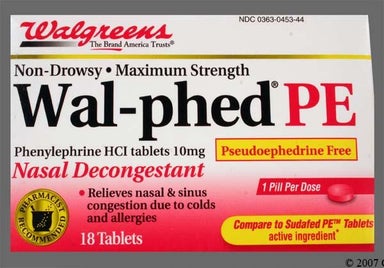
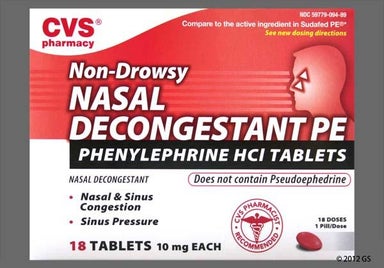
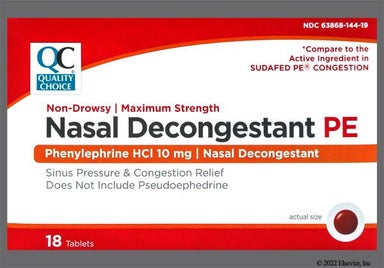
Phenylephrine (Sudafed PE) tablet
Phenylephrine (Children's Sudafed PE) liquid: Each 5 mL of solution contains 2.5 mg of phenylephrine.


Contraindications are specific health conditions or situations in which a person should not take a medication due to safety concerns. If you have any of the following conditions or if any of the following apply to you, let your healthcare provider know because Phenylephrine (Sudafed PE) will not be safe for you to take.














Prescription savings
Stop paying too much for your prescriptions. Compare prices, get pharmacy coupons, and save up to 80%. Find expert answers to your health questions so you can make the best decisions for yourself and your family.
Health conditions
Medications & treatment
Access & affordability
Medication discounts


How much Phenylephrine PE you can take per dose depends on your age, so make sure to read the manufacturer's label before you start. Typically, the adult dose is 10 mg of Phenylephrine PE taken by mouth every 4 hours. If you're also taking any OTC combination cough and cold medications, make sure to read the ingredients on the label carefully. Phenylephrine PE can be found in these combination products, so it's important that the total dose of Phenylephrine PE doesn't go over what's recommended by the manufacturer.
Yes, it's possible for Phenylephrine PE to cause difficulty sleeping (insomnia) and keep you awake. If you're having trouble going or staying asleep, try to avoid taking Phenylephrine PE in the evening or too close to bedtime.
No, Phenylephrine PE isn't a stimulant. But it might cause some stimulant-like side effects, such as high blood pressure, fast heart rate, and restlessness. If you're currently taking a stimulant medication, such as medication for attention-deficit hyperactivity disorder (ADHD), talk with your provider before you start Phenylephrine PE. They might recommend home remedies, like using a humidifier or nasal saline rinses, to help with your nasal congestion in order to lower your risk of serious side effects.
Yes, Phenylephrine PE can possibly raise your blood pressure. Phenylephrine PE treats congestion by squeezing the blood vessels in your nose and sinuses, but it also squeezes the blood vessels throughout your body, which can raise blood pressure. Phenylephrine PE isn't likely to cause blood pressure at recommended doses. But you're more likely to experience high blood pressure if you've heart problems or are taking other medications that can raise blood pressure. If you have a history of heart problems, ask your provider if Phenylephrine PE is safe for you.
If you're pregnant or thinking of becoming pregnant, don't take Phenylephrine PE until you've talked to your provider first. Information about the safety of Phenylephrine PE during pregnancy is mixed. A study showed Phenylephrine PE can raise the risk of birth defects and harm your unborn baby. But another study found decongestants similar to Phenylephrine PE didn't cause birth defects. If you're experiencing nasal congestion while pregnant, your provider will likely recommend that you try home remedies, like using a humidifier, first.
It's unclear how safe Phenylephrine PE is during breastfeeding because it hasn't been well-studied. Pseudoephedrine (Sudafed) can potentially dry up your breast milk production, so it's possible Phenylephrine PE can as well. Talk to your provider about the risks and benefits of using Phenylephrine PE while breastfeeding.
You should wait until you're fully recovered and no longer taking Phenylephrine PE before you drink alcohol. While alcohol doesn't directly interact with Phenylephrine PE, it's best to avoid drinking alcohol while you're taking this medication. If you're fighting off a cold or flu, alcohol can weaken your immune system and make it harder for your body to recover. In addition, research shows that drinking alcohol can also make your nasal congestion worse. If you've more questions about Phenylephrine PE and alcohol, talk with your provider.
Phenylephrine PE and pseudoephedrine (Sudafed) are both taken by mouth to treat congestion. But pseudoephedrine and phenylephrine are different medications. While they work in similar ways to help you breathe better, most researchers agree that pseudoephedrine (Sudafed) provides better congestion relief than Phenylephrine PE. This is likely because your body might absorb pseudoephedrine better. Keep in mind that you can only purchase pseudoephedrine (Sudafed) at the pharmacy counter, while you can find Phenylephrine PE among the over-the-counter products on the shelves at your local pharmacy. Pseudoephedrine (Sudafed) is a restricted medication because it has the potential for misuse. Ask your pharmacist if you have more questions about the differences between pseudoephedrine (Sudafed) and Phenylephrine PE.
