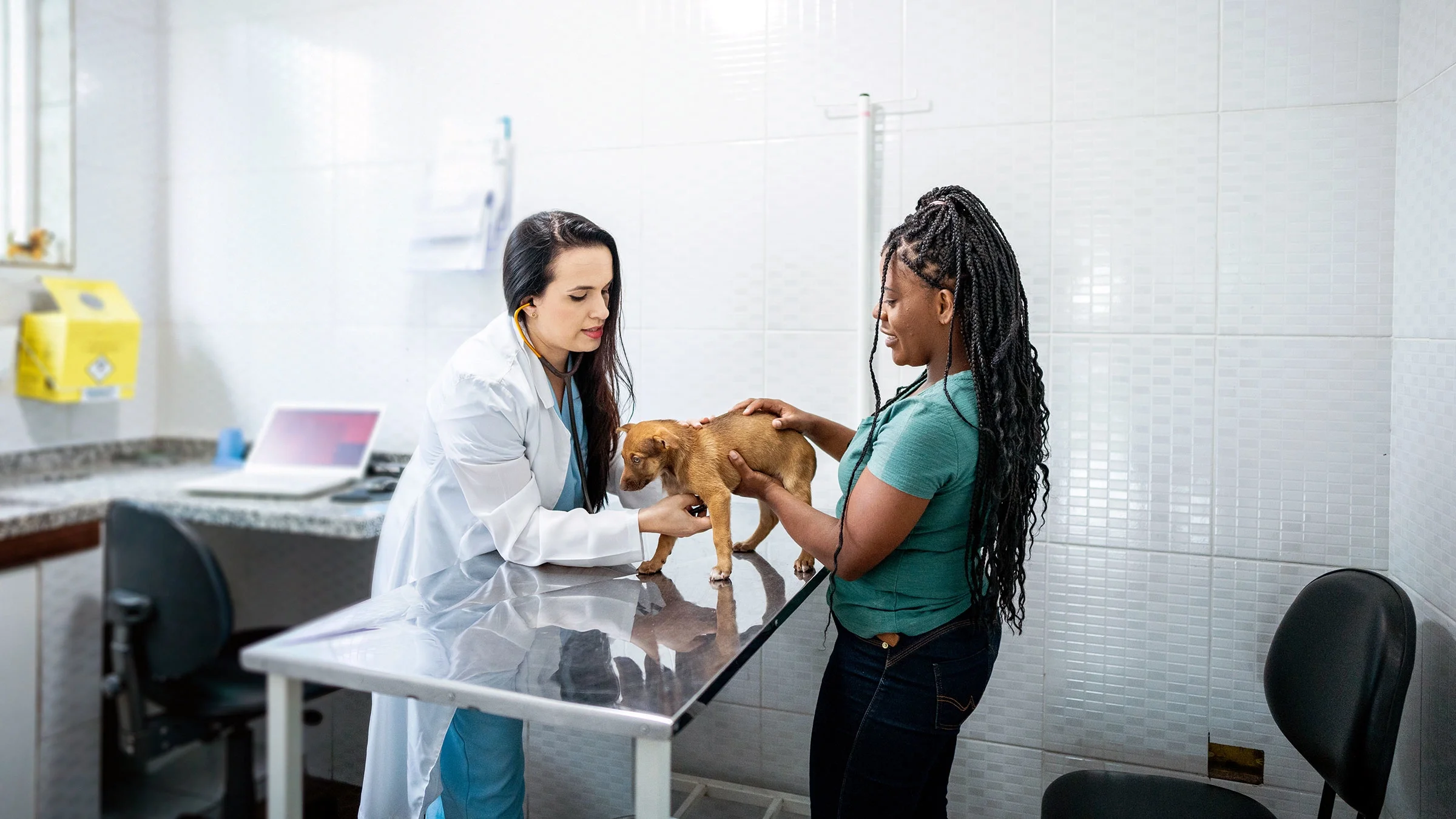
Key takeaways:
Rifampin (Rifadin) is an antibiotic sometimes used to treat specific types of bacterial infections in dogs.
The most common side effect of rifampin is vomiting. But 25% of dogs may also develop signs of liver toxicity.
A veterinarian will give you instructions on how to give rifampin capsules to your dog.
Rifampin (Rifadin) is an antibiotic that is sometimes given to dogs for specific types of bacterial infections. If your dog has been prescribed rifampin and you have questions about its use, or concerns about its side effects, you’ll find answers here.
Rifampin for dogs at a glance
Common names | Rifampin (Rifadin) |
What it treats | Certain bacterial infections |
How it comes (forms) | Capsules, oral liquid |
Dosage | Depends on your dog’s weight |
Common side effects | Red or orange body fluids, vomiting, poor appetite, lack of energy |
Average cost |
What is rifampin for dogs, and how does it work?
Rifampin is classified as an antimicrobial. This means that it can kill microscopic organisms, or microbes, like bacteria. It also has some very limited antifungal activity.
Rifampin can help treat infections caused by certain bacteria, especially mycobacteria and Staphylococcus bacteria (staph).
Search and compare options
Rifampin may kill bacteria or stop their growth. The way it works depends on the type of bacteria it is used against and the concentration of the medication.
What is rifampin used for in dogs?
Rifampin is sometimes given to dogs for certain infections where another antibiotic may not work. Bacterial resistance develops rapidly to rifampin when it is used alone. For this reason, it is common for rifampin to be prescribed alongside one or more antibiotics. It’s used most often for the following infections.
Canine leproid granuloma
Mycobacteria, the same family of bacteria that cause tuberculosis in humans, can cause a condition called canine leproid granuloma in dogs. This is also called canine leprosy. It is uncommon in the U.S and is seen more often in Australia and New Zealand.
Rifampin can successfully treat canine leproid granuloma in combination with another antibiotic.
Staph infections
Rifampin may also be used to treat infections caused by Staphylococcus bacteria that show methicillin resistance (also known as methicillin-resistant Staphylococcus aureus, or MRSA). This means that rifampin may be a treatment choice when several types of more common antibiotics don’t work.
Canine ehrlichiosis
Less commonly, rifampin may be used as a treatment for canine ehrlichiosis. This condition is caused by the blood-borne rickettsial bacteria Ehrlichia canis, which is spread by certain ticks.
Brucellosis
Rifampin can also be used to treat dogs infected with brucellosis, caused by the bacteria Brucella canis. But this is not advised except in select cases.
How is rifampin given to dogs, and what is the standard dosage?
Your dog’s dosage of rifampin will be determined based on their weight. This means that there can be a lot of variability in dosages, depending on the size and weight of a dog.
Rifampin comes in an oral form only, commonly in 150 mg and 300 mg capsules. But many dogs need doses that are different from what’s in these standard capsules. In these cases, a veterinarian may prescribe the medication through a compounding pharmacy, which can provide doses based on a dog’s specific weight. A compounding pharmacy may also be able to provide an oral liquid form of rifampin for dogs who have a hard time with pills.

Read more like this
Explore these related articles, suggested for readers like you.
Rifampin may also be given once or twice a day, depending on what is being treated. Consult with a veterinarian about the proper dosage of the medication for your dog.
Rifampin may be best given on an empty stomach, since it is absorbed better by the body this way. But if signs of digestive upset occur, rifampin can be given with food. If your dog experiences digestive side effects, try giving them the medication with food.
You can also hide rifampin capsules in a small amount of food or a treat if this makes it easier to give to your dog.
What should you do if your dog misses a dose of rifampin?
If you miss a dose, try to give your dog the medication as soon as possible. You may be giving your dog rifampin once or twice a day, depending on what it is prescribed to treat. If you have any specific questions about dose timing, make sure to ask a veterinarian.
For dogs taking rifampin once a day
If you’re giving your dog the medication once a day, and less than 12 hours has passed since the missed dose, give it to them as soon as possible. But adjust your dog’s medication schedule based on the new timing, meaning that you give them the following dose 24 hours later.
If more than 12 hours have passed since the missed dose, it may be best to wait until it’s time for the next scheduled dose.
For dogs taking rifampin twice a day
If your dog gets rifampin twice a day, and less than 4 hours have passed, give them the missed dose as soon as possible. Then try to give them the following dose about 12 hours later.
If more than 4 to 6 hours have passed since the missed dose, it may be best to wait until it’s time for the next scheduled dose.
What are the common side effects of rifampin for dogs?
The most common side effects of rifampin for dogs include:
Red or orange urine, tears, sweat, and saliva
Lack of energy
The change in color to your dog’s bodily fluids will be temporary. They are also not harmful to your pup.
What are the most serious risks of rifampin for dogs?
The most serious risk of rifampin for dogs is liver damage. About 25% of dogs treated with rifampin may have elevated liver enzymes, which suggests potential liver damage. Hepatitis (liver inflammation) has also been reported in some dogs while taking rifampin.
Liver function blood work is often advised before giving your dog rifampin. Blood work may also be recommended for 1 or 2 weeks after they start taking rifampin. Checking blood work on a monthly basis is recommended if they take the medication for longer than a couple of weeks.
If you believe your dog received an overdose of rifampin or has serious side effects related to the medication, get them help by contacting:
A veterinarian
Does rifampin interact with other dog medications?
Rifampin can interact with many other medications for dogs. This does not mean they cannot be taken together. But careful use under veterinary guidance is best if your dog takes any of the following medications:
Atovaquone
Clarithromycin
Cyclophosphamide
Fluoroquinolone antibiotics, like enrofloxacin and marbofloxacin
Ifosfamide
Isoniazid
Leflunomide
Propofol
Rifampin can cause extra stress on a dog’s liver. So other medications that are processed by the liver may work differently than expected when taken with rifampin. These effects may last for up to 1 month after your dog stops taking rifampin. These medications may include:
Amiodarone
Azole antifungals like fluconazole and ketoconazole
Benzodiazepines like diazepam and alprazolam
Beta blockers like propranolol
Buspirone
Calcitriol
Chloramphenicol
Dapsone
Digoxin
Doxorubicin
Estrogens
Glipizide
Ketamine
Lidocaine
Mexiletine
Mycophenolate
Opioids like tramadol and hydrocodone
Praziquantel
Progestin and progesterone
Proton pump inhibitors, like omeprazole
Quinidine
Rivaroxaban
Sertraline
Steroids, like prednisone
Sulfamethoxazole / trimethoprim
Vincristine
Frequently asked questions
We don’t have a lot of information on how rifampin affects pregnant or nursing dogs. But based on how it affects other animals, it may affect a pregnant dog and her milk when nursing puppies. It’s likely best not to use rifampin in pregnant or nursing dogs. But a veterinarian will give you guidance.
No, you can’t get rifampin for dogs without a prescription from a vet.
We don’t have a lot of information on how rifampin affects pregnant or nursing dogs. But based on how it affects other animals, it may affect a pregnant dog and her milk when nursing puppies. It’s likely best not to use rifampin in pregnant or nursing dogs. But a veterinarian will give you guidance.
No, you can’t get rifampin for dogs without a prescription from a vet.
The bottom line
Rifampin (Rifadin) is an antibiotic that can treat certain bacterial infections in dogs. Rifampin is often given alongside one or more antibiotics to increase their effectiveness. Liver toxicity is a significant risk of rifampin for dogs. Follow the prescribing guidelines a veterinarian gives you, and call them if you notice any signs of a serious reaction in your dog.

Why trust our experts?




References
Bajwa, J., et al. (2013). Adverse effects of rifampicin in dogs and serum alanine aminotransferase monitoring recommendations based on a retrospective study of 344 dogs. Veterinary Dermatology.
Breitschwerdt, E. B. (2011). Treatment of canine ehrlichiosis. World Small Animal Veterinary Association World Congress Proceedings.
Centers for Disease Control and Prevention. (2024). Veterinary guidance for brucellosis.
Cruz-Rincon, S. (2022). Hepatitis in dogs. Veterinary Partner.
Fadok, V. A. (2014). How I treat methicillin-resistant staphylococcal pyoderma. World Small Animal Veterinary Association World Congress Proceedings.
Foley, J. E., et al. (2002). Clinical, microscopic, and molecular aspects of canine leproid granuloma in the United States. Veterinary Pathology.
Malik, R., et al. (2001). Treatment of canine leproid granuloma syndrome: Preliminary findings in seven dogs. Australian Veterinary Journal.
Mercer, M. A., et al. (2024). Rifamycins use in animals. Merck Veterinary Manual.
U.S. Pharmacopeial Convention. (2007). Rifampin (veterinary—systemic) [package insert].