Key takeaways:
Signs of stroke in dogs include loss of balance, head tilt, and weakness on one side.
Strokes in dogs often occur without warning, and the symptoms vary. But a dog that is having a stroke needs immediate veterinary treatment.
How well a dog recovers from a stroke depends on several factors, such as the severity of the stroke and any underlying health conditions.
Dogs and humans can experience many of the same health conditions, including strokes. A stroke, also known as a cerebrovascular accident (CVA), is any interruption in blood flow to the brain. Without enough blood flow, oxygen cannot reach the brain’s cells, potentially leading to permanent damage.
Dog strokes are often sudden. So it’s essential to recognize the symptoms and respond quickly if your dog is having a stroke.
Dog stroke symptoms
The signs of stroke in dogs often occur suddenly. And they usually depend on which area of the brain is affected.
Search and compare options
Common dog stroke symptoms include:
Loss of balance
Nausea or vomiting due to balance issues
Wandering in circles
Loss of body control
Unusual eye movements, such as back and forth or loss of blink reflexes
Head tilt
Weakness on one side
Misjudging steps while walking
Dog strokes are either ischemic (due to blocked blood vessels) or hemorrhagic (due to ruptured blood vessels). Symptoms from ischemic strokes typically don’t get worse beyond 24 hours after they start. If not treated, hemorrhagic stroke symptoms can last longer than 24 hours. Signs of stroke in dogs usually improve within 72 hours, but it can take weeks or longer for a pet to improve completely.
Can a stroke be fatal for dogs?
Yes, severe strokes can cause a level of damage that dogs can't recover from. But strokes aren’t always fatal in dogs.
Many dogs don’t receive a stroke diagnosis in time to get immediate treatment. Or stroke signs in dogs can be missed at first. Whether and how well a dog recovers from a stroke depends on a few factors:
Severity of the stroke
Any other health conditions they have
How quickly treatment was started
While it can be a difficult process, most dogs that survive ischemic strokes have a good chance of recovering. If your dog recovers well in the first 30 days, the outlook is generally good. Though, it is possible for them to have another stroke after this period, so they should be monitored closely. Stay in communication with your veterinarian in case your dog’s recovery slows or their symptoms return.
Your veterinarian can also determine how well your dog might recover in the long term, based on their response to treatment. Overall, dogs seem to recover from strokes better than humans. Having patience, supporting any physical disabilities, communicating with your veterinarian, and keeping a realistic outlook will go a long way toward helping your dog heal.
What to do first when your dog has a stroke
If you think your dog is having a stroke, act quickly. Stroke symptoms in dogs require immediate veterinary care.

Read more like this
Explore these related articles, suggested for readers like you.

Dog strokes can be confused with other conditions, such as fainting spells and vestibular disorders that cause balance problems. Talk to your veterinarian if you notice any unusual symptoms in your dog.
Your vet may find it helpful for you to note the timeline of symptoms, as well. Consider jotting down:
What your dog was doing before their symptoms started
The symptoms you noticed
Whether the symptoms continued to develop or worsen
This information could help your veterinarian as they try to figure out the cause of your dog’s symptoms.
How to transport a dog having a stroke
When being transported to the veterinarian or an emergency hospital, smaller dogs should be put in a carrier for safety. If you have a larger dog, carefully carry them to the car, and make sure they are safely secured with minimal restraint. Try not to overhandle your pup, and call your vet or the hospital to let them know you’re on your way.
How are strokes in dogs diagnosed?
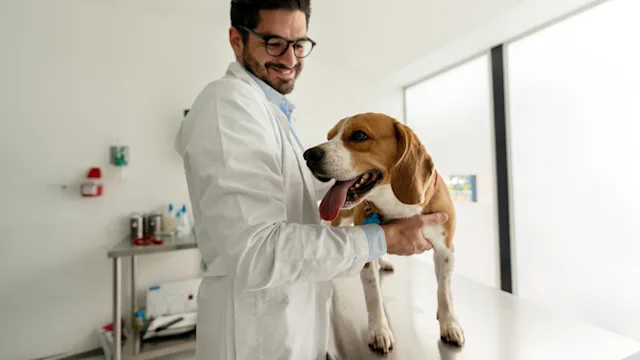
If your dog is having a stroke, your veterinarian will need to accurately diagnose it before beginning treatment. This will involve a complete physical exam and other diagnostic tests, such as blood tests, urine tests, and a blood pressure reading.
These tests can rule out other potential causes of your dog’s symptoms. They can also help your veterinarian identify the underlying cause of the stroke. Your veterinarian will likely use an MRI scan of your dog’s brain to confirm the stroke.
How to treat a dog recovering from a stroke
Treatment for dog strokes centers on addressing symptoms, providing overall supportive care, and managing any underlying health conditions. If any underlying causes of a stroke aren’t treated, another one could happen later on.
Examples of treatments for dog stroke symptoms are:
Medication to lower blood pressure
Anticoagulant medication to dissolve blood clots
Medication to correct hypothyroidism (low thyroid hormone levels)
If your dog has a stroke, treatment and supportive care will eventually restore blood flow to their brain. This often resolves any neurologic symptoms like head tilt or eye movement issues. Some dogs eventually regain function completely, while others may have permanent neurological changes. If your dog loses mobility, it could come back within the first few months following the stroke.
Supportive dog stroke treatment at home includes providing a nutritious diet and helping manage peeing and pooping. Your vet may also recommend IV fluid therapy, oxygen therapy, or physical therapy.
Here’s what may have caused your dog to have a stroke
As mentioned, dog strokes are either due to blocked blood vessels or ruptured blood vessels. Things like bacteria and parasites can contribute to blocked blood vessels. Trauma and blood clotting disorders can cause blood vessels to rupture. Strokes in dogs are more commonly caused by blocked blood vessels.
There are several underlying health conditions that can increase stroke risk in dogs:
Hypertension (high blood pressure)
Blood clotting disorders
Some medications — like phenylpropanolamine (Proin), which treats urine leakage — might also increase the risk of stroke in dogs.
No dog breed is specifically prone to having strokes. But dogs from breeds predisposed to developing one of the above health conditions may also have a higher risk of stroke.
Frequently asked questions
A dog’s life expectancy after a stroke depends on the type of stroke they had. In one small study, dogs who survived an ischaemic stroke lived, on average, for 1.3 more years. Your veterinarian can give you a prognosis based on the severity and cause of your dog’s stroke.
Several canine conditions have similar symptoms to dog strokes. For example, vestibular disease symptoms include a loss of balance and head tilt. Vomiting and seizures are common signs of heatstroke in dogs. All of these symptoms require veterinary care.
It would be really hard for a dog to recover from a stroke without supportive care and treatment to restore blood flow to the brain. If you think your dog is having a stroke, take them to your veterinarian or an emergency hospital immediately.
A dog’s life expectancy after a stroke depends on the type of stroke they had. In one small study, dogs who survived an ischaemic stroke lived, on average, for 1.3 more years. Your veterinarian can give you a prognosis based on the severity and cause of your dog’s stroke.
Several canine conditions have similar symptoms to dog strokes. For example, vestibular disease symptoms include a loss of balance and head tilt. Vomiting and seizures are common signs of heatstroke in dogs. All of these symptoms require veterinary care.
It would be really hard for a dog to recover from a stroke without supportive care and treatment to restore blood flow to the brain. If you think your dog is having a stroke, take them to your veterinarian or an emergency hospital immediately.
The bottom line
A stroke happens when blood flow to a dog’s brain is blocked or interrupted. Although strokes are less common in dogs than humans, they are often sudden and serious, requiring immediate veterinary care. There are two types of stroke in dogs: ischemic (due to blocked blood vessels) or hemorrhagic (ruptured blood vessels). Dog stroke symptoms include head tilt, circling, loss of balance, and unusual eye movements.
Dog stroke treatment is mostly supportive, but it’s also important to treat any underlying causes. Underlying conditions that can lead to stroke are Cushing’s disease and blood clotting disorders. If you think your dog is having a stroke, don’t delay getting them to the veterinarian for diagnosis and treatment. The sooner your dog gets help, the better their chances for recovery.

Why trust our experts?



References
American Animal Hospital Association. (2019). How can I tell if my pet has had a stroke?
Arnold, S. A., et al. (2020). Imaging ischemic and hemorrhagic disease of the brain in dogs. Frontiers in Veterinary Science.
Brooks, W. (2023). Vascular accidents (strokes) in the brains of dogs and cats. Veterinary Partner.
Gredal, H., et al. (2013). Survival and clinical outcome of dogs with ischaemic stroke. The Veterinary Journal.
Gredal, H., et al. (2017). Getting to grips with canine stroke. World Small Animal Veterinary Association Congress Proceedings.
Platt, S. (2008). Canine stroke. World Small Animal Veterinary Association World Congress Proceedings.