Key takeaways:
Cats of all ages should go to the vet annually for an examination. Senior cats ages 10 and older may benefit from an exam every 6 months.
Veterinary checkups for cats may include routine preventive care, such as vaccines, flea and tick prevention, and blood testing.
Your cat’s specific needs will depend in part on their age. Kittens will need to be spayed or neutered, get their first vaccines, and be microchipped.
Many pets don’t love going to the veterinarian. But cats are especially reluctant to get in a carrier, travel to an unfamiliar location, and let new people examine them. If your cat seems healthy, it’s easier to skip the hassle of veterinary visits. That’s probably one reason why 40% of cats don’t see a vet each year, compared with only 15% of dogs.
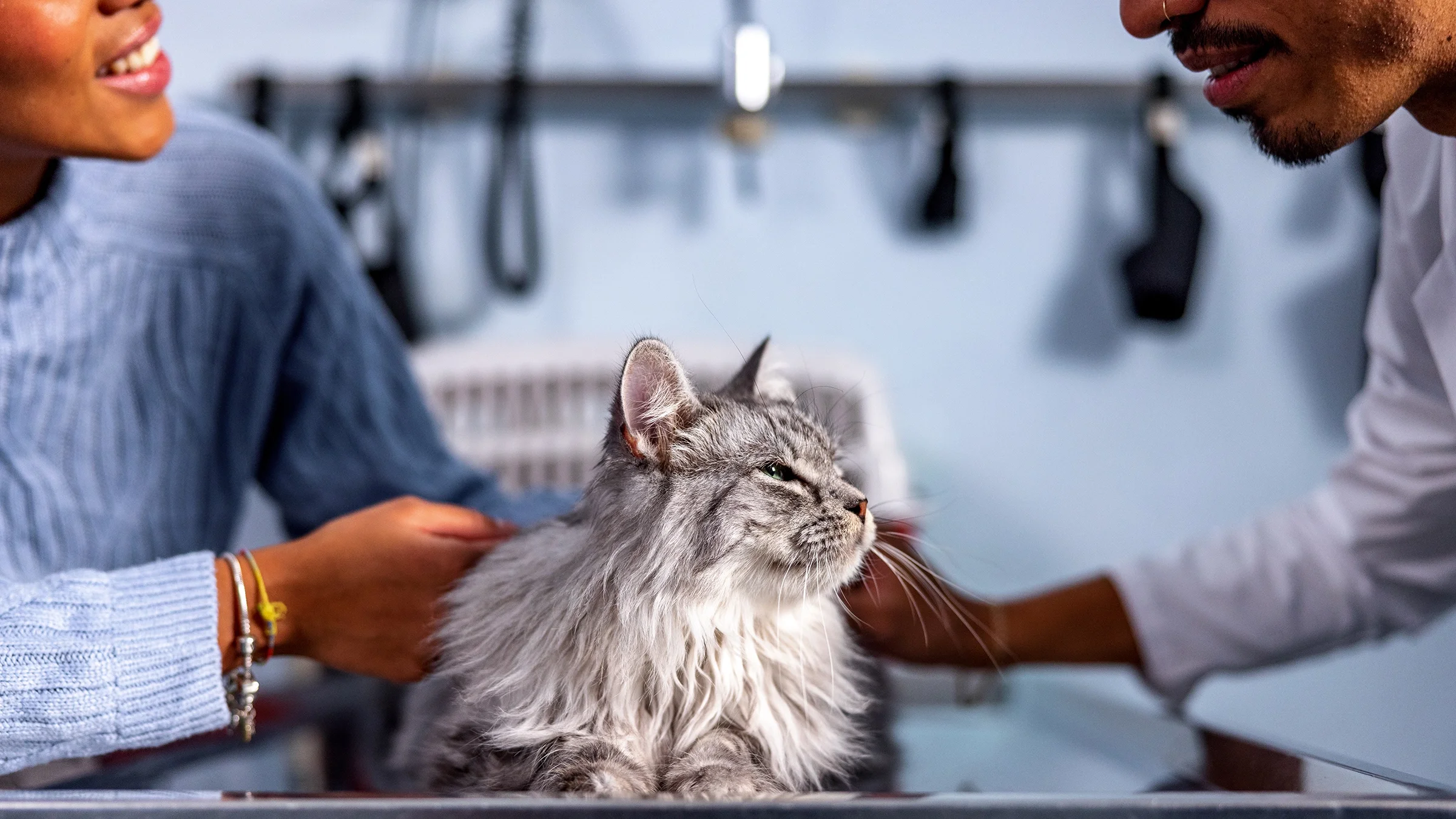
Getting your cat to the vet might be difficult, but cats need regular health checkups just like dogs and people. Cats also commonly hide their pain and discomfort. Regular veterinary visits and blood work can help detect these issues before they become a major problem.
So how often does your cat need to go to the vet?
Search and compare options
How often should you take your cat to the vet?
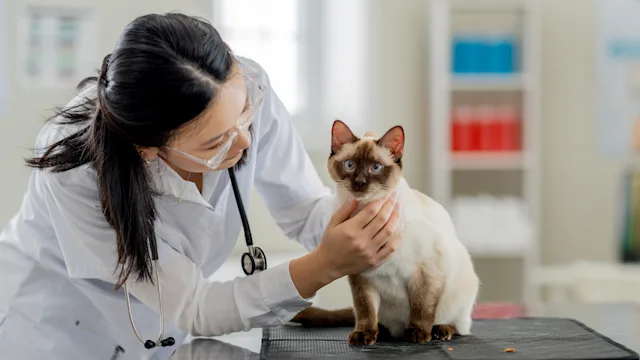
Cats need to go to the vet at least once a year for a veterinary checkup. For senior cats ages 10 and older, it’s best to get a veterinary checkup at least every 6 months. Because older cats are more likely to have health issues, more frequent vet visits can help you catch problems earlier.
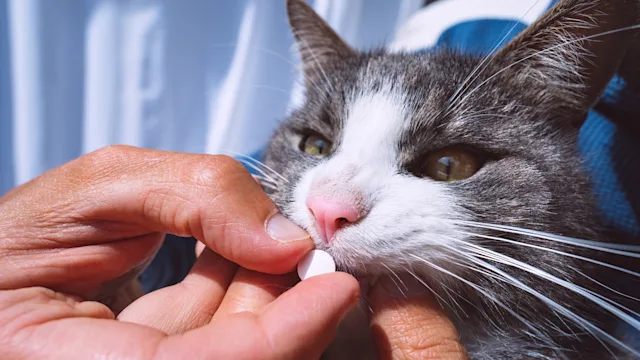
Regular checkups may include preventive care, such as vaccinations and flea prevention medication. Your veterinarian may do routine blood work on your cat to look for signs of health problems. They should also check your cat’s teeth for gum or dental disease.
Why do cats need regular veterinary checkups?
By seeing your cat for regular checkups, a veterinarian can help protect their health in a number of ways, including:
Understanding what’s normal for your cat’s health
Keeping your cat up to date on their vaccinations
Catching potential health issues as early as possible
Doing blood work to check for chronic health conditions
Screening for dental problems that can affect your cat’s well-being
Making sure your cat stays at a healthy weight
Getting support for behavioral issues, like not using the litter box
Preventing minor health problems from becoming an emergency
Detecting age-related health changes in your cat
Quiz: What human foods are safe for cats?
What routine care does your cat need?
All cats need at least a yearly vet checkup. Other routine care will vary depending on your cat’s age and needs. Here are recommendations for veterinary care based on your cat’s life stage.
Kittens (up to 1 year old)
Among the first things kittens need are their core vaccinations and boosters. Ideally kittens will get their first round of vaccinations at 6 to 8 weeks old, followed by boosters a few weeks later.
Kittens need the following vaccines:
Feline calicivirus
Feline herpesvirus-1
Feline leukemia

Read more like this
Explore these related articles, suggested for readers like you.




Your veterinarian may recommend other routine care, such as spaying or neutering your kitten. They might also recommend microchipping, which can help you find your cat if they get lost. Your vet can provide guidance on the best diet to feed your kitten and what to expect as they develop.
Young adult cats (1 to 6 years old)
As part of a young adult cat’s routine veterinary care, your vet will:
Make sure your cat is up to date on their vaccine boosters
Check their weight and ask about their diet
Examine their gums and teeth for signs of dental disease
Make sure your cat is getting their parasite prevention medication
Ask if you’ve seen behavior changes in your cat
Mature adult cats (7 to 10 years old)
By the time your cat is 7 to 10 years old, you may start to notice some early signs of aging. So routine care for these mature adult cats often includes:
Yearly physical and dental exams
Blood work
Discussions about changes and modifications as your cat ages
Vaccine boosters
Flea and parasite prevention
Senior cats (over 10 years old)
Experts recommend that cats over 10 years old get veterinary checkups every 6 months. For cats over 15 years old, it may be best to take your cat to the vet every 4 months. This allows you and your veterinarian to keep a close eye on any health changes in your cat.
As part of their checkups, senior cats should get blood work done. Blood tests check the health of your cat’s kidneys, liver, thyroid, and other body systems. This will help you catch potential chronic health problems and start treatment as soon as possible. Your veterinarian may also take a urine sample from your cat to monitor their health.
Your veterinarian will continue to check your cat’s gum and teeth health. They’ll also make sure your cat is up to date on their vaccine boosters and flea and tick prevention medication.
The bottom line
Most cats need to go to the veterinarian at least once a year. As your cat ages or develops chronic health conditions, they may need to go more often. Senior cats over age 10 should go to the vet at least every 6 months.
Routine care for your cat typically includes a physical exam, blood work, vaccine boosters, and a dental exam. By keeping up with your cat’s veterinary visits, you can catch potential health issues as early as possible.

Why trust our experts?



References
American Animal Hospital Association. (2019). The facts of your cat’s life.
American Animal Hospital Association. (2020). Why are regular veterinary visits important?
American Association of Feline Practitioners. (2021). Feline life stages.
American Veterinary Medical Association. (2011). AAHA-AVMA feline preventive healthcare guidelines.
American Veterinary Medical Association. (2015). Pet dental care.
Quimby, J., et al. (2021). 2021 AAHA/AAFP Feline Life Stage Guidelines. Journal of Feline Medicine and Surgery.
Ray, M., et al. (2021). 2021 AAFP Feline Senior Care Guidelines. Journal of Feline Medicine and Surgery.
Volk, J. O., et al. (2011). Executive summary of the Bayer veterinary care usage study. Journal of the American Veterinary Medical Association.