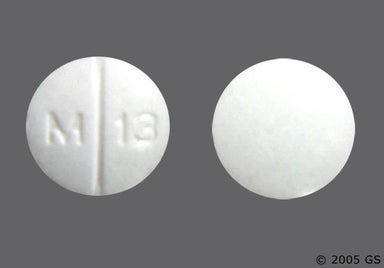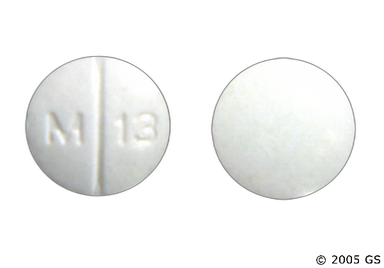

Tolbutamide is an oral medication that's used to improve blood sugar control in people with type 2 diabetes. It's generally aused when blood sugar can't be controlled by diet alone. Both brand and generic versions of this medication have been discontinued and are no longer available in the United States.
Tolbutamide is a first generation sulfonylurea used to help control blood sugar in people with type 2 diabetes. It works to lower your blood sugar by causing the pancreas to release insulin. And it's only taken if dietary changes aren't enough to control blood sugar levels.
No, tolbutamide has been discontinued and is no longer available in the United States. It's unclear exactly why this medication was discontinued. But the first generation sulfonylureas fell out of favor due to high risk of serious side effects. And tolbutamide has been shown to raise the risk of death from heart problems.
Tolbutamide has been discontinued, but there are a lot of other medications that can help control blood sugar in people with type 2 diabetes. Second generation sulfonylureas like glipizide and glyburide work similarly to tolbutamide, so those might be good alternatives. But talk to your provider to find the best medication for you.
Although certain medicines should not be used together at all, in other cases two different medicines may be used together even if an interaction might occur. In these cases, your doctor may want to change the dose, or other precautions may be necessary. When you are taking this medicine, it is especially important that your healthcare professional know if you are taking any of the medicines listed below. The following interactions have been selected on the basis of their potential significance and are not necessarily all-inclusive.
Using this medicine with any of the following medicines is usually not recommended, but may be required in some cases. If both medicines are prescribed together, your doctor may change the dose or how often you use one or both of the medicines.
Using this medicine with any of the following medicines may cause an increased risk of certain side effects, but using both drugs may be the best treatment for you. If both medicines are prescribed together, your doctor may change the dose or how often you use one or both of the medicines.