


Early Breast Cancer Treatments: 5 Common Options to Explore
Early breast cancer treatments include surgery, radiation, and medications such as chemotherapy, hormone therapy, anti-HER2 drugs, and targeted therapies.
Herceptin (trastuzumab) is a targeted anticancer treatment for certain HER2-positive cancers. It treats HER2-positive, early-stage, breast cancer (after breast surgery to remove the tumor) and late-stage, metastatic breast cancer (spread to other parts of the body). It can also treat HER2-positive, metastatic stomach cancer. Herceptin (trastuzumab) is most often used together with other anticancer medications, but can also be used by itself. Depending on the type of cancer, Herceptin (trastuzumab) can be injected into a vein (intravenous, IV) or under the skin (subcutaneous, SQ).

Herceptin (trastuzumab) is a monoclonal antibody that acts as a human epidermal growth factor receptor 2 (HER2) inhibitor. It blocks a specific protein in the body that’s important for cell growth called HER2. HER2 is found on both normal and cancer cells. Cancer cells usually have more HER2 proteins than normal cells. This can cause cancer cells to grow more quickly than normal cells. When HER2 is blocked by Herceptin (trastuzumab), cancer cells can’t grow and spread as well.
| Common Brands | Herceptin, Herceptin Hylecta, Kanjinti, Trazimera, Ogivri |
|---|---|
| Drug Class | HER2 receptor antagonist |
| Controlled Substance Classification | Not a controlled medication |
| Generic Status | No lower-cost generic available |
| Availability | Prescription only |

The following side effects may get better over time as your body gets used to the medication. Let your healthcare provider know immediately if you continue to experience these symptoms or if they worsen over time.
*Side effect percentages listed for Herceptin (trastuzumab) when used by itself.
Contact your healthcare provider immediately if you experience any of the following.
Along with its needed effects, a medicine may cause some unwanted effects. Although not all of these side effects may occur, if they do occur they may need medical attention.
Check with your doctor or nurse immediately if any of the following side effects occur:
More common
Dizziness
fever or chills
headache
muscle aches
nausea or vomiting
skin rash
stuffy or runny nose
unusual tiredness or weakness
Less common
Bloody nose
difficult or labored breathing
ear congestion or pain
fast or irregular heartbeat
general feeling of discomfort or illness
head congestion
hoarseness or other voice changes
increased cough
joint pain
loss of appetite
pain or tenderness around the eyes and cheekbones
shivering
sweating
swelling of the feet or lower legs
tightness in the chest
trouble with sleeping
vomiting
Rare
Blue lips and fingernails
blurred vision
confusion
cough or hoarseness, accompanied by fever or chills
faintness or lightheadedness when suddenly getting up from a lying or sitting position
large, hive-like swelling on the face, eyelids, lips, tongue, throat, hands, feet, or sex organs
lower back or side pain, accompanied by fever or chills
painful or difficult urination, accompanied by fever or chills
pale skin
redness of the skin
Incidence not known
Black, tarry stools
bloody or cloudy urine
sores, ulcers, or white spots in the mouth
unusual bleeding or bruising
Some side effects may occur that usually do not need medical attention. These side effects may go away during treatment as your body adjusts to the medicine. Also, your health care professional may be able to tell you about ways to prevent or reduce some of these side effects. Check with your health care professional if any of the following side effects continue or are bothersome or if you have any questions about them:
Less common
Numbness or tingling of the hands or feet
Other side effects not listed may also occur in some patients. If you notice any other effects, check with your healthcare professional.
Call your doctor for medical advice about side effects. You may report side effects to the FDA at 1-800-FDA-1088.




Herceptin (trastuzumab) can cause some serious health issues. This risk may be even higher for certain groups. If this worries you, talk to your doctor or pharmacist about other options.
 Herceptin (trastuzumab) can cause new or worsening heart failure and affect how well your heart pumps blood through your body. Your risk of heart problems is higher if you’re receiving Herceptin (trastuzumab) with other heart-damaging anticancer medications. Make sure your provider has your full medical history, so they can closely monitor your heart through imaging using an echocardiogram or a MUGA scan. You’ll need to get this scan before starting treatment, about every 3 months while receiving Herceptin (trastuzumab), and a few more times after you complete treatment. Let your care team know if you experience any signs and symptoms of heart failure, including shortness of breath, dry cough, irregular heartbeats, chest pain, or weight gain.
Herceptin (trastuzumab) can cause infusion reactions, most commonly fever and chills. They can also include nausea, vomiting, pain, headache, dizziness, rash, and weakness. These reactions are usually mild and tolerable, but in rare cases, they can be serious. They can also happen during or several hours after the infusions. Alert your provider or get medical help right away if you experience any throat tightness, trouble breathing, fast heartbeat, fever, chills, hives, flushing, dizziness, or chest pain.
Rare, but serious, lung problems, including inflammation of the lungs and fluid buildup in the lungs, have happened in people receiving Herceptin (trastuzumab). This can be related to signs of an infusion reaction. Let your provider know if you have difficulty breathing, cough, or fatigue during your treatment.
Herceptin (trastuzumab) can harm an unborn baby. This medication can affect the amount of amniotic fluid surrounding your baby in the womb. This can potentially cause developmental abnormalities and even death. Because of this risk, if you’re a female who can get pregnant, you should use birth control while receiving Herceptin (trastuzumab) and for 7 months after the last dose. Let your provider know right away if you become pregnant during this time.
In studies, people receiving Herceptin (trastuzumab) in combination with bone marrow-suppressing chemotherapy had more serious decreases in their white blood cell, red blood cell, and platelet levels compared to those receiving chemotherapy alone. This raises the risk of developing infections and bleeding or bruising. Let your provider know as soon as possible if you experience fevers, chills, or bleeding and bruising that doesn’t stop or go away. You might need to stop this medication.

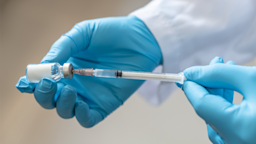
Herceptin (trastuzumab) is given by a healthcare provider as an injection into a vein (IV) or as an injection under the skin (subcutaneous, SQ).
When given IV, the dose depends on your body weight. Your healthcare provider will determine the appropriate dose for you each time you receive the medication.
HER2-positive, breast cancers
HER2-positive, metastatic stomach cancer: The typical dose is 8 mg/kg IV for the first injection, and then 6 mg/kg every 3 weeks thereafter.

Although certain medicines should not be used together at all, in other cases two different medicines may be used together even if an interaction might occur. In these cases, your doctor may want to change the dose, or other precautions may be necessary. When you are receiving this medicine, it is especially important that your healthcare professional know if you are taking any of the medicines listed below. The following interactions have been selected on the basis of their potential significance and are not necessarily all-inclusive.
Using this medicine with any of the following medicines is usually not recommended, but may be required in some cases. If both medicines are prescribed together, your doctor may change the dose or how often you use one or both of the medicines.
Using this medicine with any of the following medicines may cause an increased risk of certain side effects, but using both drugs may be the best treatment for you. If both medicines are prescribed together, your doctor may change the dose or how often you use one or both of the medicines.









Prescription savings
Stop paying too much for your prescriptions. Compare prices, get pharmacy coupons, and save up to 80%.Resources
About GoodRx
 Find expert answers to your health questions so you can make the best decisions for yourself and your family.
Health conditions
Medications & treatment
Access & affordability
Well-being
Medication discounts

In breast cancer, about 15% to 20% of tumors are HER2-positive. Similarly, in stomach cancer, about 20% (1 in 5) of tumors are HER2-positive. Having a tumor that’s HER2-positive means that your cancer cells have high levels of a protein called HER2 and can be treated with HER2-targeting medications like Herceptin. Before starting treatment, your provider will first test a sample of your tumor to see if your cancer is HER2-positive and if Herceptin is an option for you.
Herceptin is the IV form of trastuzumab that’s injected into the vein over 30 to 90 minutes. Herceptin Hylecta (trastuzumab / hyaluronidase) is the subcutaneous form of trastuzumab that’s given as an injection under the skin over 2 to 5 minutes. In addition to trastuzumab, it contains a protein called hyaluronidase, which helps your body absorb the medication better when injected under the skin. While Herceptin and Herceptin Hylecta are both used to treat HER2-positive breast cancers, Herceptin can also treat HER2-positive metastatic stomach cancer. Another difference is that the dose of Herceptin is based on your weight and is given either weekly or every 3 weeks, but Herceptin Hylecta is given as a flat dose every 3 weeks.
Possibly. It depends on how severe your reaction was. Your provider should discuss with you about the risks and benefits of using Herceptin again after you’ve had an infusion reaction. There are a few things your provider can do to try to prevent future reactions or to lower their severity. Your provider can give you antihistamines or corticosteroids before future infusions. They can also slow down how fast you receive the infusion. But if your reaction is severe, you might not be able to use Herceptin again. Talk to your provider if you’re concerned about receiving this treatment.
Herzuma, Kanjinti, Ogivri, Ontruzant, and Trazimera are known as biosimilars to Herceptin. A biosimilar is a biologic medication that has a comparable structure and works like the original biologic that was first approved by the FDA (Herceptin). Biosimilars are like generics, but they aren't exactly the same as the original medication. Biologics are made from living organisms such as animal cells or bacteria. Because of the complex way they're made, exact copies of the original medication can't be made.
Herzuma, Kanjinti, Ogivri, Ontruzant, and Trazimera are biosimilars to Herceptin. All six brands are used to treat HER2-positive breast and stomach cancer, and they all have similar side effects. They can be used as substitutes for one another. Biosimilars might be available at a lower cost than Herceptin. Your insurance may prefer to cover one brand over others.
There are no studies in humans to show the effects of this medication when breastfeeding. However, animal studies found Herceptin in the milk of lactating monkeys, so it's likely that this medication can be passed along in human breast milk. Because of this risk, you shouldn't breastfeed while receiving Herceptin unless your provider thinks the benefit is greater than the risk for both you and your baby. Talk with your provider if you have any questions about breastfeeding while receiving Herceptin.
