



5 Outdated High Blood Pressure Medications You Should Consider Upgrading
Some blood pressure medications may no longer be the best choice for helping your blood pressure. Here are five outdated medications, plus alternative options.
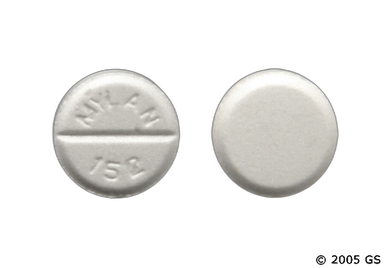
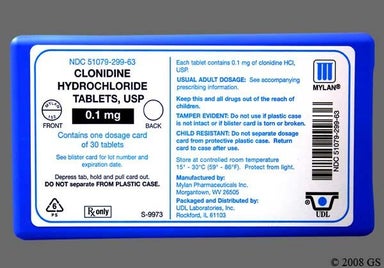
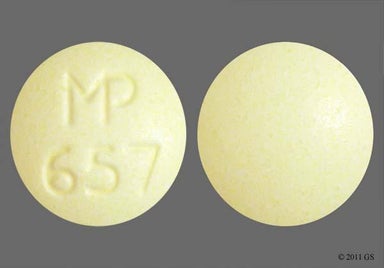
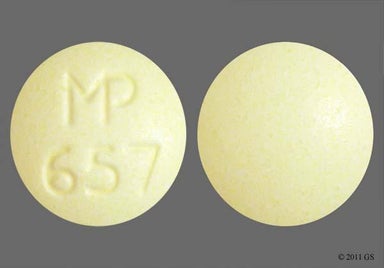
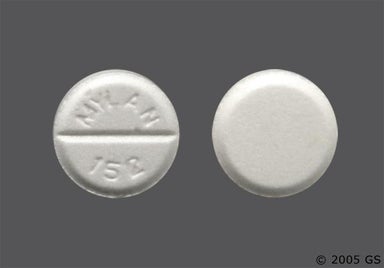
Clonidine is a prescription medication that can be used to treat high blood pressure. It comes in 3 forms: topical patch, immediate-release tablet, and extended-release tablet. Clonidine usually isn't a first-choice option to treat high blood pressure because it can cause "rebound hypertension" (sudden rise in blood pressure) when the medication is suddenly stopped. Clonidine also isn't recommended for older adults since it can raise the risk for falls.

Clonidine is a type of medication called alpha agonist. It works in the brain to lower the activity of stress hormones, such as norepinephrine. By doing so, clonidine slows down your heart rate and relaxes your blood vessels. This allows for blood to easily flow throughout the body and brings down blood pressure.
| Common Brands | Catapres-TTS, Nexiclon XR |
|---|---|
| Drug Class | Alpha agonist |
| Controlled Substance Classification | Not a controlled medication |
| Generic Status | Lower-cost generic available |
| Availability | Prescription only |

The following side effects may get better over time as your body gets used to the medication. Let your healthcare provider know immediately if you continue to experience these symptoms or if they worsen over time.
The following side effects are those reported with immediate-release clonidine:
Please note: Side effects for Nexiclon XR are similar to that of immediate-release clonidine
The following side effects are those reported with clonidine patch:
Contact your healthcare provider immediately if you experience any of the following.
Along with its needed effects, a medicine may cause some unwanted effects. Although not all of these side effects may occur, if they do occur they may need medical attention.
Check with your doctor immediately if any of the following side effects occur:
Rare
blistering, burning, crusting, dryness, or flaking of the skin
chest pain or discomfort
confusion as to time, place, or person
decreased urine output
dilated neck veins
drowsiness
fast, pounding, or irregular heartbeat or pulse
general feeling of discomfort or illness
holding false beliefs that cannot be changed by fact
hyperventilation
irregular breathing
irritability
itching, scaling, severe redness, soreness, or swelling of the skin
large, hive-like swelling on the face, eyelids, lips, tongue, throat, hands, legs, feet, or sex organs
lightheadedness, dizziness, or fainting
mental depression
paleness or cold feeling in the fingertips and toes
pounding, slow heartbeat
problems in urination or increase in the amount of urine
raised red swellings on the skin, lips, tongue, or in the throat
restlessness
seeing or hearing things that are not there
shaking
shortness of breath
skin rash
swelling of the face, fingers, feet, or lower legs
tightness in the chest
tingling or pain in the fingers or toes when exposed to cold
trouble with sleeping
troubled breathing
unusual excitement, nervousness, or restlessness
unusual tiredness or weakness
vivid dreams or nightmares
Get emergency help immediately if any of the following symptoms of overdose occur:
Symptoms of overdose
Dizziness (extreme) or faintness
feeling cold
pinpoint pupils of the eyes
unusual tiredness or weakness (extreme)
Some side effects may occur that usually do not need medical attention. These side effects may go away during treatment as your body adjusts to the medicine. Also, your health care professional may be able to tell you about ways to prevent or reduce some of these side effects. Check with your health care professional if any of the following side effects continue or are bothersome or if you have any questions about them:
More common
Other side effects not listed may also occur in some patients. If you notice any other effects, check with your healthcare professional.
Call your doctor for medical advice about side effects. You may report side effects to the FDA at 1-800-FDA-1088.




Clonidine can cause some serious health issues. This risk may be even higher for certain groups. If this worries you, talk to your doctor or pharmacist about other options.
Stopping clonidine too suddenly can lead to side effects, such as high blood pressure, nervousness, agitation, headache, and tremor. Sometimes these symptoms can be life-threatening. Your risk is higher if you're taking a higher dose of clonidine or if you're also taking beta-blockers, such as carvedilol (Coreg). Don't stop clonidine without first talking to your provider. If you need to stop this medication, your provider can help you lower your dose slowly over time.
If you or your child have stomach problems that result in frequent vomiting, talk with your provider. Vomiting can prevent your body from absorbing clonidine tablets, which puts you at higher risk of withdrawal symptoms.
Clonidine can cause you to be sleepy or dizzy, which can raise your risk for falls. The risk for these side effects is higher if you drink alcohol or if you take medications that make you drowsy, such as opioids, sleep medications, or certain antidepressants. Don't drive a car or operate machinery right after using this medication. If you experience symptoms such as lightheadedness, confusion, dizziness, or excessive drowsiness, get medical attention right away.
There have been reports that clonidine can cause heart beat or rhythm problems. The risk is higher if you're taking other medications that also slow heart rate (e.g., diltiazem (Cardizem), verapamil). Your provider might monitor your heart rate while you are taking clonidine with these medications to make sure they are safe for you. Talk to your provider if you frequently feel dizzy, tired, or run out of breath easily after using clonidine.
Let your provider know right away if you notice a skin reaction, such as rashes or blisters, after you apply the clonidine patch. Depending on how serious the reaction is, your provider might switch you to a different medication.
Make sure to remove your clonidine patch before getting a magnetic resonance imaging scan (MRI). Not doing so can result in skin burns.

 Carton
| Dosage | Quantity | Price as low as | Price per unit |
|---|---|---|---|
| 4 patches of 0.1mg per day | 1 carton | $34.09 | $34.09 |
| 4 patches of 0.2mg per day | 1 carton | $43.94 | $43.94 |
| 4 patches of 0.3mg per day | 1 carton | $51.66 | $51.66 |
Immediate-release tablets
Extended-release tablets (Nexiclon XR)
Patches (Catapres‑TTS)
Your dose might be different if you have kidney problems.

Although certain medicines should not be used together at all, in other cases two different medicines may be used together even if an interaction might occur. In these cases, your doctor may want to change the dose, or other precautions may be necessary. When you are taking this medicine, it is especially important that your healthcare professional know if you are taking any of the medicines listed below. The following interactions have been selected on the basis of their potential significance and are not necessarily all-inclusive.
Using this medicine with any of the following medicines is usually not recommended, but may be required in some cases. If both medicines are prescribed together, your doctor may change the dose or how often you use one or both of the medicines.
Using this medicine with any of the following medicines may cause an increased risk of certain side effects, but using both drugs may be the best treatment for you. If both medicines are prescribed together, your doctor may change the dose or how often you use one or both of the medicines.












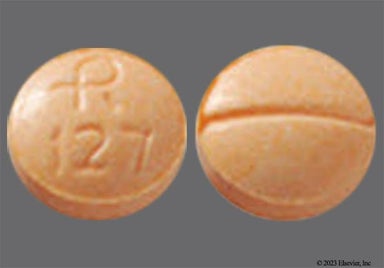
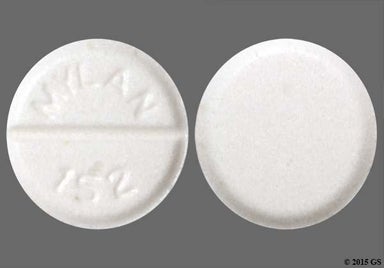
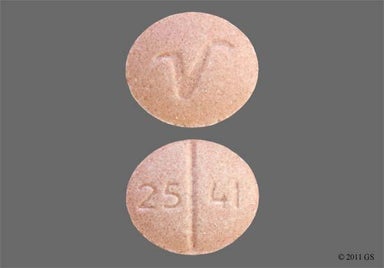
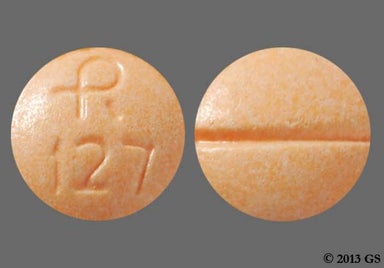
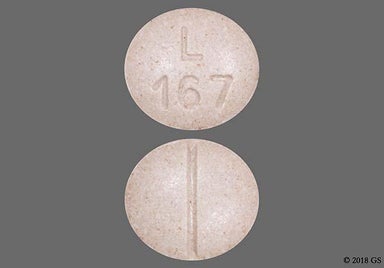
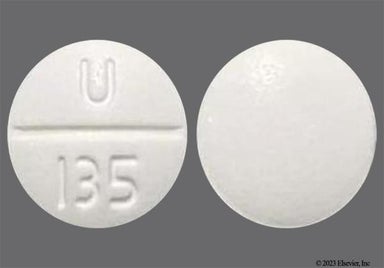
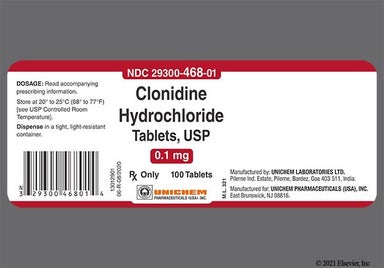
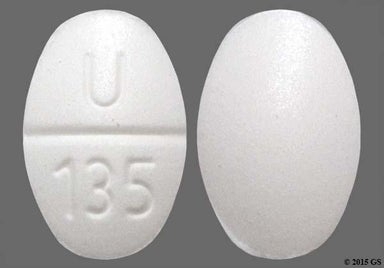
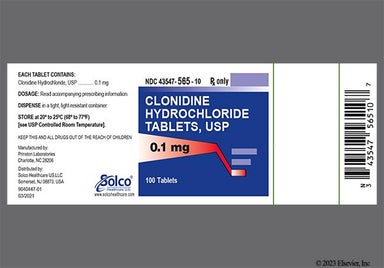
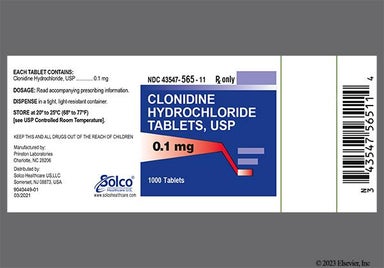
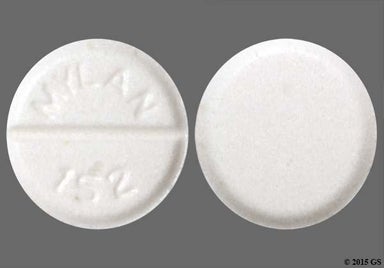
Prescription savings
Stop paying too much for your prescriptions. Compare prices, get pharmacy coupons, and save up to 80%. Find expert answers to your health questions so you can make the best decisions for yourself and your family.
Health conditions
Medications & treatment
Access & affordability
Medication discounts


You can apply Clonidine patches to clean, dry, and hairless areas of skin on your upper outer arm or chest. Don't apply the patch to areas where you just put on lotion or cream, or to skin that's bruised, red, irritated, or cut. If you've already used an area of skin, choose a different area for the next week so that your skin won't get as irritated.
Some people who took Clonidine reported dry eye as a side effect. Others have reported blurry vision or a burning sensation in the eyes. If you notice changes to your vision or other eye problems, let your provider know. They might recommend eye drops for your eyes or talk with you about other blood pressure medication options.
It's not clear whether Clonidine is safe to use in pregnancy or breastfeeding. Clonidine hasn’t been studied in pregnant people, but animal studies suggest that this medication might weaken bones in pregnant mothers. In addition, Clonidine can pass into breastmilk. If you’re pregnant or breastfeeding, talk to your provider so you can discuss the risks of taking Clonidine.
Nexiclon XR and Kapvay are both medications that contain extended-release clonidine. But they are not interchangeable, meaning you can't replace one with another. The main difference between the two medications is what each medication is used for. Nexiclon XR is approved to treat high blood pressure, while Kapvay is approved to treat attention-deficit hyperactivity disorder (ADHD). Please note that Nexiclon XR for blood pressure is only available as a brand-name product, while Kapvay for ADHD is available as both brand-name and generic tablets.
Clonidine is only FDA-approved to lower high blood pressure. But some studies show that it can help ease hot flashes and night sweats. If you have questions about how well Clonidine works for hot flashes, discuss with your provider.
