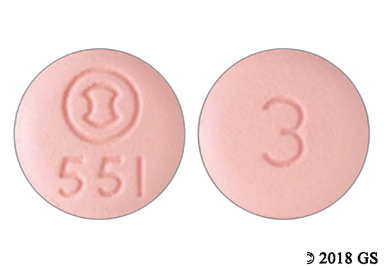
Mulpleta
Mulpleta (lusutrombopag) is used to raise the platelet count in adults with long-term liver problems scheduled to undergo a procedure. Although it's convenient because it's taken by mouth once per day for a total of 7 days, it's expensive since it's a brand medication only.


What is Mulpleta (lusutrombopag)?
What is Mulpleta (lusutrombopag) used for?
- Treatment of low platelets in adults with long-term liver disease scheduled to undergo a procedure
How Mulpleta (lusutrombopag) works
Mulpleta (lusutrombopag) is a thrombopoietin receptor agonist, meaning it acts like TPO. TPO is a natural hormone that tells your bone marrow to make more platelets. So Mulpleta (lusutrombopag) works by raising your platelets and helps to lower your risk for bleeding in preparation for a procedure.
Drug facts
| Common Brands | Mulpleta |
|---|---|
| Drug Class | Thrombopoietin receptor agonist |
| Controlled Substance Classification | Not a controlled medication |
| Generic Status | No lower-cost generic available |
| Availability | Prescription only |

Side effects of Mulpleta (lusutrombopag)
The following side effects may get better over time as your body gets used to the medication. Let your healthcare provider know immediately if you continue to experience these symptoms or if they worsen over time.
Common Side Effects
- Headache (5%)
Less Common Side Effects
- Stomach pain
- Tiredness
- Swelling in the arms and legs
- Nausea
Reported from clinical trials
Mulpleta (lusutrombopag) serious side effects
Contact your healthcare provider immediately if you experience any of the following.
- Blood clot in the liver: stomach pain, nausea, fever, vomiting

Get your GoodRx coupon

Pros and cons of Mulpleta (lusutrombopag)
Pros
- Taken once a day by mouth
- Only need to take for 7 days before the procedure
- Generally well tolerated with few side effects
Cons
- Only used in people with long-term liver problems undergoing a procedure
- Available as a brand name only, so it can be expensive
- Can't be used in children

Pharmacist tips for Mulpleta (lusutrombopag)

- Take Mulpleta (lusutrombopag) with or without food. If it hurts your stomach when you take it, try taking it with food to help.
- Try to take Mulpleta (lusutrombopag) at the same time each day. If you miss a dose, take it as soon as you remember on the same day, then return to your normal schedule the next day.
- You'll need to get your platelet count measured before starting Mulpleta (lusutrombopag) and at least 2 days before your procedure. Make sure to mark your calendar with your appointments to see your provider and get your blood drawn to avoid potentially delaying your procedure. Depending on what your platelet count is, you might need to postpone your procedure if your platelet count is too low.
- It's not recommended to breastfeed when you're taking Mulpleta (lusutrombopag). Wait at least 28 days after your last dose of Mulpleta (lusutrombopag) before breastfeeding due to the potential of side effects in your baby.

Risks and warnings for Mulpleta (lusutrombopag)
Mulpleta (lusutrombopag) can cause some serious health issues. This risk may be even higher for certain groups. If this worries you, talk to your doctor or pharmacist about other options.
Blood clots
- Risk factors: History of conditions that raise your risk for blood clots
Since Mulpleta (lusutrombopag) raises the number of platelets in your blood, there is a risk of clotting, including a condition called portal vein thrombosis. Portal vein thrombosis is a clot in the major vein of your liver. This is rare though, as it happened in about 1% of people taking Mulpleta (lusutrombopag) during clinical studies. Still, contact your provider as soon as possible if you experience stomach pain, nausea, or fever because these might be signs of portal vein thrombosis.

Mulpleta (lusutrombopag) dosage
 Dose pack
| Dosage | Quantity | Price as low as | Price per unit |
|---|---|---|---|
| 7 tablets of 3mg | 1 dose pack | $8,166.23 | $8,166.23 |

How much does Mulpleta (lusutrombopag) cost?
$8,166.23



