Key takeaways:
Fewer than 1% of people taking Mounjaro (tirzepatide) develop pancreatitis. But there’s no clear evidence that Mounjaro caused pancreatitis in these cases.
Pancreatitis is a serious medical condition. Get medical care right away if you have symptoms of pancreatitis while taking Mounjaro.
It’s not clear if Mounjaro is safe for people who’ve had pancreatitis in the past. Experts recommend stopping Mounjaro if you develop pancreatitis while taking it.
Save on related medications
Pancreatitis is a serious medical condition that causes severe abdominal pain, nausea, and vomiting. If not treated properly, pancreatitis can be life-threatening. That’s why reports of people developing pancreatitis while taking Mounjaro are getting so much attention.
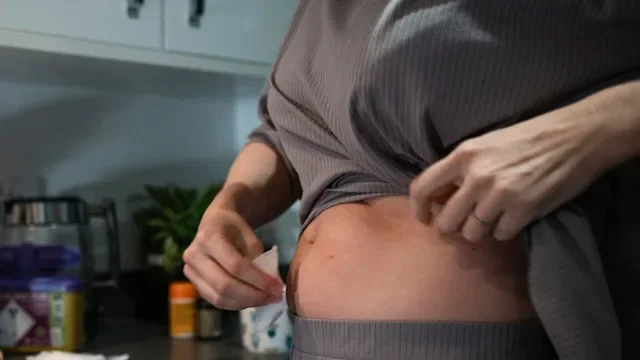
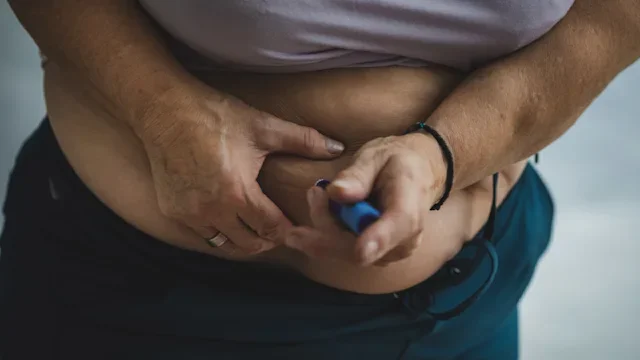
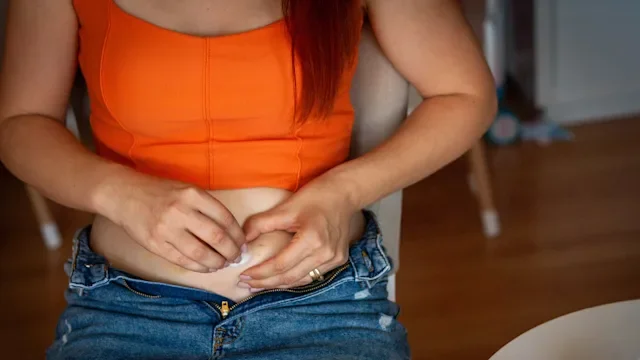
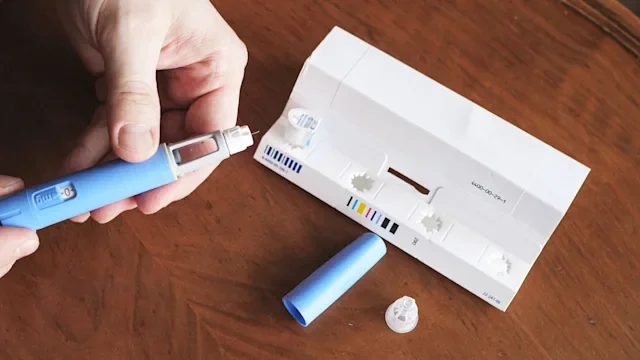
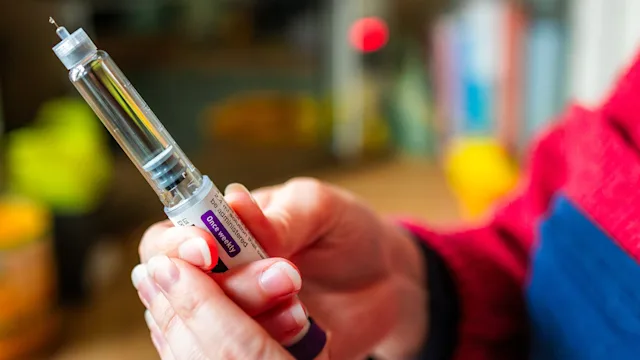
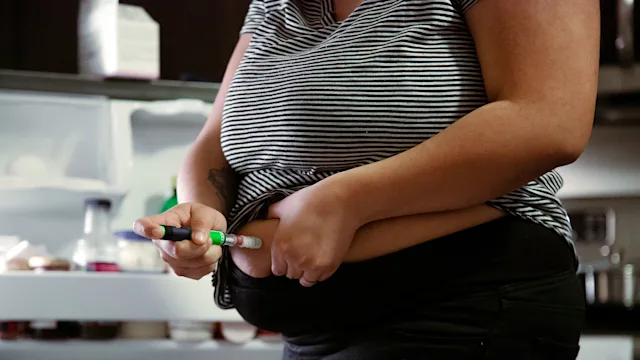
Mounjaro (tirzepatide) is an injectable medication that’s FDA approved to treat Type 2 diabetes. In clinical trials, Mounjaro was shown to cause gut-related side effects like nausea and vomiting. But the relationship between Mounjaro and pancreatitis is less clear.
Here’s what the science says about the link between Mounjaro and pancreatitis.
Search and compare options
Does Mounjaro cause pancreatitis?
There have been reports of people developing pancreatitis while taking Mounjaro. But right now, there’s no clear evidence that Mounjaro directly causes pancreatitis. The link is still being studied.
In clinical trials and real-world studies, about 0.4% of people taking Mounjaro developed pancreatitis, making it a very rare side effect.
To figure out if a medication is causing a rare side effect, it must be studied in a big group of people. This can help show whether a rare side effect was just a coincidence or truly related to the medication. Here’s what the evidence shows so far:
A review of 17 studies compared the rates of pancreatitis in people taking Mounjaro to people taking insulin, other GLP-1s, or placebo (no medication) for diabetes management. People taking Mounjaro were just as likely to develop pancreatitis as people taking placebo (no medication). This was true even for people taking higher Mounjaro doses.
A review of nine studies found that people with Type 2 diabetes who took Mounjaro, GLP-1 medications, insulin, or placebo had similar rates of pancreatitis.
A study looked at nearly 50,000 people with Type 2 diabetes and compared the rates of pancreatitis in those who took GLP-1 medications (including Mounjaro) to those who didn’t take GLP-1 medications. This study found that people taking GLP-1s were about three times less likely to develop severe pancreatitis.
A review of 20,000 side effect reports from people taking Mounjaro found that people taking the medication were slightly less likely to experience pancreatitis than people taking other forms of injectable medications to treat diabetes.
These studies suggest that people taking Mounjaro don’t develop pancreatitis more often than people receiving other diabetes treatments.
Why else might people taking Mounjaro develop pancreatitis?
In all the studies mentioned above, some people taking Mounjaro developed pancreatitis. So did people who took other diabetes medications. But so did people taking placebo (no medication).
That’s because pancreatitis can be triggered by many different things, not just medications.
People with Type 2 diabetes are three times more likely to develop pancreatitis than people without diabetes. That means people taking Mounjaro are already at high risk for developing pancreatitis. And the cause of their pancreatitis could have been due to diabetes and not Mounjaro.
Pancreatitis can also be triggered by:
Gallstones: Up to 7% of people with gallstones develop pancreatitis.
Alcohol use: About 10% of people with heavy alcohol use develop pancreatitis.
High triglycerides (a type of fat from your diet): About 10% of people with very high triglycerides develop pancreatitis.
Many people with Type 2 diabetes also have high triglycerides and gallstones. The studies above didn’t always take these medical conditions into account. So it’s possible that people in these studies developed pancreatitis due to one or more of these medical conditions and not Mounjaro.
Who is most at risk for medication-related pancreatitis?
Some things that can increase your risk of pancreatitis include:
A history of gallstones or other gallbladder problems
Having relatives who had pancreatitis
Taking other medications linked to causing pancreatitis, such as azathioprine, thiazides, furosemide, estrogens, and certain antibiotics
High triglyceride levels
Having a body mass index (BMI) of over 30
Talk with your healthcare team about these risk factors before starting Mounjaro. Your team can take these factors into consideration before deciding whether Mounjaro is right for you.
Should you take Mounjaro if you’ve had pancreatitis?
People with a history of pancreatitis weren’t included in Mounjaro clinical trials. Researchers don’t know if people have a higher risk for developing pancreatitis while taking Mounjaro if they’ve had pancreatitis in the past.
You may be able to take Mounjaro if you had pancreatitis in the past. Talk with your healthcare team about the risks and benefits of Mounjaro. Together, you can determine if taking Mounjaro is the right choice for you.
What should you do if you’re experiencing symptoms of pancreatitis?
If you develop symptoms of pancreatitis while taking Mounjaro, get medical care right away.
Pancreatitis symptoms include:
Pain in your upper abdomen that may radiate (travel) to your back
Nausea and vomiting
Fever
Not being able to keep down food or drink
Fast heart rate
Most of the time, people who have pancreatitis need to be treated in the hospital. If pancreatitis is severe, you may need to be treated in an intensive care unit (ICU).
Right now, it’s not clear whether it’s safe to restart Mounjaro if you’ve developed pancreatitis while taking the medication. You may need to switch to a different type of diabetes medication after you recover.
How to reduce the risk of pancreatitis when taking Mounjaro?
There are steps you can take to lower your risk of developing pancreatitis while taking Mounjaro, like:
Limiting or avoiding alcohol intake
Limiting fatty and fried foods
Eating more whole grains, fruits, and vegetables
Getting treatment for high triglycerides
Getting treatment for gallstones
Gallstones, high triglycerides, or heavy alcohol use are much more likely to trigger pancreatitis than Mounjaro. Getting treatment for these medical conditions can help you avoid pancreatitis, regardless of what type of diabetes treatment you take.
Frequently asked questions
People have developed pancreatitis while taking semaglutide (Ozempic, Wegovy). This medication is a glucagon-like peptide-1 (GLP-1) receptor agonist. There have been cases of people developing pancreatitis while taking GLP-1s like Trulicity (dulaglutide) and Victoza (liraglutide). But it’s not clear whether any of these medications directly cause pancreatitis. People may have developed pancreatitis in these cases because of diabetes and other medical conditions.
There have been reports of people developing pancreatitis while taking Zepbound. But these cases are rare. In clinical trials, only 0.2% of people developed pancreatitis. Also, these studies showed that people taking Zepbound were just as likely to develop pancreatitis as people taking placebo (no medication). This suggests that there was another trigger for people’s pancreatitis, like another medical condition or medication.
Pancreatitis is treated with pain medications, intravenous (IV) fluids, and other treatments to help support the body. Pancreatitis can lead to serious complications that may need surgery and other types of treatments.
Mounjaro’s most common side effects include nausea, vomiting, and bowel changes. Serious complications, like pancreatitis, are rare.
People have developed pancreatitis while taking semaglutide (Ozempic, Wegovy). This medication is a glucagon-like peptide-1 (GLP-1) receptor agonist. There have been cases of people developing pancreatitis while taking GLP-1s like Trulicity (dulaglutide) and Victoza (liraglutide). But it’s not clear whether any of these medications directly cause pancreatitis. People may have developed pancreatitis in these cases because of diabetes and other medical conditions.
There have been reports of people developing pancreatitis while taking Zepbound. But these cases are rare. In clinical trials, only 0.2% of people developed pancreatitis. Also, these studies showed that people taking Zepbound were just as likely to develop pancreatitis as people taking placebo (no medication). This suggests that there was another trigger for people’s pancreatitis, like another medical condition or medication.
Pancreatitis is treated with pain medications, intravenous (IV) fluids, and other treatments to help support the body. Pancreatitis can lead to serious complications that may need surgery and other types of treatments.
Mounjaro’s most common side effects include nausea, vomiting, and bowel changes. Serious complications, like pancreatitis, are rare.
The bottom line
Pancreatitis is a serious health problem in which the pancreas becomes inflamed. There have been reports of people developing pancreatitis while taking Mounjaro. But these cases are very rare. There’s no evidence that people taking Mounjaro are more likely to develop pancreatitis than people taking other diabetes medications. Contact your healthcare team right away if you develop pancreatitis symptoms while taking Mounjaro.

Why trust our experts?



References
Berglund, L., et al. (2012). Evaluation and treatment of hypertriglyceridemia: An Endocrine Society Clinical Practice Guideline. The Journal of Clinical Endocrinology & Metabolism.
Caruso, I., et al. (2024). The real-world safety profile of tirzepatide: pharmacovigilance analysis of the FDA Adverse Event Reporting System (FAERS) database. Journal of Endocrinological Investigation.
Eli Lilly and Company. (2022). Mounjaro (tirzepatide) Injection, for subcutaneous use [package insert].
Eli Lilly and Company. (2026). Mounjaro- tirzepatide injection, solution [package insert].
Eli Lilly and Company. (2025). What is the incidence of pancreatitis associated with Zepbound® (tirzepatide)?
Grennan, K., et al. (2025). Fatal, fulminant, necrotizing pancreatitis associated with recent tirzepatide initiation. JCEM Case Reports.
Kamrul-Hasan, A. B. M., et al. (2024). Pancreatic safety of tirzepatide and its effects on islet cell function: A systematic review and meta-analysis. Obesity Science & Practice.
Kraft, A., et al. (2022). Alcohol-related chronic pancreatitis. Pathology of the Pancreas.
Kundumadam, S., et al. (2020). Gallstone pancreatitis: general clinical approach and the role of endoscopic retrograde cholangiopancreatography. The Korean Journal of Internal Medicine.
Mando, N., et al. (2024). Acute pancreatitis caused by tirzepatide. Cureus.
Mishra, R., et al. (2023). Adverse events related to tirzepatide. Journal of the Endocrine Society.
Nassar, M., et al. (2024). Decreased risk of recurrent acute pancreatitis with semaglutide and tirzepatide in people with type 2 diabetes or obesity with a history of acute pancreatitis: A propensity matched global federated TriNetX database-based retrospective cohort study. Diabetes & Metabolic Syndrome.
National Health Service. (2022). Prevention: Acute pancreatitis.
National Institute of Diabetes and Digestive and Kidney Diseases. (2017). Symptoms & causes of pancreatitis. National Institutes of Health.
Nieto, L. M., et al. (2025). Glucagon-like peptide-1 receptor agonists use does not increase the risk for acute pancreatitis and is associated with lower complications in patients with type 2 diabetes who develop acute pancreatitis: A multicenter analysis. The American Journal of Gastroenterology.
Noel, R. A., et al. (2009). Increased risk of acute pancreatitis and biliary disease observed in patients with Type 2 diabetes: A retrospective cohort study. Diabetes Care.
Quinlan, J. D. (2014). Acute pancreatitis. American Family Physician.
Wang, C. F., et al. (2025). Acute pancreatitis. StatPearls.
Weiss, F. U., et al. (2019). Etiology and risk factors of acute and chronic pancreatitis. Visceral Medicine.
Weissman, S., et al. (2020). Ever-increasing diversity of drug-induced pancreatitis. World Journal of Gastroenterology.
Zeng, Q., et al. (2023). Safety issues of tirzepatide (pancreatitis and gallbladder or biliary disease) in type 2 diabetes and obesity: a systematic review and meta-analysis. Frontiers in Endocrinology.