montelukast
Montelukast, the generic for Singulair, is used to help control asthma over time and prevent breathing problems during exercise in both adults and children. It's also used to help relieve allergy symptoms. Montelukast (Singular) comes as tablets, chewable tablets, or oral granules and is usually taken by mouth once a day. Common side effects include upper respiratory infection and headache, and it has a boxed warning for serious mood and behavior changes.


What is Montelukast (Singular)?
What is Montelukast (Singular) used for?
- Long-term treatment of asthma - age 12 months and older
- Prevent breathing problems during exercise - age 6 years and older
- Relieve seasonal allergy symptoms - age 2 years and older
- Relieve year-round allergy symptoms - age 6 months and older
How Montelukast (Singular) works
Montelukast (Singular) is a leukotriene receptor antagonist. It blocks leukotrienes, chemicals your body makes during allergic reactions and asthma that can cause airway tightening and inflammation.
By blocking leukotrienes, montelukast (Singular) helps lower swelling in the airways and reduce symptoms like wheezing, coughing, and congestion.
Drug facts
More on Montelukast (Singular) essentials



Side effects of Montelukast (Singular)
The following side effects may get better over time as your body gets used to the medication. Let your healthcare provider know immediately if you continue to experience these symptoms or if they worsen over time.
Common Side Effects
- Upper respiratory infection
- Fever
- Headache
- Sore throat
- Cough
- Stomach pain
- Diarrhea
- Earache or ear infection
- Flu
- Runny nose
- Sinus infection
Less Common Side Effects
- Tiredness
- Teeth pain
- Dizziness
- Nasal congestion
- Rash
Montelukast (Singular) serious side effects
Contact your healthcare provider immediately if you experience any of the following.
- Mood and behavior changes: agitation, aggression, attention problems, bad or vivid dreams, depression, confusion, anxiety, irritability, hallucinations, memory problems, obsessive-compulsive symptoms, restlessness, sleep walking, stuttering, suicidal thoughts and behavior, tremor, trouble sleeping, uncontrolled muscle movements
More on Montelukast (Singular) side effects

The following Montelukast (Singular) side effects have also been reported
Along with its needed effects, a medicine may cause some unwanted effects. Although not all of these side effects may occur, if they do occur they may need medical attention.
Check with your doctor immediately if any of the following side effects occur:
More common
Body aches or pain
difficulty in breathing
dryness or soreness of the throat
headache
loss of voice
pain or tenderness around the eyes and cheekbones
pain, redness, or swelling in the ear
stomach pain
stuffy or runny nose
tender, swollen glands in neck
trouble in swallowing
unusual tiredness or weakness
voice changes
Rare
Pus in the urine
Incidence not known
Agitation
attempts at killing oneself
breathing problems
confusion about identity, place, and time
fast, irregular, pounding, or racing heartbeat or pulse
feeling sad or empty
hives or welts
indigestion
itching, puffiness, or swelling of the eyelids or around the eyes, face, lips, or tongue
lack of appetite
pains in the stomach, side, or abdomen, possibly moving to the back
redness of the skin
shaking or trembling of the hands or feet
trouble with concentrating
unable to sleep
unpleasant breath odor
vomiting of blood
yellow eyes or skin
Some side effects may occur that usually do not need medical attention. These side effects may go away during treatment as your body adjusts to the medicine. Also, your health care professional may be able to tell you about ways to prevent or reduce some of these side effects. Check with your health care professional if any of the following side effects continue or are bothersome or if you have any questions about them:
More common
Less common
Acid or sour stomach
belching
blurred vision
change in near or distance vision
dental pain
lack or loss of strength
skin rash, encrusted, scaly and oozing
stomach discomfort, upset, or pain
Incidence not known
Burning, crawling, itching, numbness, prickling, “pins and needles”, or tingling feelings
dreams that are unusual
increased tendency to bleed
large, flat, blue or purplish patches on the skin
muscle aching or cramping
sleepiness
swollen joints
Other side effects not listed may also occur in some patients. If you notice any other effects, check with your healthcare professional.
Call your doctor for medical advice about side effects. You may report side effects to the FDA at 1-800-FDA-1088.

Get your GoodRx coupon

Pros and cons of Montelukast (Singular)
Pros
- Only need to take once a day
- Helps prevent asthma symptoms and allergies
- Available in child‑friendly forms (chewable tablets, oral granules)
Cons
- Not for treating sudden asthma attacks
- Might cause serious mood or behavior changes
- Not always a first‑choice option for allergies

Pharmacist tips for Montelukast (Singular)

- Take montelukast (Singular) with or without food. Food doesn't affect how this medication works.
- If your child is using montelukast (Singular) granules, you can place them directly in their mouth. You can also mix them with one teaspoon of breast milk or formula, or a spoonful of applesauce, carrots, rice, or ice cream. Make sure the food or liquid is cold or at room temperature.
- If you miss a dose of montelukast (Singular), skip it and take your next dose at the regular time. Don't take two doses at once to make up for the missed dose, since this could lead to side effects.
- Don't stop taking montelukast (Singular) without speaking to your prescriber, even if your asthma or allergy symptoms feel better. This medication works over time to keep symptoms under control.
- Montelukast (Singular) isn't meant to treat sudden asthma attacks. Always keep a rescue inhaler nearby for asthma flare-ups or breathing problems during exercise.
- Call your prescriber if your asthma gets worse or if you need your rescue inhaler more often while taking montelukast (Singular). They might need to adjust your treatment.
- Montelukast (Singular) can rarely cause serious mood or behavior changes. Stop the medication and contact your prescriber right away if you notice unusual changes in behavior, thinking, or thoughts of self-harm.
- Let your child's prescriber know if they have phenylketonuria (PKU) before taking montelukast (Singular). The chewable tablets contain phenylalanine, which builds up in the body and can lead to serious problems if you have this condition.

Common questions about Montelukast (Singular)
You usually take montelukast (Singular) at night because asthma symptoms and airway swelling often get worse in the evening and early morning. Taking it at night helps the medication work when your body needs it most, including while you sleep. Still, it’s important to take the medication exactly as your prescriber tells you.
No, montelukast (Singular) isn't an antihistamine. Instead, it belongs to a class called leukotriene receptor antagonists. These medications work differently in the body to treat allergy and asthma symptoms.
Drowsiness isn't a common side effect of montelukast (Singular), though it doesn't mean it can't happen. Talk to your prescriber if you feel more tired than usual.
No, montelukast (Singular) isn't available over the counter. It requires a prescription from a healthcare professional.
In studies, montelukast (Singular) started to improve asthma symptoms within 24 hours of the first dose. But it doesn't work as fast as rescue inhalers and shouldn't be used to treat a sudden asthma attack. It’s meant to help control asthma symptoms over time.
It's generally safe to take montelukast (Singular) with antihistamines like cetirizine (Zyrtec). These medications are often used together to help control allergy or asthma symptoms. But you should always check with your prescriber first to make sure this combination is right for you.
Weight gain isn't a common side effect of montelukast (Singular). If you notice unexpected weight gain, talk with your prescriber about your concerns so they can help figure out the cause.
In general, you shouldn't stop taking montelukast (Singular) suddenly without talking to your prescriber first. Stopping it all at once can cause your asthma or allergy symptoms to come back or get worse. One exception is if you notice new or worsening mood or behavior changes. If this happens, stop taking the medication and contact your prescriber right away.

How to save using GoodRx




Risks and warnings for Montelukast (Singular)
Montelukast (Singular) can cause some serious health issues. This risk may be even higher for certain groups. If this worries you, talk to your doctor or pharmacist about other options.
Mood or behavior changes
 Some people might have rare but serious mood or behavior changes while taking montelukast (Singular). These can include irritability, memory problems, depression, anxiety, and suicidal thoughts, even if you’ve never had mental health problems before. If you or people close to you notice changes in your mood or behavior, stop taking the medication and contact your prescriber right away.
Not for asthma attacks
Montelukast (Singular) isn't meant to treat a sudden asthma attack. Keep a fast-acting rescue inhaler with you, especially if you often feel short of breath during exercise. Talk to your prescriber if your asthma symptoms don’t improve or start to get worse while taking this medication.
High white blood cell counts
- Risk factors: Possibly related to lowering the dose of corticosteroid medications
Although it's rare, some people with asthma have developed high eosinophil levels while taking montelukast (Singular). Eosinophils are a type of white blood cell that help your body respond to allergens. Tell your care team if you notice red patches, rashes, or skin color changes on your lower legs, numbness or tingling, or worsening asthma symptoms. These can be signs of high eosinophil levels that your prescriber should check.
Chewable tablets not for people with phenylketonuria (PKU)
- Risk factors: Phenylketonuria (PKU)
Let your child's prescriber know if they have phenylketonuria. Montelukast (Singular) chewable tablets contain phenylalanine, which can be harmful for people with PKU. This condition causes phenylalanine to build up in the body, and taking products with phenylalanine can lead to serious health problems.



Montelukast (Singular) dosage


Typical dosage for Montelukast (Singular)
Montelukast (Singular) comes in tablets, chewable tablets, and oral granules. Your dose depends on your age, the form of the medication, and what you're using it for.
-
Asthma
- Adults and teens 15 years and older: The typical dose is 10 mg tablet by mouth once a day in the evening.
- Children 6 to 14 years old: The typical dose is 5 mg chewable tablet by mouth once a day in the evening.
- Children 2 to 5 years old: The typical dose is 4 mg chewable tablet or oral granules by mouth once a day in the evening.
- Children 12 months to 23 months old: The typical dose is 4 mg oral granules by mouth once a day in the evening.
-
Breathing problems during exercise:
- Adults and teens 15 years and older: The typical dose is 10 mg tablet by mouth at least 2 hours before exercise.
- Children 6 to 14 years old: The typical dose is 5 mg chewable tablet by mouth at least 2 hours before exercise.
-
Allergies:
- Adults and teens 15 years and older: The typical dose is 10 mg tablet by mouth once a day.
- Children 6 to 14 years old: The typical dose is 5 mg chewable tablet by mouth once a day.
- Children 2 to 5 years old (seasonal and year-round allergies): The typical dose is 4 mg chewable tablet or oral granules by mouth once a day.
- Children 6 months to 23 months old (year-round allergies only): The typical dose is 4 mg oral granules by mouth once a day.
More on Montelukast (Singular) dosage


Interactions between Montelukast (Singular) and other drugs
More on Montelukast (Singular) interactions
Although certain medicines should not be used together at all, in other cases two different medicines may be used together even if an interaction might occur. In these cases, your doctor may want to change the dose, or other precautions may be necessary. When you are taking this medicine, it is especially important that your healthcare professional know if you are taking any of the medicines listed below. The following interactions have been selected on the basis of their potential significance and are not necessarily all-inclusive.
Using this medicine with any of the following medicines is usually not recommended, but may be required in some cases. If both medicines are prescribed together, your doctor may change the dose or how often you use one or both of the medicines.
- Dasabuvir
- Leflunomide
- Pixantrone
- Teriflunomide
Using this medicine with any of the following medicines may cause an increased risk of certain side effects, but using both drugs may be the best treatment for you. If both medicines are prescribed together, your doctor may change the dose or how often you use one or both of the medicines.

How much does Montelukast (Singular) cost?

What are alternatives to Montelukast (Singular)?

News about Montelukast (Singular)








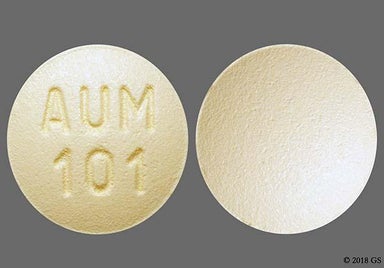
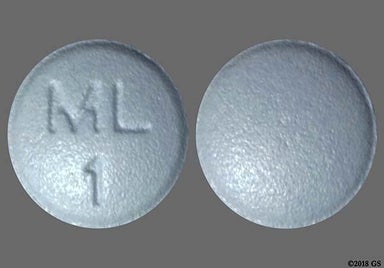
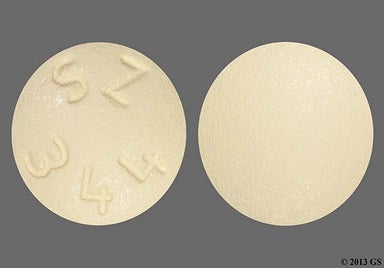
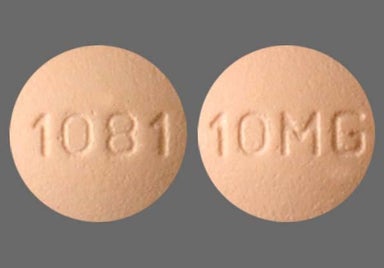
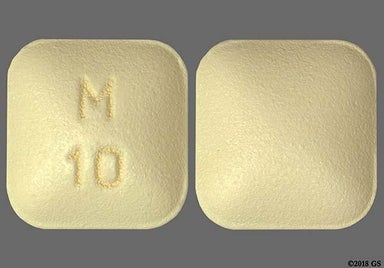
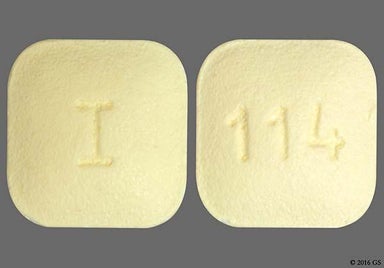
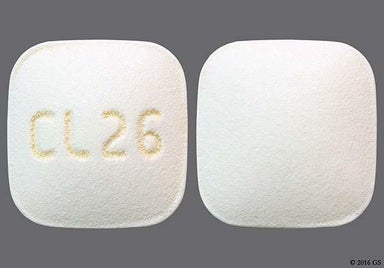
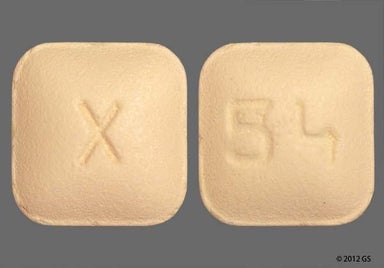
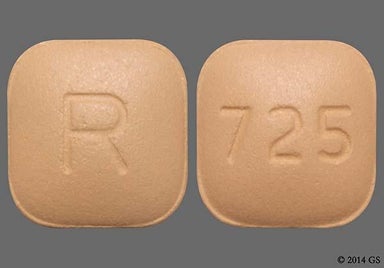
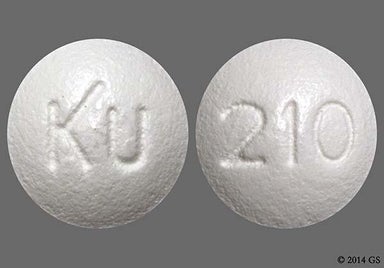
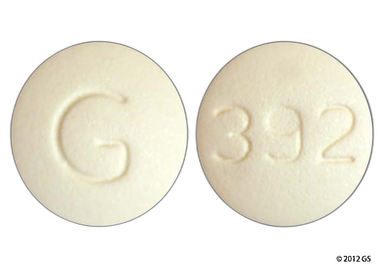
Montelukast (Singular) images