fosinopril / HCTZ
Fosinopril/hydrochlorothiazide is a combination medication that includes two first-choice options for treating high blood pressure. It's taken once per day, but it might be more expensive than some other alternatives.


What is Fosinopril/hydrochlorothiazide?
What is Fosinopril/hydrochlorothiazide used for?
- High blood pressure
How Fosinopril/hydrochlorothiazide works
Fosinopril/hydrochlorothiazide is a combination of two medications that work together to lower blood pressure.
- Fosinopril is an angiotensin-converting enzyme (ACE) inhibitor. It relaxes your blood vessels by blocking a protein (ACE) that normally squeezes your blood vessels.
- Hydrochlorothiazide is a thiazide diuretic (water pill). It works in your kidneys to remove extra water and certain electrolytes (like sodium and potassium). This helps lower blood pressure.
Drug facts
| Common Brands | Monopril HCT |
|---|---|
| Drug Class | ACE inhibitor / Diuretic (water pill) |
| Controlled Substance Classification | Not a controlled medication |
| Generic Status | Lower-cost generic available |
| Availability | Prescription only |

Side effects of Fosinopril/hydrochlorothiazide
The following side effects may get better over time as your body gets used to the medication. Let your healthcare provider know immediately if you continue to experience these symptoms or if they worsen over time.
Common Side Effects
- Headache (7%)
- Cough (6%)
- Tiredness (4%)
- Dizziness (3%)
- Upper respiratory infection (e.g., common cold; 2%)
- Muscle, bone, or joint pain (2%)
Less Common Side Effects
- Gout
- Dry mouth
- Weakness
- Swelling of the hands or ankles
- Flushing
- Nausea or vomiting
- Diarrhea
- Indigestion or heartburn
- Stomach pain
- Feeling the need to urinate more often
- Electrolyte disturbances
Fosinopril/hydrochlorothiazide serious side effects
Contact your healthcare provider immediately if you experience any of the following.
- Angioedema (severe swelling): swelling of the face, arms or legs, lips, tongue, or throat
- Allergic reactions: hives, rash, blisters, swelling of the lips or tongue, difficulty breathing, skin reddening
- Low blood pressure: dizziness, tiredness, feeling faint, confusion
- Kidney problems: urinating less often than usual
- Liver problems: yellowing of the skin or eyes, stomach pain, nausea, vomiting, confusion
The following Fosinopril/hydrochlorothiazide side effects have also been reported
Along with its needed effects, a medicine may cause some unwanted effects. Although not all of these side effects may occur, if they do occur they may need medical attention.
Check with your doctor immediately if any of the following side effects occur:
Less common
Blurred vision
chest pain or discomfort
chills
cold sweats
confusion
decreased urination
dizziness, faintness, or lightheadedness when getting up from a lying or sitting position suddenly
fainting
fast, slow, or irregular heartbeat
muscle cramps or pain
numbness, tingling, pain, or weakness in the hands or feet
rapid breathing
seizures
sunken eyes
sweating
thirst
trembling
unusual tiredness or weakness
weakness and heaviness of legs
wrinkled skin
Incidence not known
Persistent non-healing sore
pink growth
reddish patch or irritated area
shiny bump
white, yellow or waxy scar-like area
Some side effects may occur that usually do not need medical attention. These side effects may go away during treatment as your body adjusts to the medicine. Also, your health care professional may be able to tell you about ways to prevent or reduce some of these side effects. Check with your health care professional if any of the following side effects continue or are bothersome or if you have any questions about them:
More common
Less common
Body aches or pain
difficult breathing
ear congestion
headache
loss of voice
muscle or bone pain
runny or stuffy nose
Other side effects not listed may also occur in some patients. If you notice any other effects, check with your healthcare professional.
Call your doctor for medical advice about side effects. You may report side effects to the FDA at 1-800-FDA-1088.

Get your GoodRx coupon

Pros and cons of Fosinopril/hydrochlorothiazide
Pros
- Taken once per day
- More convenient to take one pill with two medications in it
- Combination of two medications that are both first-choice options for lowering blood pressure
Cons
- More difficult to customize the dose, since it's a combination of two medications
- Can make you urinate more often
- Can't be used in women who are pregnant
- Might not be the best choice for people with kidney problems

Pharmacist tips for Fosinopril/hydrochlorothiazide

- Don't take fosinopril/hydrochlorothiazide if you're allergic to sulfa-containing medications.
- It's recommended to check your blood pressure every day and record your readings in a journal so your provider can monitor your progress and make sure fosinopril/hydrochlorothiazide is working for you.
- Stand up slowly and carefully from a sitting or lying down position to avoid a sudden drop in your blood pressure and falling. If you feel dizzy, lightheaded, feeling like you're going to faint, tired, or confused while taking fosinopril/hydrochlorothiazide, your blood pressure might be too low. Make sure to hold onto something when standing and slowly sit or lie down if you can. Call your provider if this happens because your dose might need to be changed.
- Fosinopril/hydrochlorothiazide can cause a dry cough, which usually happens during the first few months of taking the medication. Once it happens, it's not something that will go away with time. If it bothers you too much, tell your provider so you can switch to another medication.
- Fosinopril/hydrochlorothiazide can affect the potassium levels in your blood. Don't take any potassium supplements or salt substitutes containing potassium with this medication before talking to your provider. Otherwise, this can raise your risk of high potassium levels, leading to heart rhythm problems.

Risks and warnings for Fosinopril/hydrochlorothiazide
Fosinopril/hydrochlorothiazide can cause some serious health issues. This risk may be even higher for certain groups. If this worries you, talk to your doctor or pharmacist about other options.
Harm to unborn babies
 Fosinopril/hydrochlorothiazide shouldn't be used in pregnant women because it can cause severe harm and even death to an unborn baby. If you find out that you're pregnant while taking this medication, stop fosinopril/hydrochlorothiazide and let your provider know as soon as possible. If you're pregnant before starting fosinopril/hydrochlorothiazide or thinking of becoming pregnant during treatment, contact your provider immediately so you can switch to another medication.
Angioedema (swelling)
- Risk factors: Black people
Angioedema, or swelling in the face, lips, tongue, throat, or even your stomach, can happen at any time when taking medications containing ACE inhibitors like fosinopril/hydrochlorothiazide. This risk is higher in Black people than in non-Black people. Swelling of the tongue or throat area can be potentially life-threatening, since it can make it difficult to breathe. Get medical attention immediately if you experience swelling in any of the areas mentioned above, stomach pain, or difficulty breathing. You'll have to stop taking fosinopril/hydrochlorothiazide if this happens.
Low blood pressure
- Risk factors: Dehydration | Having diarrhea or vomiting for a long time | Taking other medications that lower blood pressure | Heart failure | Dialysis
It's possible for fosinopril/hydrochlorothiazide to lower your blood pressure too much. Your risk is higher if you're dehydrated or have any conditions that cause you to become dehydrated, such as diarrhea, vomiting, heart failure, or if you're on dialysis. Make sure to stay well-hydrated. If you feel dizzy, lightheaded, faint, tired, or confused while taking fosinopril/hydrochlorothiazide, contact your provider right away.
Kidney or liver damage
- Risk factors: Heart failure | History of kidney or liver problems
Fosinopril/hydrochlorothiazide can affect your kidneys and cause them to not work as well. This can happen to anyone, but the effects can be more severe in people with heart failure or people who already have other kidney problems. Your provider will order lab tests every so often to make sure your kidneys are healthy and working properly. If your kidney function worsens while taking fosinopril/hydrochlorothiazide, you'll have to stop taking it. Typically, your kidneys will go back to normal after you stop taking the medication. Let your provider know if you're urinating less often than usual, as this could be a sign that your kidneys aren't working as well.
Rarely, fosinopril/hydrochlorothiazide can cause damage to your liver. If you notice yellowing of the skin or eyes, stomach pain, nausea, vomiting, or confusion, stop taking fosinopril/hydrochlorothiazide and contact your provider right away.
Electrolyte disturbances
Fosinopril/hydrochlorothiazide can affect the level of certain electrolytes in your body, including sodium, potassium, magnesium, calcium, and chloride. You might need bloodwork done regularly while taking this medication to make sure your electrolyte levels are in the normal range. Let your provider know if you experience fast heart beat, weakness, low energy, muscle pain or cramps, less urination than usual, nausea, or vomiting. These can be signs of electrolyte changes in your body.
Low blood cell counts
- Risk factors: Kidney problems | History of systemic lupus erythematosus (SLE) or scleroderma
Though rare, ACE inhibitors and thiazide diuretics can cause low blood cell counts. It's important to note that this effect hasn't been studied specifically in people taking fosinopril/hydrochlorothiazide. The risk is higher in people with kidney disease who also have systemic lupus erythematosus (SLE) or scleroderma. Your provider might regularly monitor your blood cell counts while you're taking fosinopril/hydrochlorothiazide.

Fosinopril/hydrochlorothiazide dosage


Interactions between Fosinopril/hydrochlorothiazide and other drugs
Although certain medicines should not be used together at all, in other cases two different medicines may be used together even if an interaction might occur. In these cases, your doctor may want to change the dose, or other precautions may be necessary. When you are taking this medicine, it is especially important that your healthcare professional know if you are taking any of the medicines listed below. The following interactions have been selected on the basis of their potential significance and are not necessarily all-inclusive.
Using this medicine with any of the following medicines is not recommended. Your doctor may decide not to treat you with this medication or change some of the other medicines you take.
- Aliskiren
- Dofetilide
- Sacubitril
Using this medicine with any of the following medicines is usually not recommended, but may be required in some cases. If both medicines are prescribed together, your doctor may change the dose or how often you use one or both of the medicines.
- Aceclofenac
- Acemetacin
- Acetyldigoxin
- Alteplase, Recombinant
- Amiloride
- Amphetamine
- Amtolmetin Guacil
- Arsenic Trioxide
- Aspirin
- Azathioprine
- Azilsartan
- Azilsartan Medoxomil
- Benzphetamine
- Bromfenac
- Bufexamac
- Candesartan Cilexetil
- Canrenoate
- Celecoxib
- Choline Salicylate
- Clonixin
- Deslanoside
- Desmopressin
- Dexibuprofen
- Dexketoprofen
- Dextroamphetamine
- Diclofenac
- Diflunisal
- Digitalis
- Digitoxin
- Digoxin
- Dipyrone
- Droperidol
- Droxicam
- Eplerenone
- Eprosartan
- Etodolac
- Etofenamate
- Etoricoxib
- Everolimus
- Felbinac
- Fenoprofen
- Fepradinol
- Feprazone
- Flecainide
- Floctafenine
- Flufenamic Acid
- Flurbiprofen
- Ibuprofen
- Indomethacin
- Irbesartan
- Ketanserin
- Ketoprofen
- Ketorolac
- Levomethadyl
- Lisdexamfetamine
- Lithium
- Lornoxicam
- Losartan
- Loxoprofen
- Lumiracoxib
- Meclofenamate
- Mefenamic Acid
- Meloxicam
- Mercaptopurine
- Methamphetamine
- Methotrexate
- Metildigoxin
- Morniflumate
- Nabumetone
- Naproxen
- Nepafenac
- Niflumic Acid
- Nimesulide
- Nimesulide Beta Cyclodextrin
- Olmesartan Medoxomil
- Ouabain
- Oxaprozin
- Oxyphenbutazone
- Parecoxib
- Phenylbutazone
- Piketoprofen
- Piroxicam
- Porfimer
- Potassium
- Potassium Phosphate
- Proglumetacin
- Propyphenazone
- Proquazone
- Proscillaridin
- Rofecoxib
- Salicylic Acid
- Salsalate
- Sirolimus
- Sodium Salicylate
- Sotalol
- Spironolactone
- Sulindac
- Telmisartan
- Tenoxicam
- Tiaprofenic Acid
- Tolfenamic Acid
- Tolmetin
- Triamterene
- Trimethoprim
- Valdecoxib
- Valsartan
Using this medicine with any of the following medicines may cause an increased risk of certain side effects, but using both drugs may be the best treatment for you. If both medicines are prescribed together, your doctor may change the dose or how often you use one or both of the medicines.
- Aminolevulinic Acid
- Azosemide
- Bepridil
- Bromfenac
- Bufexamac
- Bumetanide
- Bupivacaine
- Bupivacaine Liposome
- Capsaicin
- Carbamazepine
- Celecoxib
- Cholestyramine
- Choline Salicylate
- Clonixin
- Dexibuprofen
- Dexketoprofen
- Diclofenac
- Diflunisal
- Dipyrone
- Droxicam
- Ethacrynic Acid
- Etodolac
- Etofenamate
- Etoricoxib
- Felbinac
- Fenoprofen
- Fepradinol
- Feprazone
- Floctafenine
- Flufenamic Acid
- Flurbiprofen
- Furosemide
- Ginkgo
- Gold Sodium Thiomalate
- Gossypol
- Ibuprofen
- Indomethacin
- Ketoprofen
- Ketorolac
- Licorice
- Lornoxicam
- Loxoprofen
- Lumiracoxib
- Meclofenamate
- Mefenamic Acid
- Meloxicam
- Morniflumate
- Nabumetone
- Naproxen
- Nepafenac
- Nesiritide
- Niflumic Acid
- Nimesulide
- Nimesulide Beta Cyclodextrin
- Oxaprozin
- Oxyphenbutazone
- Parecoxib
- Phenylbutazone
- Piketoprofen
- Piretanide
- Piroxicam
- Proglumetacin
- Propionic Acid
- Propyphenazone
- Proquazone
- Rofecoxib
- Salicylic Acid
- Salsalate
- Sodium Salicylate
- Sulindac
- Tenoxicam
- Tiaprofenic Acid
- Tolfenamic Acid
- Tolmetin
- Topiramate
- Torsemide
- Valdecoxib

How much does Fosinopril/hydrochlorothiazide cost?
$38.96

Fosinopril/hydrochlorothiazide contraindications
Contraindications are specific health conditions or situations in which a person should not take a medication due to safety concerns. If you have any of the following conditions or if any of the following apply to you, let your healthcare provider know because Fosinopril/hydrochlorothiazide will not be safe for you to take.
- Anuric (don't produce urine)
- Sulfa allergy

What are alternatives to Fosinopril/hydrochlorothiazide?

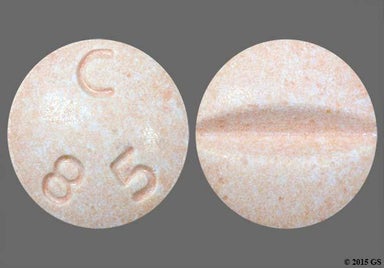
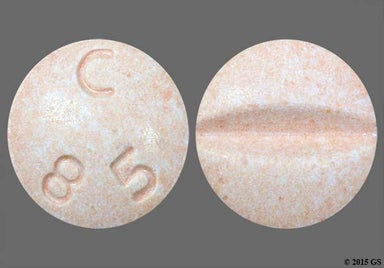
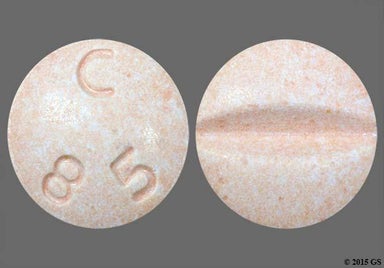
Fosinopril/hydrochlorothiazide images