mexiletine
Mexiletine belongs to a class of antiarrhythmic medications that's used to treat certain types of arrhythmias (irregular heartbeat). It's taken by mouth, typically 3 times a day. When you first start mexiletine, your provider will need to monitor your heart rhythm with an electrocardiogram (EKG) to find the right dose. Although the brand name for this medication, Mexitil, is discontinued, mexiletine is available as a lower-cost generic capsule. Common side effects of this medication include nausea, vomiting, and heartburn, so it's recommended to take it with food or antacids.


What is Mexiletine?
What is Mexiletine used for?
- Ventricular arrhythmias (irregular heart rhythm in your heart’s lower chambers)
How Mexiletine works
Mexiletine is an antiarrhythmic medication. It works by blocking certain electrical signals through the sodium channels in the heart. This helps to stabilize your heart rhythm when you're having an irregular heartbeat (arrhythmia).
Drug facts
| Common Brands | Mexitil |
|---|---|
| Drug Class | Antiarrhythmic |
| Controlled Substance Classification | Not a controlled medication |
| Generic Status | Lower-cost generic available |
| Availability | Prescription only |

Side effects of Mexiletine
The following side effects may get better over time as your body gets used to the medication. Let your healthcare provider know immediately if you continue to experience these symptoms or if they worsen over time.
Common Side Effects
- Nausea, vomiting, heartburn (40%)
- Dizziness (19-26%)
- Tremor (13%)
- Nervousness (13%)
Less Common Side Effects
- Lack of balance
- Trouble sleeping
- Blurry vision
- Headache
- Pounding chest
- Chest pain
Mexiletine serious side effects
Contact your healthcare provider immediately if you experience any of the following.
- Severe allergic or skin reaction: rash, blistering or peeling of skin, hives, painful sores in your mouth or around your eyes, fever, trouble breathing, swollen lymph nodes
- Low blood pressure or abnormal heart rhythm: chest pain or discomfort, weakness, dizziness, fainting
- Heart failure: shortness of breath, swelling of feet or ankles, sudden weight gain, dizziness
- Serious liver problems: nausea, vomiting, not feeling hungry, pain in the right side of the stomach, yellowing of the whites of the eyes or skin, dark-colored urine, light-colored stool
The following Mexiletine side effects have also been reported
Along with its needed effects, a medicine may cause some unwanted effects. Although not all of these side effects may occur, if they do occur they may need medical attention.
Check with your doctor as soon as possible if any of the following side effects occur:
Some side effects may occur that usually do not need medical attention. These side effects may go away during treatment as your body adjusts to the medicine. Also, your health care professional may be able to tell you about ways to prevent or reduce some of these side effects. Check with your health care professional if any of the following side effects continue or are bothersome or if you have any questions about them:
More common
Dizziness or lightheadedness
nervousness
trembling or shaking of the hands
unsteadiness or difficulty in walking
Less common
Blurred vision
confusion
headache
numbness or tingling of fingers and toes
ringing in the ears
skin rash
slurred speech
trouble in sleeping
unusual tiredness or weakness
Other side effects not listed may also occur in some patients. If you notice any other effects, check with your healthcare professional.
Call your doctor for medical advice about side effects. You may report side effects to the FDA at 1-800-FDA-1088.

Get your GoodRx coupon

Pros and cons of Mexiletine
Pros
- Might work well for people who didn’t see benefits with other antiarrhythmics
- Available as a lower-cost generic medication
- Safe to take for people who have kidney diseases
- Less risk of QT prolongation compared to other antiarrhythmics
Cons
- Can’t take while breastfeeding
- Needs to be taken multiple times a day
- Can cause nausea, vomiting, and heartburn
- Requires regular electrocardiogram (EKG) monitoring to make sure your heart rhythm is normal

Pharmacist tips for Mexiletine

- You might need to start mexiletine while in the hospital so that your provider can make sure that it's working well and is safe for you.
- Mexiletine can typically cause nausea, vomiting and heartburn. Take this medication with food or an antacid (e.g., calcium carbonate) to lower the risk of these side effects.
- Mexiletine can cause serious side effects, such as heart failure, other abnormal heart rhythms, and chest pain. It's important to get regular follow-up and tests done as recommended to catch side effects early on before they become serious.
- Mexiletine can interact with many medications. Let your provider or pharmacist know what medications you're taking, including over-the-counter products and supplements, before you start mexiletine. Talk with your provider or pharmacist if you have any questions about interactions with this medication.
- There isn't enough information to know if mexiletine is safe to take while you're pregnant. In addition, this medication has been found in breast milk and can potentially harm breastfed babies. Discuss the risks and benefits of taking mexiletine with your provider while you're pregnant or breastfeeding. Consider using alternative forms of feeding (e.g., stored breast milk or formula) for your baby during treatment with this medication.

Risks and warnings for Mexiletine
Mexiletine can cause some serious health issues. This risk may be even higher for certain groups. If this worries you, talk to your doctor or pharmacist about other options.
Greater risk of death or sudden heart stop
- Risk factor: Recent heart attack
 According to a clinical trial known as The Cardiac Arrhythmia Suppression Trial (CAST), people who had recent history of heart attack and took antiarrhythmic medications similar to mexiletine were at greater risk of sudden death or sudden heart stop (cardiac arrest). If you've had a heart attack within the last 2 years, this medication might not be safe for you. Talk to your provider about what is the best medication for your heart. Your provider will decide which medication is best for you based on your symptoms and electrocardiogram (EKG) results.
Liver problems
- Risk factors: Heart failure | Heart attack | Receiving blood transfusion | Not enough blood flow to the heart | First few weeks of treatment
Though rare, there have been reports of people who developed serious liver problems while taking mexiletine. Most of the time, it happened within the first few weeks of treatment and to people who also had other heart problems, such as heart failure or blood vessel problems. It's unclear whether the liver problems can be linked to mexiletine. To be safe, your provider might ask you to get blood tests done regularly while you take mexiletine so your provider can check your liver health. If you experience signs and symptoms of liver damage, such as feeling sleepy, upper right stomach pain, yellowing of the skin or eyes, or dark urine, please talk with your provider right away.
Severe skin and allergic reactions
In some rare cases, mexiletine can cause severe allergic reactions, such as drug reaction with eosinophilia and systemic symptoms (DRESS). These reactions can happen with or without a rash and can sometimes lead to organ failure or blood problems. Make sure to get medical help right away if you have signs like sudden rash, mouth sores, fever, chills, body aches, or swollen lymph nodes.
Worsening heart rhythm
Antiarrhythmic medications like mexiletine can sometimes worsen abnormal heart rhythms. This is because the medication slows down the electrical activity in certain parts of the heart, which can lead to life-threatening arrhythmias. As a result, your first dose is often given in the hospital, so that your provider can monitor your heart's electrical activity using an EKG. Make sure to follow up with your provider regularly after starting treatment so they can make sure this medication is safe for you. If you notice an abnormally slow or fast pulse, chest pain or discomfort, weakness, dizziness, or fainting while taking mexiletine, get medical help right away.
Low blood pressure and heart failure
- Risk factors: Existing low blood pressure | Severe congestive heart failure
If you already have heart failure or low blood pressure, taking mexiletine might make your condition worse. Make sure your provider knows your medical history so they can make sure it's safe for you to take mexiletine. Let your provider know right away if you have symptoms of low blood pressure (e.g, dizziness, lightheadedness, fainting) or heart failure (e.g., shortness of breath, swelling of feet or ankles). You might need to stop taking mexiletine.
Low blood cell counts
- Risk factors: Serious illness | Taking medications that lower blood cell counts
Though extremely rare, some people developed lower white blood cell (WBC) count and platelet count while taking mexiletine. This can put you at higher risk for infections and bleeds. Your blood cell counts typically return to the normal range within a month of stopping mexiletine. Let your provider know if you've symptoms of infection (e.g., fever, chills, diarrhea, sore throat) or bleeding (e.g., abnormal bruising)
Interactions with other medications
Some medications can interfere with how your body gets rid of mexiletine from your system. This can affect the amount of mexiletine in your body, how well it works, and the risk of side effects.
When taken with mexiletine, certain medications can lower the amount of mexiletine in your body and cause it to not work as well. Because of this effect, your provider might ask you to avoid taking mexiletine with certain medications, such as phenytoin (Dilantin) or rifampin (Rifadin).
Mexiletine can also affect how your body absorbs other medications. For example, mexiletine can cause your body to absorb more theophylline, a medication for certain lung problems (e.g., asthma). This can lead to more theophylline side effects, such as nausea, vomiting, and trouble sleeping. Make sure your provider and pharmacist have a full list of medications and supplements you're taking before starting mexiletine.

Mexiletine dosage


Interactions between Mexiletine and other drugs
Although certain medicines should not be used together at all, in other cases two different medicines may be used together even if an interaction might occur. In these cases, your doctor may want to change the dose, or other precautions may be necessary. When you are taking this medicine, it is especially important that your healthcare professional know if you are taking any of the medicines listed below. The following interactions have been selected on the basis of their potential significance and are not necessarily all-inclusive.
Using this medicine with any of the following medicines is not recommended. Your doctor may decide not to treat you with this medication or change some of the other medicines you take.
- Levomethadyl
- Vernakalant
Using this medicine with any of the following medicines is usually not recommended, but may be required in some cases. If both medicines are prescribed together, your doctor may change the dose or how often you use one or both of the medicines.
- Abametapir
- Amiodarone
- Anagrelide
- Bupropion
- Capmatinib
- Clozapine
- Cobicistat
- Dasabuvir
- Disopyramide
- Etravirine
- Lacosamide
- Lidocaine
- Ombitasvir
- Paritaprevir
- Paroxetine
- Pexidartinib
- Pirfenidone
- Pixantrone
- Prilocaine
- Quinidine
- Simeprevir
- Sotalol
- Theophylline
- Tizanidine
Using this medicine with any of the following medicines may cause an increased risk of certain side effects, but using both drugs may be the best treatment for you. If both medicines are prescribed together, your doctor may change the dose or how often you use one or both of the medicines.
- Fluvoxamine
- Rifapentine
- Ritonavir

How much does Mexiletine cost?
$34.54

Mexiletine contraindications
Contraindications are specific health conditions or situations in which a person should not take a medication due to safety concerns. If you have any of the following conditions or if any of the following apply to you, let your healthcare provider know because Mexiletine will not be safe for you to take.
- Shock due to heart damage (cardiogenic shock)
- History of second- or third-degree heart block

What are alternatives to Mexiletine?

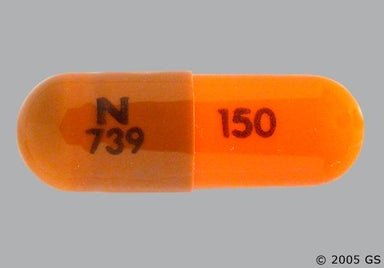
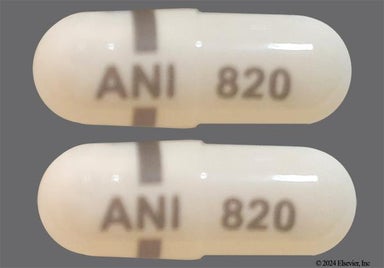
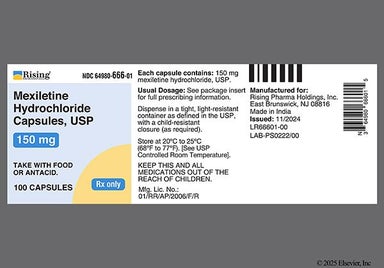
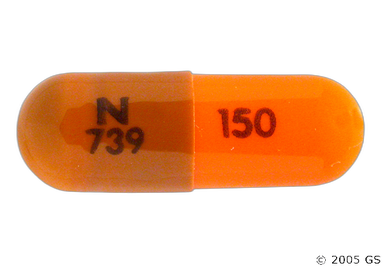
Mexiletine images