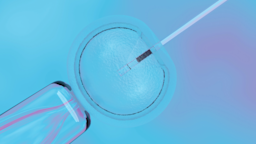
Menopur (menotropins) is a gonadotropin injection that's used during fertility treatments, like in vitro fertilization (IVF), to help people who are having trouble becoming pregnant. The dose can be different from person to person so it's important to follow the fertility specialist's instructions carefully. Typically, you'll give yourself a Menopur (menotropins) injection under the skin once a day starting on the second or third day of your IVF cycle. The medication helps your ovaries make mature eggs before you ovulate (release eggs from your ovaries) for your egg retrieval. But it can cause stomach pain or headache as a side effect.
Menopur (menotropins) is a gonadotropin medication that contains a mixture of two hormones that are found naturally in the body: follicle stimulating hormone (FSH) and luteinizing hormone (LH). These two hormones help your ovaries prepare mature eggs for ovulation. Using Menopur (menotropins) can make it easier for you to conceive a baby if you're having trouble getting pregnant.
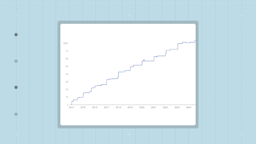
When does Menopur (menotropins) start working?Time passed since treatment started:
The following side effects may get better over time as your body gets used to the medication. Let your healthcare provider know immediately if you continue to experience these symptoms or if they worsen over time.
Pain or swelling where Menopur (menotropins) was injected
Stomach cramps
Stomach bloating
Menopur (menotropins) serious side effects
Contact your healthcare provider immediately if you experience any of the following.
Allergic reaction: trouble breathing; hives; swelling of your face, lips, tongue, or throat
Ovarian hyperstimulation syndrome: severe pelvic or stomach pain and swelling along with nausea, vomiting, sudden weight gain, diarrhea, trouble breathing, and trouble urinating
Lung problem or pulmonary embolism (blood clot in the lung): trouble breathing, worsening of any current lung problems
Heart attack: chest pain or tightness; pain that spreads up to your shoulder, arm, neck, or jaw
Stroke: sudden trouble talking, trouble walking, or numbness on one side of your body or face
Ectopic pregnancy: severe, unexplainable pelvic pain along with unusual vaginal bleeding
When do Menopur (menotropins) possible side effects begin and end?
Time passed since treatment started:
MMINUTES
HHOURS
DDAYS
WWEEKS
MMONTHS
Ovarian hyperstimulation syndrome (OHSS)
Pain and swelling at site
Seek immediate medical care if you experience this side effect.
The following Menopur (menotropins) side effects have also been reported
Along with its needed effects, a medicine may cause some unwanted effects. Although not all of these side effects may occur, if they do occur they may need medical attention.
Check with your doctor immediately if any of the following side effects occur:
Some side effects may occur that usually do not need medical attention. These side effects may go away during treatment as your body adjusts to the medicine. Also, your health care professional may be able to tell you about ways to prevent or reduce some of these side effects. Check with your health care professional if any of the following side effects continue or are bothersome or if you have any questions about them:
For females only
Less common
Enlargement of the breasts
headache
pain, swelling, or irritation at the injection site
After you stop using this medicine, it may still produce some side effects that need attention. During this period of time, check with your doctor immediately if you notice the following side effects:
Requires multiple office visits for blood tests and ultrasounds to check how well the medication is working and how safe it is
No lower-cost generic available
Pharmacist tips for Menopur (menotropins)
You can inject Menopur (menotropins) at home, but you'll first need to get trained by a healthcare professional to prepare and inject the medication properly. You don't need to go to the fertility center to get your injections done.
Inject Menopur (menotropins) under the skin and into the fatty tissue of your stomach once a day. Make sure to pick a spot that's 1 to 2 inches below the belly button and alternate between the left and right sides for each injection. This helps lower the risk for soreness and skin irritation.
Follow your fertility specialist's directions carefully on how much and for how many days you should inject Menopur (menotropins). This is different for every person. You'll typically inject Menopur (menotropins) until your eggs are mature enough for ovulation. You'll need to get ultrasounds done at the fertility center so your care team can check and tell you when to stop the medication. Usually, it's no more than 20 days of injections in a row.
Place the unmixed vials of Menopur (menotropins) at room temperature or in the refrigerator; don't freeze them. Once mixed or prepared, inject Menopur (menotropins) as soon as possible. You can't mix Menopur (menotropins) in advance. Throw away any unused medication in the vials after you've injected your dose. Don't save or reuse vials that have been mixed.
Be sure to use a new needle and syringe each time you prepare Menopur (menotropins) and give yourself injections. This helps lower the risk for infection.
You might need to use more than 1 vial of Menopur (menotropins) for your dose. The kit comes with a special cap to help you mix and draw up the medication into a single syringe without having to use multiple needles.
You can place a bag of ice on the area of skin where you injected Menopur (menotropins) for a minute if it becomes sore or red. Then, take off the bag of ice for 3 minutes. You can repeat these steps 3 or 4 times if you need to.
Throw away used syringes and needles in a protective sharps container. Your care team might provide you with this container, or you can purchase one at most local pharmacies. Don't throw needles and syringes away in the regular trash to lower the risk for needle-stick injuries.
Risks and warnings for Menopur (menotropins)
Menopur (menotropins) can cause some serious health issues. This risk may be even higher for certain groups. If this worries you, talk to your doctor or pharmacist about other options.
Swollen ovaries
Risk factors: High dose of Menopur (menotropins)
It's possible for Menopur (menotropins) to cause your ovaries to grow or swell, which can cause some stomach bloating or stomach pain. This swelling (and the symptoms it causes) typically goes down within 2 to 3 weeks. To help prevent swollen ovaries, your fertility specialist will prescribe the lowest dose of Menopur (menotropins) that works for you. Tell your care team right away if you feel any stomach pain after you inject the medication.
Your fertility specialist will check the size of your ovaries through ultrasound exams during the treatment process. If your ovaries are swollen on an ultrasound during treatment, you'll need to avoid having sex to prevent your ovaries from bursting. And, if your ovaries are swollen on an ultrasound on the last day of your Menopur (menotropins) injections, your prescriber will tell you not to inject your "trigger shot." This helps lower the risk of causing your ovaries to become even bigger and the risk for complications.
Ovarian hyperstimulation syndrome (OHSS)
Risk factors: Currently pregnant
Menopur (menotropins) can sometimes cause ovarian hyperstimulation syndrome (OHSS), a condition that happens when the ovaries swell up too much after you've finished your injections. It's very painful and can cause vomiting and diarrhea. It can also lead to more serious problems, including trouble breathing, damaged ovaries, and burst ovaries.
OHSS usually goes away on its own once your menstrual period starts. But it can also worsen if you successfully become pregnant. For this reason, your care team will follow up with you for at least 2 weeks after your "trigger shot" with hCG. Tell your fertility care team right away if you have extreme belly pain, nausea, vomiting, or diarrhea within 7 to 10 days after you finish your course of Menopur (menotropins). These can be signs of OHSS.
Lung problems and blood clots
Risk factors: Personal or family history of blood clots | Smoking | Ovarian hyperstimulation syndrome (OHSS) | Considered overweight
Some people who've used gonadotropins like Menopur (menotropins) have had life-threatening lung problems and blood clots. In particular, blood clots can sometimes lead to serious complications, like heart attack, stroke, or pulmonary embolism (PE, blood clot in the lung).
Be sure to discuss all your past and current medical conditions with your prescriber before you start Menopur (menotropins). This is because there are many things that can raise your risk for clots, such as smoking and a previous blood clot. Call 911 or get medical help right away if you have pain in your legs or arms, chest pain, sudden severe headaches, trouble breathing, or sudden changes in your speech or vision. These can be symptoms of a blood clot or one of its complications
Twisting of the ovaries
Risk factors: Ovarian hyperstimulation syndrome (OHSS) | Pregnancy | Previous stomach surgery | History of ovarian twisting | History of or current ovarian cysts | Polycystic ovary syndrome (PCOS)
Some people had ovarian twisting after treatment with Menopur (menotropins). Ovarian twisting is when the ovaries twist on the tissues that support them in the body. This can cause blood flow to the ovary to be cut off. Ovarian twisting can cause sudden, severe pain; nausea; and vomiting. Ovarian twisting might be related to having polycystic ovary syndrome (PCOS), stomach surgery in the past, or OHSS. Tell your fertility specialist before you start Menopur (menotropins) if you have a history of cysts on your ovaries or any surgeries you've had in the past.
Possible to become pregnant with more than one baby
All gonadotropin fertility treatments, including Menopur (menotropins), make it much more likely for you to conceive and deliver more than one baby (e.g., twins, triplets). This is because of how the medication works to prepare the body for ovulation. Please discuss the possibility of having more than one baby in a pregnancy with your partner before you start the treatment process with Menopur (menotropins).
Problems during pregnancy
Conceiving through the help of assisted reproductive technology, such as with in vitro fertilization (IVF), can make it more likely for you to have problems during pregnancy (if you become successfully pregnant) than if you were to conceive without medication. These problems can include birth defects, pregnancies outside the uterus (ectopic pregnancy), and miscarriage (pregnancy loss). Note that it isn't clear why these problems happen. Your fertility specialist might follow up with you more often to make sure you and your baby are healthy. Speak with your fertility care team if you have concerns.
Menopur (menotropins) dosage
The average cost for 20 vials of 75iu of Menopur (menotropins) is $5,047.37 with a free GoodRx coupon. This is 11.88% off the average retail price of $5,728.09.
Interactions between Menopur (menotropins) and other drugs
Menopur (menotropins) may interact with certain medications or supplements. Always let your doctor and pharmacist know about any other medications or supplements (including prescribed and over-the-counter medications, vitamins, and dietary or herbal supplements) that you are currently taking. The list below does not include all possible drug interactions with Menopur (menotropins). Please note that only the generic name of each medication is listed below.
Although certain medicines should not be used together at all, in other cases two different medicines may be used together even if an interaction might occur. In these cases, your doctor may want to change the dose, or other precautions may be necessary. Tell your healthcare professional if you are taking any other prescription or nonprescription (over-the-counter [OTC]) medicine.
How much does Menopur (menotropins) cost?
To access savings, use a GoodRx coupon and pay just a fraction of the retail price.
Contraindications are specific health conditions or situations in which a person should not take a medication due to safety concerns. If you have any of the following conditions or if any of the following apply to you, let your healthcare provider know because Menopur (menotropins) will not be safe for you to take.
GoodRx Health has strict sourcing policies and relies on primary sources such as medical organizations, governmental agencies, academic institutions, and peer-reviewed scientific journals. Learn more about how we ensure our content is accurate, thorough, and unbiased by reading our editorial guidelines.
Prescription savings
Stop paying too much for your prescriptions. Compare prices, get pharmacy coupons, and save up to 80%.
You can store vials of unmixed Menopur powder at room temperature or in the refrigerator. Once you've mixed and prepared your dose, inject the medication right away. Don't freeze this medication or store it for later use.
Always wash your hands with soap and water before you prepare and inject Menopur. After you've followed the mixing instructions to prepare your dose, wipe the area of skin you're going to inject the medication into with an alcohol swab before injecting. Then, gently pinch a fold of skin on your belly area (typically 1 to 2 inches below your belly button). Quickly insert the needle at a 90-degree angle into your skin. Push down on the plunger of the syringe until all of the medication is injected into your skin. Once you're done, let go of your skin and pull the needle out.
It's possible that your fertility specialist might tell you to use Menopur and Gonal-F (follitropin alfa) together to help you have a better chance of becoming pregnant. Both Menopur and Gonal-F (follitropin alfa) work to help your eggs mature so they're ready for ovulation. But the two medications differ in their active ingredients. Menopur contains two hormones involved in the reproductive system called follicle stimulating hormone (FSH) and luteinizing hormone (LH). But Gonal-F contains FSH only.
It's not clear what happens if you miss a dose of Menopur. Contact your fertility care team for instructions on what to do if you forget to take a dose of Menopur. Be sure that you don't double up the next dose to make up for the one you missed, though. In general, it's important to remember to take your doses every day for Menopur to work its best to help your eggs mature and to help with the fertility treatment process overall. Try setting a reminder on your phone to help you remember when to inject Menopur.
It's best to avoid alcohol while you're taking Menopur. Research shows that alcohol can affect your fertility. This can include lessening the number and quality of your eggs, which are important considerations when you're going through fertility treatments like IVF.
Menopur is a mixture of hormones that play a role in the reproductive system called follicle stimulating hormone (FSH) and luteinizing hormone (LH). This mixture of hormones is collected from the urine of people who've gone through menopause. Rest assured that the hormone mixture then goes through many purification steps in the lab before you inject it.
Menopur is FDA approved for use only in females as part of assisted fertility treatments, such as in vitro fertilization (IVF). But according to the American Association of Clinical Endocrinologists, treatment guidelines state that the medication can sometimes be used for males with low testosterone levels who have trouble making sperm. Gonadotropin medications like Menopur might help raise testosterone levels in the body and help the body make sperm. Note that this is an off-label use of Menopur. Speak with your healthcare professional or specialist to learn more about your options if you're male.