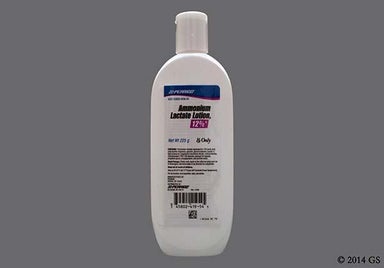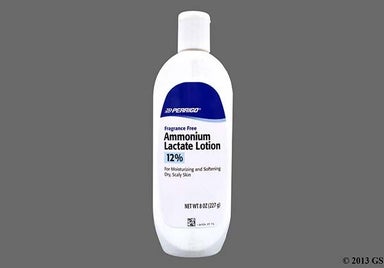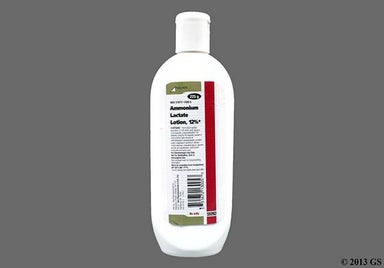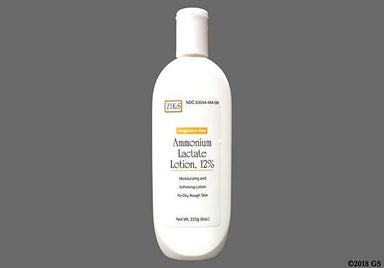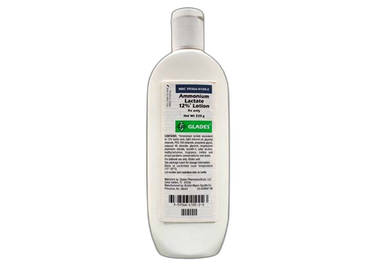
ammonium lactate
Ammonium lactate is a medication that's used to treat dry, scaly, and itchy skin. It comes in lotions and creams that you rub onto your skin twice daily. This medication has few side effects, including rash, burning, or stinging, and it can make it easier for you to get sunburns. Ammonium lactate is available as a lower-cost generic by prescription, but you can also find it over-the-counter as AmLactin brand-name products.


What is Ammonium lactate?
What is Ammonium lactate used for?
- Dry, itchy, or scaly skin
How Ammonium lactate works
Ammonium lactate is an alpha-hydroxy acid (AHA). Experts don't know exactly how ammonium lactate relieves dry and itchy skin. But it's thought to help boost healthy skin renewal through gentle skin exfoliation. It also appears to help keep the skin moisturized.
Drug facts
| Common Brands | AmLactin |
|---|---|
| Drug Class | Alpha-hydroxy acid |
| Controlled Substance Classification | Not a controlled medication |
| Generic Status | Lower-cost generic available |
| Availability | Prescription or over-the-counter |

Side effects of Ammonium lactate
The following side effects may get better over time as your body gets used to the medication. Let your healthcare provider know immediately if you continue to experience these symptoms or if they worsen over time.
Common Side Effects
- Rash, including skin redness or irritation (10-15%)
- Burning or stinging (10-15%)
Less Common Side Effects
- Itching
- Dry skin
Ammonium lactate serious side effects
Contact your healthcare provider immediately if you experience any of the following.
- Allergic reaction: hives, severe rash, swelling
The following Ammonium lactate side effects have also been reported
Side effects that you should report to your care team as soon as possible:
- Allergic reactions—skin rash, itching, hives, swelling of the face, lips, tongue, or throat
- Burning, itching, crusting, or peeling of treated skin
Side effects that usually do not require medical attention (report these to your care team if they continue or are bothersome):
- Change in skin color
- Mild skin irritation, redness, or dryness
- Skin reactions on sun-exposed areas

Get your GoodRx coupon

Pros and cons of Ammonium lactate
Pros
- Mildly exfoliates to help remove dry, flaky, or scaly skin
- Can use prescription versions for children as young as 2 years old
- Also available over-the-counter
Cons
- Can cause you to sunburn easier
- Might not be a good option to use on your face because of risk of stinging near sensitive areas and risk of sunburn
- Might take a few weeks of everyday use to notice improvement in skin texture

Pharmacist tips for Ammonium lactate

- Wash your hands before and after applying ammonium lactate. If you're using the lotion version of this medication, shake the bottle well before each time you apply it onto your skin.
- You might feel stinging or burning after you apply ammonium lactate to your skin, but it should go away after a while. This is more likely to happen if you use the medication on skin that's cut, scraped, or freshly shaven. Talk to your provider if these side effects become intolerable.
- Be careful if you apply ammonium lactate onto your face. Avoid getting the medication near or in your eyes, lips, mouth, or nose because doing so can cause irritation.
- Ammonium lactate can make your skin more sensitive to the sun, which means you might sunburn more easily. This can happen even during the winter and on overcast days. Make sure to avoid sun exposure to the areas where you applied the medication, wear protective clothing and a wide-brimmed hat, and use a moisturizing sunscreen with an SPF of at least 30 while you're using ammonium lactate.
- Ammonium lactate works best when you use it every day. Let your provider know if you notice that your skin condition hasn't improved or has worsened after a few weeks of using this medication. You might need a different medication to help with your skin.
- Other things you can do to help with dry skin while you're using ammonium lactate include staying hydrated and avoiding hot water and harsh skin products (e.g., soaps, hand sanitizers). Ask your pharmacist for recommendations on non-irritating, mild cleansers to use.

Risks and warnings for Ammonium lactate
Ammonium lactate can cause some serious health issues. This risk may be even higher for certain groups. If this worries you, talk to your doctor or pharmacist about other options.
Sunburn
Ammonium lactate can make your skin more sensitive to sunlight, which can make it easier for you to get sunburns. Try to avoid sun exposure to the areas of skin where you applied ammonium lactate. Make sure to wear protective clothing and use a sunscreen with an SPF of at least 30 when you go outside, even on overcast days and during the winter.
For use on skin only
Ammonium lactate is intended to be used on the skin only. Keep it out of your mouth, nose, eyes, and genitals. Rinse well with water if you accidentally get the medication in any of these areas.

Ammonium lactate dosage


How much does Ammonium lactate cost?
$16.28

What are alternatives to Ammonium lactate?

Ammonium lactate images