Key takeaways:
Kisqali (ribociclib) is an FDA-approved medication that treats certain types of breast cancer. It comes as an oral tablet.
Kisqali’s cost without insurance can exceed $19,000 per month based on the manufacturer’s list price. Retail prices vary depending on the pharmacy, dosage, and other factors. There’s no generic version of Kisqali.
Manufacturer savings programs can help lower the cost of Kisqali if you qualify. A copay savings card is available for people with commercial insurance. A patient assistance program can help those without coverage or with limited income.
Save on related medications
There are more treatment options than ever for hormone receptor-positive, HER2 (human epidermal growth factor receptor 2)-negative breast cancer. Kisqali (ribociclib) is one of them, and it’s often taken alongside hormone therapy. Kisqali plays an important role in long-term breast cancer treatment for many people.
Paying for Kisqali without insurance may seem challenging at first. But there are more ways to save than you might expect. Many people are able to lower their costs using a combination of available resources.
Here’s how to find Kisqali savings and get the medication you need at a price that works for you.
How much does Kisqali cost without insurance?
As of February 2025, Kisqali’s manufacturer list price is over $15,200 for a 28-day supply of the 400 mg dose. The list price is over $19,000 for the 600 mg dose.
But this isn’t what most people actually pay. A medication’s list price is slightly different from its average retail price. Pharmacy and wholesaler markups, among other factors, can affect how much you’ll pay. And if you have prescription coverage or qualify for savings programs, your out-of-pocket cost may be much lower.
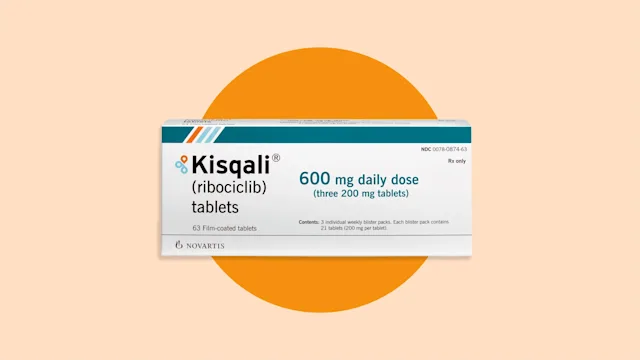
Context: Kisqali is supplied as 200 mg tablets. For early breast cancer, people usually take 2 tablets (400 mg) once a day for 21 days, followed by a 7-day break. For advanced or metastatic breast cancer, the schedule is the same, but it’s more common to take 3 tablets (600 mg) at a time.
What factors affect the cost of Kisqali?
As with all medications, what you pay for Kisqali can vary. Several factors can influence your final price at the pharmacy.
Dosage and quantity
Your prescribed Kisqali dosage can make a notable difference in cost. All Kisqali tablets come in the same strength (200 mg), but some people take 2 tablets daily while others take 3. Higher daily dosages and larger quantities usually mean higher monthly costs.
It’s also common for cancer specialists to lower the dose if side effects occur. These dose reductions are done stepwise based on how well you tolerate the medication. (For example, going from 600 mg to 400 mg, then to 200 mg if needed.) A lower dose may reduce the number of tablets you need and potentially your monthly cost.
Brand vs. generic availability
Kisqali is available only as a brand-name medication. There isn’t a generic version, so it tends to be more expensive than options with an available generic. A Kisqali generic likely won’t be available for several years.
In general, brand-name medications cost more than generics because they don’t have lower-cost alternatives competing on price. They also tend to be more expensive because of the time and money it takes to research, develop, and test new treatments before they become available.
Location
Where you live in the U.S. can affect how much you pay for medications. Medication prices can vary by region because of differences in pharmacy pricing and local market factors. Even within the same city, prices may not be the same everywhere.
Pharmacy
Kisqali is usually dispensed through specialty pharmacies rather than a retail pharmacy. These pharmacies focus on high-cost or complex medications. They often coordinate delivery, insurance support, and patient assistance services.
Novartis, Kisqali’s manufacturer, maintains a specialty pharmacy network for Kisqali. Most prescriptions are filled through one of these in-network providers. Because of this setup, your options for where to fill Kisqali may be more limited, and pricing may depend on the specialty pharmacy your prescription is sent to.
Insurance coverage
Whether you have insurance — and what your plan covers — plays a big role in your out-of-pocket cost. Some plans may cover Kisqali outright, while others may require prior authorization or step therapy. Prior authorization means your prescriber needs to provide information to your insurer before they’ll cover the medication. Step therapy requires you to try one or more lower-cost treatments first before moving to Kisqali.
If you don’t have coverage, you’ll likely pay the full cash price unless you qualify for a savings program.
What to do if Kisqali isn’t covered by your insurance
If your insurance doesn’t cover Kisqali, consider these options:
See if you qualify for Kisqali’s copay savings card or patient assistance program (discussed below).
Request a formulary exception from your insurance company. If your request is denied, you have the right to appeal the decision to seek coverage.
During open enrollment, compare different health insurance plans. Try to find one that provides better coverage for what you need.
Ask your prescriber about lower-cost alternatives
If Kisqali isn’t an option because of financial constraints, your cancer specialist may recommend a different medication in the same class. Similar options, such as Ibrance (palbociclib) and Verzenio (abemaciclib), are commonly used to treat the same types of breast cancer. These medications work in a similar way, but their costs and insurance coverage can vary.
Other treatments may be available as well. Breast cancer care is highly individualized, so your cancer care team can help you weigh the benefits, risks, and costs of each option to find the best fit for your treatment plan.
Ways to save on Kisqali
Kisqali can cost thousands of dollars if you don’t have insurance. But there are ways to lower your out-of-pocket costs with and without insurance. Here are four ways you could save.
1. See if you qualify for a copay savings card
Kisqali’s Co-Pay Plus program can significantly lower out-of-pocket costs for people with commercial insurance. Eligible enrollees can pay as little as $0 per prescription (up to the program’s annual maximum).
To qualify for Kisqali’s copay savings card, you should:
Have commercial insurance that covers Kisqali
Live in the U.S. (including Puerto Rico)
Have a valid Kisqali prescription for an FDA-approved use
Once you activate the card, you can use it each month at participating pharmacies. You can sign up online, call 1-866-433-8000, or ask your cancer care team or specialty pharmacy to help you enroll.
You aren’t eligible for this option if you are uninsured or receive benefits through Medicare, Medicaid, Tricare, Veterans Affairs, or another government-funded program.
2. Check if you’re eligible for a patient assistance program
If you don’t qualify for the copay card or can’t afford Kisqali, you may be able to receive the medication at no cost through the manufacturer’s patient assistance program, the Novartis Patient Assistance Foundation.
This program is designed for people who are uninsured or underinsured and can’t afford their medication. To qualify, you’ll need to meet certain income restrictions, live in the U.S. or a U.S. territory, and have a valid prescription for an approved use. You’ll also be asked to provide proof of income and insurance details (if you have coverage).
If you meet the initial eligibility criteria, your cancer care team can help you complete the application. If you’re approved, Kisqali is usually shipped to you through the program’s designated mail-order pharmacy. Call 1-800-277-2254 for more information.
Good to know: Independent patient assistance programs may also be able to help. Many of them offer assistance for breast cancer medications, including Kisqali. Examples include the PAN Foundation and Komen Financial Assistance Program.
3. Ask about 2- to 3-month supplies
Kisqali comes in 28-day blister packs, with each pack designed for a specific daily dose (600 mg, 400 mg, or 200 mg). Getting a 2- or 3-month supply at once may help lower your monthly cost and make it easier to stay on track with treatment.
Your cancer care team or specialty pharmacy can help you determine whether your insurance allows larger-quantity fills and whether this option makes sense for your treatment plan.
4. Tap into your HSA, FSA, or HRA
If you have a health savings account (HSA), flexible spending account (FSA), or health reimbursement arrangement (HRA), you can use those tax-free dollars to cover the cost of Kisqali.
FSA funds are valid for a limited time. So you should use any FSA funds you have by the end of the plan year, when they expire. HSA funds work differently — they roll over each year and can be used anytime. HRA funds may or may not roll over, depending on the plan.
The bottom line
Kisqali (ribociclib) is a prescription medication that treats specific forms of breast cancer. Without insurance, a 28-day supply can cost more than $19,000; a generic isn’t available. Manufacturer savings and patient assistance programs can significantly reduce your out-of-pocket costs. Reviewing your insurance benefits and available support options can help ensure you have access to the breast cancer treatments you need.

Why trust our experts?


References
Kisqali. (n.d.). Novartis Patient Support. Novartis.
Kisqali. (n.d.). Sign up for Novartis Patient Support. Novartis.
Kisqali. (2025). Specialty pharmacy network update. Novartis
Novartis. (n.d.). Novartis Patient Assistance Foundation.
Novartis. (2025). Kisqali- ribociclib tablet, film coated [package insert]. DailyMed.
Novartis Patient Support. (2025). $0 Co-Pay Plus offer.
Patient Advocate Foundation. (n.d.). Breast cancer.
Pharsight. (n.d.). Kisqali patent expiration.
Susan G. Komen. (n.d.). Komen financial assistance program.