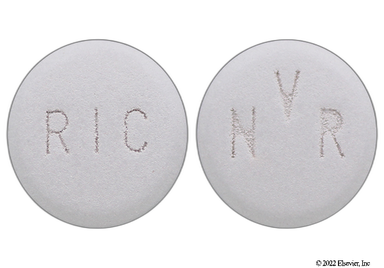
Kisqali Femara Co-Pack
Kisqali Femara Co-Pack is a combination medication used to treat certain types of breast cancer, specifically hormone receptor–positive, human epidermal growth factor 2-negative (HR+, HER2-) breast cancer. It contains two medications: Kisqali (ribociclib), a CDK4/6 inhibitor, and Femara (letrozole), an aromatase inhibitor. You take Kisqali once a day for 21 days, then take 7 days off, in a 28-day cycle. Femara is taken once a day with no breaks. Common side effects include feeling tired, nausea, and low white blood cell counts, which can make it easier to get infections.


What is Kisqali Femara Co-Pack?
What is Kisqali Femara Co-Pack used for?
- Early breast cancer (HR+, HER2-) in adults at high risk of the cancer coming back
- Advanced or metastatic breast cancer (HR+, HER2-) as the first hormone-based treatment
How Kisqali Femara Co-Pack works
Kisqali Femara Co-Pack is a combination of two medications that work to treat breast cancer:
-
Kisqali (ribociclib) is a cyclin-dependent kinase 4 and 6 (CDK 4/6) inhibitor. It blocks two proteins — CDK4 and CDK6 — that help cells divide and grow. By stopping these proteins, the medication slows down or stops the growth of cancer cells.
-
Femara (letrozole) is an aromatase inhibitor. It blocks a protein called aromatase, which your body uses to make estrogen. By blocking this enzyme, the medication lowers estrogen levels, which can help slow the growth of breast cancer that depends on estrogen to grow.
Drug facts
| Common Brands | Kisqali Femara Co-Pack |
|---|---|
| Drug Class | Cyclin-dependent kinase (CDK) inhibitor / Aromatase inhibitor |
| Controlled Substance Classification | Not a controlled medication |
| Generic Status | No lower-cost generic available |
| Availability | Prescription only |

Side effects of Kisqali Femara Co-Pack
The following side effects may get better over time as your body gets used to the medication. Let your healthcare provider know immediately if you continue to experience these symptoms or if they worsen over time.
Common Side Effects
Early breast cancer
- Lower white blood cell counts (up to 97%)
- Lower red blood cell counts (47%)
- Higher liver enzymes (up to 45%)
- Infections (37%)
- Higher creatinine levels (33%)
- Lower platelets (28%)
- Headache (23%)
- Nausea (23%)
- Tiredness (22%)
Advanced or metastatic breast cancer
- Lower white blood cell counts (up to 94%)
- Lower red blood cell counts (72%)
- Higher liver enzymes (up to 53%)
- Infections (46%)
- Nausea (46%)
- Tiredness (36%)
- Lower platelets (34%)
- Diarrhea (33%)
- Headache (29%)
- Hair loss (29%)
- Vomiting (29%)
- Back pain (25%)
- Constipation (25%)
- Cough (24%)
- Rash (22%)
- Higher creatinine levels (20%)
- Stomach pain (20%)
Less Common Side Effects
Early breast cancer
- Stomach pain
- Feeling weak
- Fever
- Hair loss
- Cough
- Rash
- Dizziness
- Vomiting
- Swelling in the arms and legs
- Itchiness
- Shortness of breath
- Mouth sores
Advanced or metastatic breast cancer
- Mouth sores
- Stomach pain
- Fever
- Swelling in the arms and legs
- Itchiness
- Trouble sleeping
- Reduced appetite
- Shortness of breath
- Urinary tract infection (UTI)
Kisqali Femara Co-Pack serious side effects
Contact your healthcare provider immediately if you experience any of the following.
- Lung problems: cough, trouble breathing, shortness of breath, chest pain
- Severe skin reactions: severe rash, skin peeling, skin burning, blisters, flu-like symptoms, fever
- Heart rhythm problems: dizziness, fainting, fast or irregular heartbeat
- Liver problems: yellowing of the skin or eyes, stomach pain, dark urine, tiredness, reduced appetite, bleeding or bruising more easily
- Serious Infections: fever, chills, sore throat, tiredness, no energy, nasal congestion

Get your GoodRx coupon

Pros and cons of Kisqali Femara Co-Pack
Pros
- Combines two medications in one package
- Pills are taken by mouth
- A first-choice treatment option for HR+, HER2- breast cancer
Cons
- Common side effects include nausea, tiredness, and headache
- Requires regular blood tests to monitor for side effects
- Interacts with many medications

Pharmacist tips for Kisqali Femara Co-Pack

- Take Kisqali Femara Co-Pack with or without food at the same time every day, preferably in the morning. Swallow the tablet whole. Don’t cut, chew, or crush it.
- If you miss a dose of Kisqali Femara Co-Pack or throw up after taking it, skip that dose. Take your next dose at the usual time the next day. Don’t take extra to make up for the missed dose.
- Avoid grapefruit and grapefruit juice while taking Kisqali Femara Co-Pack. These can increase the amount of medication in your body and raise the risk of side effects.
- Some medications and supplements can interact with Kisqali Femara Co-Pack. Make sure your oncologist and pharmacist know about everything you take, including vitamins and over-the-counter medication.
- Kisqali Femara Co-Pack can cause a heart rhythm problem called QT prolongation. Call your oncologist right away if you feel dizzy, faint, or notice a fast or irregular heartbeat.
- Kisqali Femara Co-Pack can lower your white blood cell count. Contact your oncology care team right away if you get a fever or signs of infection, like chills or sore throat.
- Kisqali Femara Co-Pack might not be safe in pregnancy. Tell your oncologist if you’re pregnant or planning to become pregnant, and use birth control while taking it and for 3 weeks after your last dose.
- Don’t breastfeed while taking Kisqali Femara Co-Pack, and wait at least 3 weeks after your last dose before starting again. The medication might pass into breast milk and could harm your baby.
- Store Kisqali Femara Co-Pack at room temperature after getting your prescription. Keep it stored properly and use it within 2 months.

Risks and warnings for Kisqali Femara Co-Pack
Kisqali Femara Co-Pack can cause some serious health issues. This risk may be even higher for certain groups. If this worries you, talk to your doctor or pharmacist about other options.
Lung problems
Rarely, Kisqali Femara Co-Pack can cause serious lung problems, like lung inflammation or interstitial lung disease. Let your cancer care team know right away if you have new or worsening breathing issues, such as coughing or shortness of breath. Your oncologist might tell you to stop taking the medication while they figure out what’s causing the symptoms. If the symptoms are serious or keep coming back, you might need to stop the medication for good.
Severe skin reactions
Rare but serious skin reactions can happen with Kisqali Femara Co-Pack, including conditions like Stevens-Johnson syndrome (SJS), toxic epidermal necrolysis (TEN), and drug reaction with eosinophilia and systemic symptoms (DRESS), which can affect your whole body. If you notice a severe rash, peeling skin, or any unusual skin changes, stop taking the medication and contact your cancer care team right away. Your oncologist might pause treatment while they find out what’s causing the reaction, and they might refer you to a dermatologist.
Heart rhythm problem (QT prolongation)
- Risk factors: History of abnormal heart rhythm | Heart problems | Low electrolytes | Taking other medications that affect heart rhythm
Taking Kisqali Femara Co-Pack can cause a heart rhythm problem called QT prolongation, which can be dangerous. Your risk is higher if you also take medications that interact with Kisqali Femara Co-Pack. Make sure to tell your oncologist about all the medications and supplements you’re taking.
To help keep you safe, your oncologist will do electrocardiograms (ECGs) before and during your treatment to help check your heart rhythm. They’ll also do blood tests to make sure that your electrolyte levels — potassium, magnesium, calcium, and phosphorus — aren’t too low, since that can raise your risk for heart problems. Contact your cancer care team right away if you feel dizzy, faint, or notice a heartbeat that’s faster or slower than usual.
Liver problems
Kisqali Femara Co-Pack can sometimes cause liver problems, including liver injury and higher liver enzyme levels. You’ll need regular blood tests done while taking this medication to make sure that your liver is healthy. If your liver enzymes get too high, your oncologist might pause treatment, lower your dose, or stop the medication depending on how serious it is. Let your cancer care team know right away if you notice symptoms of liver problems, like yellowing of the skin or eyes, dark urine, or stomach pain.
Low white blood cell counts
Kisqali Femara Co-Pack can cause your white blood cell count to drop. When these cells are low, you might have a harder time fighting off infections. Your oncologist will check your blood counts regularly while you’re taking this medication. Let your cancer care team know if you get a fever, chills, or start to feel sick. They might pause treatment, lower your dose, or stop the medication altogether.
Harm to unborn baby
Kisqali Femara Co-Pack might cause harm to an unborn baby if taken during pregnancy. Animal studies showed that the medication caused problems in developing babies when given during pregnancy. If you’re pregnant or planning to become pregnant, tell your cancer care team right away. If you can get pregnant, use effective birth control while taking this medication and for at least 3 weeks after your last dose.

Kisqali Femara Co-Pack dosage
 Carton
| Dosage | Quantity | Price as low as | Price per unit |
|---|---|---|---|
| co-pack of 200mg daily dose/2.5mg | 1 carton | $6,797.41 | $6,797.41 |
| co-pack of 400mg daily dose/2.5mg | 1 carton | $13,588.60 | $13,588.60 |
| co-pack of 600mg daily dose/2.5mg | 1 carton | $16,984.23 | $16,984.23 |
Typical dosage for Kisqali Femara Co-Pack
- Early breast cancer
- Kisqali: The typical dose is 400 mg (two 200 mg tablets) by mouth once a day for 21 days in a row, followed by 7 days off. Then, the cycle repeats every 28 days.
- Femara: The typical dose is 2.5 mg (one tablet) by mouth once a day throughout the 28-day cycle.
- Advanced or metastatic breast cancer
- Kisqali: The typical dose is 600 mg (three 200 mg tablets) by mouth once a day for 21 days in a row, followed by 7 days off. Then, the cycle repeats every 28 days.
- Femara: The typical dose is 2.5 mg (one tablet) by mouth once a day throughout the 28-day cycle.




