Ibtrozi
Ibtrozi (taletrectinib) is a kinase inhibitor used to treat certain types of advanced lung cancer. It’s FDA approved for adults with advanced or metastatic non-small cell lung cancer (NSCLC) that has an ROS1 genetic mutation. It comes as capsules that you take by mouth once a day on an empty stomach. Common side effects include diarrhea, nausea, and vomiting. Serious risks can include liver and lung problems.


What is Ibtrozi (taletrectinib)?
What is Ibtrozi (taletrectinib) used for?
- Advanced or metastatic non-small cell lung cancer (NSCLC) with ROS1 gene changes
How Ibtrozi (taletrectinib) works
Ibtrozi (taletrectinib) is a kinase inhibitor. It works by ROS1, a protein that can cause cancer cells to grow when it’s too active.
By blocking ROS1, Ibtrozi (taletrectinib) helps slow tumor growth and makes it harder for cancer cells to grow and spread.
Drug facts
| Common Brands | Ibtrozi |
|---|---|
| Drug Class | Kinase inhibitor |
| Controlled Substance Classification | Not a controlled medication |
| Generic Status | No lower-cost generic available |
| Availability | Prescription only |

Side effects of Ibtrozi (taletrectinib)
The following side effects may get better over time as your body gets used to the medication. Let your healthcare provider know immediately if you continue to experience these symptoms or if they worsen over time.
Common Side Effects
- Rise in liver enzymes (up to 87%)
- Diarrhea (64%)
- Nausea (47%)
- Vomiting (43%)
- Rise in cholesterol (41%)
- Rise in creatinine (39%)
- Rise in uric acid (38%)
- Lower white blood cells (up to 38%)
- Changes in electrolytes (up to 28%)
- Rash (22%)
- Dizziness (22%)
- Constipation (21%)
- Tiredness (20%)
Less Common Side Effects
- Nerve damage
- Changes in taste
- Reduced appetite
- Cough
- Eye problems
- Muscle pain
- Sun sensitivity
Ibtrozi (taletrectinib) serious side effects
Contact your healthcare provider immediately if you experience any of the following.
- Liver problems: yellow skin or eyes, dark urine, light-colored stool, loss of appetite, nausea, vomiting, right-upper stomach pain, unusual tiredness
- Lung problems: new or worsening cough, shortness of breath, fever, trouble breathing
- Abnormal heart rhythm: fainting, fast or irregular heartbeat, dizziness, lightheadedness
- High uric acid: sudden joint pain or swelling (gout), nausea, vomiting, stomach pain, blood in urine
- Muscle damage: unexplained muscle pain, tenderness, weakness
- Bone fractures: pain, trouble moving a limb, bones with an unusual shape
The following Ibtrozi (taletrectinib) side effects have also been reported
Side effects that you should report to your care team as soon as possible:
- Allergic reactions—skin rash, itching, hives, swelling of the face, lips, tongue, or throat
- Dry cough, shortness of breath or trouble breathing
- Heart rhythm changes—fast or irregular heartbeat, dizziness, feeling faint or lightheaded, chest pain, trouble breathing
- High uric acid level—severe pain, redness, warmth, or swelling in joints, pain or trouble passing urine, pain in the lower back or sides
- Liver injury—right upper belly pain, loss of appetite, nausea, light-colored stool, dark yellow or brown urine, yellowing skin or eyes, unusual weakness or fatigue
- Muscle injury—unusual weakness or fatigue, muscle pain, dark yellow or brown urine, decrease in amount of urine
Side effects that usually do not require medical attention (report these to your care team if they continue or are bothersome):
- Constipation
- Diarrhea
- Dizziness
- Nausea
- Skin reactions on sun-exposed areas
- Vomiting

Pros and cons of Ibtrozi (taletrectinib)
Pros
- Available as a capsule taken by mouth
- Only need to take once a day
- Works well to shrink tumors
Cons
- Requires regular labs and testing
- Can interact with many medications
- Can cause serious liver, lung, muscle, or heart rhythm problems

Pharmacist tips for Ibtrozi (taletrectinib)

- Take Ibtrozi (taletrectinib) at the same time each day on an empty stomach. Don’t eat for at least 2 hours before and 2 hours after your dose. This helps your body absorb the medication correctly and lowers the risk of heart rhythm problems.
- Swallow Ibtrozi (taletrectinib) capsules whole with water. Don’t open, crush, or chew them.
- If you miss a dose of Ibtrozi (taletrectinib) or throw up after taking it, skip that dose. Take your next dose at the regular time the next day. Don’t take an extra dose, since this raises your risk of side effects.
- Be careful with acid-reducing medications while taking Ibtrozi (taletrectinib). Avoid proton pump inhibitors (PPIs) and H2 blockers if possible because they can change Ibtrozi (taletrectinib) levels and raise your risk of heart rhythm problems. If you need an antacid, take it 2 hours before or 2 hours after your dose.
- Avoid grapefruit products while taking Ibtrozi (taletrectinib). Grapefruit can raise medication levels and increase your risk for more side effects.
- Expect regular checkups while taking Ibtrozi (taletrectinib). You might have liver tests, heart tests (ECGs), and other blood tests to make sure the medication is safe for you.
- Watch for breathing problems while taking Ibtrozi (taletrectinib). Call your care team right away if you have a new or worsening cough, shortness of breath, or fever.
- Protect your skin from the sun while taking Ibtrozi (taletrectinib) and for 5 days after you stop. Use sunscreen and wear protective clothing to lower your risk of sunburns or rash.
- Pregnancy: If you can get pregnant, use birth control while taking Ibtrozi (taletrectinib) and for 3 weeks after your last dose. If you’re male and have a partner who can become pregnant, you should also use birth control during treatment and for 3 weeks after your last dose.
- Breastfeeding: Don’t breastfeed while taking Ibtrozi (taletrectinib) and for 3 weeks after your last dose.

Risks and warnings for Ibtrozi (taletrectinib)
Ibtrozi (taletrectinib) can cause some serious health issues. This risk may be even higher for certain groups. If this worries you, talk to your doctor or pharmacist about other options.
Liver problems
Ibtrozi (taletrectinib) can raise your liver enzymes and, in rare cases, cause serious liver injury. Your care team will check your liver with blood tests before you start, every 2 weeks for the first 2 months, and then monthly after that as needed.
Call your care team right away if you notice yellowing of your skin or eyes, dark urine, severe nausea, or pain in the upper right side of your stomach. Your oncologist might pause, lower, or stop the medication based on your test results.
Lung problems
Ibtrozi (taletrectinib) can cause lung inflammation or interstitial lung disease that can be severe or life-threatening. Let your care team know if you have a new or worsening cough, shortness of breath, chest tightness, or fever. Your oncologist might have you stop the medication while they figure out what’s causing your symptoms. They will then decide if it’s safe to restart it at the same or a lower dose, or stop it permanently.
Abnormal heart rhythm
- Risk factors: History of abnormal heart rhythm | Slow heart rhythms | Heart failure | Taking other medications that cause abnormal heart rhythm | Taking other medications that interact with Ibtrozi (taletrectinib) | Higher doses | Taking Ibtrozi (taletrectinib) with food
Ibtrozi (taletrectinib) can affect your heart rhythm, leading to dangerous abnormal rhythms. This risk is higher if you take Ibtrozi (taletrectinib) at higher doses, with food, or with other medications that also cause abnormal heart rhythms. Your care team might check your heart with electrocardiograms (ECGs or EKGs) and blood tests before and during treatment. Get medical help right away if you feel faint, have a fast or uneven heartbeat, or feel dizzy.
High uric acid
- Risk factors: History of gout or high uric acid
Ibtrozi (taletrectinib) can raise your uric acid levels and trigger gout attacks. Your care team might check your uric acid levels and start treatment if they’re too high. Report sudden joint pain or swelling, side/back pain, or blood in urine.
Muscle damage
Ibtrozi (taletrectinib) can cause muscle pain, tenderness, or weakness. Tell your care team if you notice new or unexplained muscle symptoms. They might order a blood test and pause or lower your dose until your symptoms improve.
Bone fractures
- Risk factors: Osteoporosis | Bone cancer | Certain age-related conditions
ROS1 inhibitors, including Ibtrozi (taletrectinib), can raise your risk of bone fractures. These breaks can happen with little or no injury. Tell your care team if you have new bone or joint pain, trouble moving, or notice any changes. They will check your symptoms and decide if your treatment should be paused or stopped.
Harm to unborn baby
Because of how Ibtrozi (taletrectinib) works, it might cause harm to an unborn baby. If you can become pregnant, use reliable birth control during treatment and for 3 weeks after your last dose. If you’re male and have a partner who can become pregnant, you should also use birth control during treatment and for 3 weeks after your last dose. Tell your care team if you are pregnant or planning to become pregnant.

Ibtrozi (taletrectinib) dosage
Typical dosage for Ibtrozi (taletrectinib)
The typical dose is 600 mg by mouth once a day on an empty stomach.
Your dose might differ if you have side effects or take other medications that interact with Ibtrozi (taletrectinib).

What are alternatives to Ibtrozi (taletrectinib)?

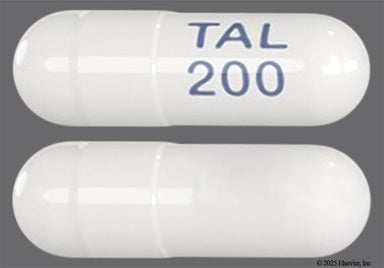
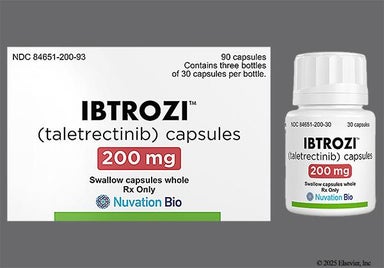
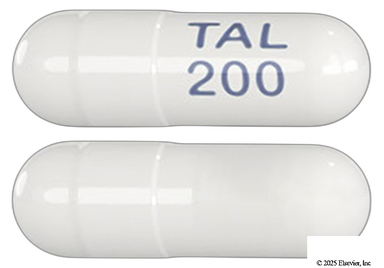
Ibtrozi (taletrectinib) images