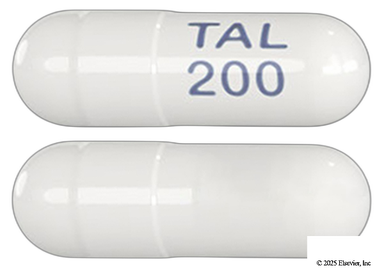
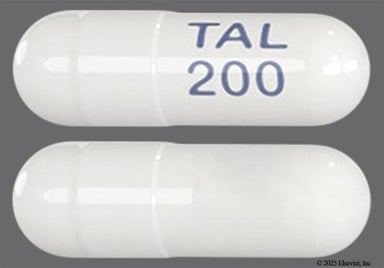
Ibtrozi (taletrectinib) can raise your liver enzymes and, in rare cases, cause serious liver injury. Your care team will check your liver with blood tests before you start, every 2 weeks for the first 2 months, and then monthly after that as needed.
Call your care team right away if you notice yellowing of your skin or eyes, dark urine, severe nausea, or pain in the upper right side of your stomach. Your oncologist might pause, lower, or stop the medication based on your test results.
Ibtrozi (taletrectinib) can cause lung inflammation or interstitial lung disease that can be severe or life-threatening. Let your care team know if you have a new or worsening cough, shortness of breath, chest tightness, or fever. Your oncologist might have you stop the medication while they figure out what’s causing your symptoms. They will then decide if it’s safe to restart it at the same or a lower dose, or stop it permanently.
- Risk factors: History of abnormal heart rhythm | Slow heart rhythms | Heart failure | Taking other medications that cause abnormal heart rhythm | Taking other medications that interact with Ibtrozi (taletrectinib) | Higher doses | Taking Ibtrozi (taletrectinib) with food
Ibtrozi (taletrectinib) can affect your heart rhythm, leading to dangerous abnormal rhythms. This risk is higher if you take Ibtrozi (taletrectinib) at higher doses, with food, or with other medications that also cause abnormal heart rhythms. Your care team might check your heart with electrocardiograms (ECGs or EKGs) and blood tests before and during treatment. Get medical help right away if you feel faint, have a fast or uneven heartbeat, or feel dizzy.
- Risk factors: History of gout or high uric acid
Ibtrozi (taletrectinib) can raise your uric acid levels and trigger gout attacks. Your care team might check your uric acid levels and start treatment if they’re too high. Report sudden joint pain or swelling, side/back pain, or blood in urine.
Ibtrozi (taletrectinib) can cause muscle pain, tenderness, or weakness. Tell your care team if you notice new or unexplained muscle symptoms. They might order a blood test and pause or lower your dose until your symptoms improve.
- Risk factors: Osteoporosis | Bone cancer | Certain age-related conditions
ROS1 inhibitors, including Ibtrozi (taletrectinib), can raise your risk of bone fractures. These breaks can happen with little or no injury. Tell your care team if you have new bone or joint pain, trouble moving, or notice any changes. They will check your symptoms and decide if your treatment should be paused or stopped.
Because of how Ibtrozi (taletrectinib) works, it might cause harm to an unborn baby. If you can become pregnant, use reliable birth control during treatment and for 3 weeks after your last dose. If you’re male and have a partner who can become pregnant, you should also use birth control during treatment and for 3 weeks after your last dose. Tell your care team if you are pregnant or planning to become pregnant.