


7 Hydroxyprogesterone Side Effects You Should Know About
Hydroxyprogesterone (Makena) can help lower your risk of a preterm birth. Common hydroxyprogesterone side effects include pain, soreness, and bruising.
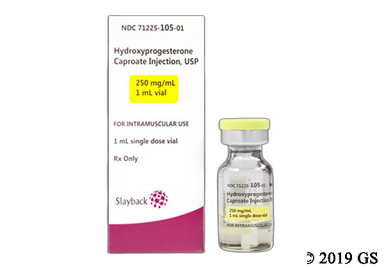
Hydroxyprogesterone is an injection used to help regulate menstrual periods and treat uterine cancer. It's given as a shot into your buttocks muscle, and can cause pain or swelling at the injection site as a side effect.
Please note: As of April 2023, hydroxyprogesterone is no longer approved by the FDA to lower chance of pre-term labor.

Hydroxyprogesterone is a progestin that acts like the natural sex hormone progesterone. The progesterone levels in your body help regulate the lining of your uterus. By helping to balance your natural progesterone levels, hydroxyprogesterone regulates menstrual periods. In uterine cancer, the medication can help block the growth of cancerous cells of the uterine lining.
| Common Brands | Makena |
|---|---|
| Drug Class | Progestin |
| Controlled Substance Classification | Not a controlled medication |
| Generic Status | No lower-cost generic available |
| Availability | Prescription only |

The following side effects may get better over time as your body gets used to the medication. Let your healthcare provider know immediately if you continue to experience these symptoms or if they worsen over time.
Contact your healthcare provider immediately if you experience any of the following.




Hydroxyprogesterone can cause some serious health issues. This risk may be even higher for certain groups. If this worries you, talk to your doctor or pharmacist about other options.
Hydroxyprogesterone can raise your risk of blood clots, which can be very dangerous. While there are several conditions that can raise this risk even further, smoking and a history of blood clots are two of the biggest risk factors. Be sure to discuss all your past and present medical conditions with your provider before starting hydroxyprogesterone. Call 911 or get immediate medical attention if you have pain in your legs or arms, chest pain, sudden, severe headaches, trouble breathing, or sudden changes in your speech or vision.
Hydroxyprogesterone can raise your blood sugar levels. If you are using this medication while pregnant, this raises your risk of developing diabetes during your pregnancy (gestational diabetes). If you have diabetes, hydroxyprogesterone makes it more difficult to control your blood sugar. Let your provider know if you have diabetes or any problems with your blood sugar levels before you start using this medication. You might need to monitor your blood sugar levels more often while using hydroxyprogesterone.
Hydroxyprogesterone can cause extra fluid to build up in your body, especially in your legs, ankles, and feet. Fluid build-up is more likely to happen if you have certain conditions, like heart failure or kidney problems. If you know you have problems with fluid build-up or swelling, tell your provider before you start using hydroxyprogesterone. Call your provider or seek medical help right away if you notice unexplainable swelling, quick weight gain (more than 3 pounds in a day or 5 pounds in a week), or sudden trouble breathing.
Allergic reactions to hydroxyprogesterone are possible, including life-threatening problems like anaphylaxis or airway swelling. Call 911 if this happens. If you notice hives, a rash, swelling of the lips or tongue, or difficulty breathing after receiving your dose of hydroxyprogesterone, get medical help right away.


Contraindications are specific health conditions or situations in which a person should not take a medication due to safety concerns. If you have any of the following conditions or if any of the following apply to you, let your healthcare provider know because Hydroxyprogesterone will not be safe for you to take.


Prescription savings
Stop paying too much for your prescriptions. Compare prices, get pharmacy coupons, and save up to 80%. Find expert answers to your health questions so you can make the best decisions for yourself and your family.
Health conditions
Medications & treatment
Access & affordability
Medication discounts

No, Makena (hydroxyprogesterone) and its generics are no longer approved to prevent preterm labor as of April 2023. The FDA removed this use because the manufacturer of this medication wasn't able to show that it worked well to help newborns. Hydroxyprogesterone is still approved to help regulate menstrual periods and treat uterine cancer.
Hydroxyprogesterone can cause weight changes, meaning it can cause weight gain and weight loss. If you experience changes in your body weight after your Hydroxyprogesterone shot, discuss your concerns with your provider.
Hydroxyprogesterone can raise your blood sugar levels. This can be dangerous, especially if you have diabetes. Because of this risk, your provider might have you check your blood sugar levels more often during Hydroxyprogesterone therapy.
Research in people who received Hydroxyprogesterone at 16 weeks of pregnancy or later show that it isn't likely to cause any serious birth defects. On the other hand, clinical trials suggest that though rare, Hydroxyprogesterone might raise the risk of miscarriage compared with placebo. Keep in mind that Hydroxyprogesterone is no longer approved for use in pregnancy to prevent early labor. If you've questions about Hydroxyprogesterone and pregnancy, talk with your provider.
People who took progestins, like Hydroxyprogesterone, have developed blood clots in different parts of the body, including the brain and lungs. Get medical help right away if you develop sudden, severe pain and swelling in your leg or arm, severe headaches, trouble breathing, or sudden changes in your speech or vision.
