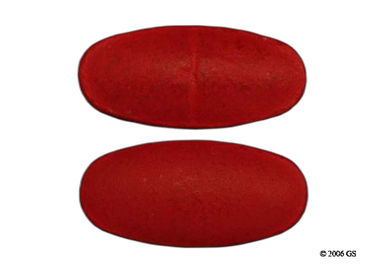
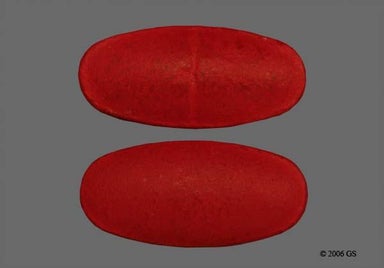
Iron/folic acid is a combination dietary supplement. It's usually used for people who have low levels of iron and folic acid to help prevent problems like anemia. Providers might also recommend it as a prenatal vitamin during pregnancy for a baby's development and growth. It's taken by mouth, usually once to three times a day, depending on the brand name (e.g. Bentivite, ProFerrin Forte). Some potential side effects of iron/folic acid include constipation, nausea, and stomach upset.
The following side effects may get better over time as your body gets used to the medication. Let your healthcare provider know immediately if you continue to experience these symptoms or if they worsen over time.
Food can affect how well iron/folic acid is absorbed in your body
Pharmacist tips for Iron/folic acid
Take iron/folic acid on an empty stomach because your body absorbs iron better this way. But if iron/folic acid is hurting your stomach, taking it with a small amount of food can help. Just make sure to be consistent with how you take the medication and tell your provider if you're taking it with food or not.
Make sure to tell your provider and pharmacist about all the medications you're taking before starting iron/folic acid. Certain medications, such as levothyroxine (Synthroid) and tetracyclines, interact with the iron in iron/folic acid and affect how it works. Don't start any new medications while taking iron/folic acid without talking to your provider or pharmacist first.
Check the labels of any other vitamins (including multivitamins) and supplements you're taking. Don't take additional iron or folic acid to what's prescribed by your provider. Doing so can lead to side effects from iron or folic acid, such as upset stomach, nausea, and constipation.
Make sure to eat a healthy and balanced diet that contains enough folic acid (or folate) and iron. Depending on your iron and folic acid levels and why you're taking iron/folic acid, it's possible you might be able to stop taking iron/folic acid if your nutrient levels are enough with diet alone.
Stomach-related side effects (e.g., nausea, vomiting, diarrhea, constipation, passing gas) are the most common with iron/folic acid. If these symptoms bother you a lot, talk to your provider because you might need to be switched to a different iron supplement.
Iron/folic acid can cause your stool to be discolored, which is a common side effect of iron supplements. Don't be alarmed if you see your stool turn a tarry-black color.
Keep iron/folic acid out of reach of children so that they don't accidentally take it. If your child took iron/folic acid and you notice them vomiting up blood or having diarrhea and stomach pain, call your local Poison Control Center right away at 1-800-222-1222.
Risks and warnings for Iron/folic acid
Iron/folic acid can cause some serious health issues. This risk may be even higher for certain groups. If this worries you, talk to your doctor or pharmacist about other options.
Iron overdose
Risk factors: Taking too much iron | Receiving multiple blood transfusions | Medical problems that raise your blood iron level | Children under 6 years of age
If you take multiple supplements that contain iron or take more iron/folic acid than recommended, there's a chance that your iron level will become too high. This is dangerous because it can lead to problems such as tears in the gut, seizures, and liver damage. Your provider will regularly do blood tests to check your iron level while you're taking iron/folic acid. Let your provider know right away if you experience symptoms of too much iron, such as nausea, vomiting, stomach pain, and diarrhea.
Accidental overdose of iron-containing products, like iron/folic acid, can be extremely harmful to children under 6 years of age. Keep iron/folic acid out of reach of children so that they don't accidentally take it. If your child took iron/folic acid and you notice them vomiting up blood or having diarrhea and stomach pain, call your local Poison Control Center right away at 1-800-222-1222.
Potential to hide low vitamin B12
Taking folic acid can sometimes hide anemia due to low vitamin B12 levels. This means that folic acid might help raise your red blood cell count without addressing your vitamin B12 levels, which can remain low. Your provider might check your vitamin B12 levels through blood work before you start folic acid to make sure you receive appropriate treatment for all your nutrient deficiencies.
Iron/folic acid dosage
The average cost for 30 tablets of 1mg/12mg of Iron/folic acid is $21.82 with a free GoodRx coupon. This is 21.93% off the average retail price of $27.95.
Contraindications are specific health conditions or situations in which a person should not take a medication due to safety concerns. If you have any of the following conditions or if any of the following apply to you, let your healthcare provider know because Iron/folic acid will not be safe for you to take.
Conditions that cause high iron levels (e.g., hemochromatosis)
Yuen, H. W., et al. (2023). Iron toxicity. StatPearls.
GoodRx Health has strict sourcing policies and relies on primary sources such as medical organizations, governmental agencies, academic institutions, and peer-reviewed scientific journals. Learn more about how we ensure our content is accurate, thorough, and unbiased by reading our editorial guidelines.
Prescription savings
Stop paying too much for your prescriptions. Compare prices, get pharmacy coupons, and save up to 80%.
No, folic acid and iron aren't the same. They're both nutrients that have different roles in the body. Iron is used to make hemoglobin, a protein in your blood that carries oxygen to the rest of your body. Folic acid works to help tissues and cells grow as well as help make genetic material (DNA) and new red blood cells.
Yes, you can take Proferrin Forte and vitamin C (ascorbic acid) together. Vitamin C helps to absorb iron into your body, so it's possible your provider might recommend to take a vitamin C supplement with your Proferrin Forte.
Talk with your provider to see which Proferrin Forte supplement is best for you to take during pregnancy. Folic acid is an important vitamin you need during pregnancy, especially during the first trimester. It's key in helping your baby's brain and spinal cord develop properly. It's also important that you have enough iron in your body during pregnancy. Iron (and folic acid) helps prevent and treat anemia for both mother and baby. But depending on your iron levels, not all pregnant people need iron supplements.
Talk with your provider if you're not sure whether or not you should choose an Proferrin Forte with a specific type of iron. There are three types of iron commonly used in Proferrin Fortes: ferrous sulfate, ferrous gluconate, and ferrous fumarate. Your body absorbs these types better than it does other types of iron. The major difference between these three types of iron is how much elemental iron they each contain. Elemental iron is the form of iron your body can actually absorb. Ferrous fumarate contains the most amount of iron and ferrous gluconate contains the least. Ask your provider how much iron you need to take as a supplement.
It's best to take Proferrin Forte in between meals on an empty stomach because your body absorbs iron better this way. But if Proferrin Forte causes you to have a stomach upset, taking it with a small amount of food can help. If you do take Proferrin Forte with food, your provider might recommend you to take it with a glass of orange juice or a vitamin C tablet because these can help your body better absorb the iron.
No, don't give Proferrin Forte to a child younger than 18 years old without talking to their provider first. Proferrin Forte contains iron, and accidental overdose of iron-containing medications, like Proferrin Forte, is a leading cause of deadly poisoning in young children. Ask your child's provider about safe multivitamins for children.