Key takeaways:
Many people think that you can’t get pregnant on your period, but that’s a myth.
Individual menstrual cycles vary, so it’s possible to get pregnant when you’re on your period.
If you don’t want to get pregnant, don’t rely on timing methods. Use proper protection and/or birth control every time.
There are many myths and misconceptions about pregnancy. One of these myths is that you can’t get pregnant on your period. Getting pregnant on your period isn’t common, but it can happen. And the likelihood goes up a bit more for some — like older adults and those with irregular periods or short cycles.
How do you get pregnant?
Pregnancy occurs when an egg that was released by an ovary encounters and is fertilized by a sperm. Once an egg is fertilized, it can then implant in the lining of the uterus and begin to grow as an embryo and result in pregnancy.
The timing of the release of the egg is controlled by the menstrual cycle each month. There’s typically a 24 hour window for fertilization to occur after an egg is released. If sperm doesn’t fertilize the egg, your next period will come and the monthly cycle starts all over again. But this can vary based on your specific cycle. The actual cycle is pretty predictable. But there can be differences in individual cycle length.
Can you get pregnant while on your period?
Yes, it’s possible to get pregnant while you’re on your period during your menstrual cycle. But this isn’t likely. Pregnancy can happen during your period because the timing of your fertility window — the time of the month you’re most likely to get pregnant — can vary.
In one study, researchers explained that only 30% of women have a predictable fertility window. That means that the other 70%, even those with regular cycles, have an unpredictable fertility window. Because it’s unpredictable, that part of the fertility window can overlap with your period.
Can you get pregnant on your first period day?
You’re least likely to get pregnant on the first day of your menstrual cycle. Your fertility window usually falls between days 10 and 17 of the menstrual cycle — with day 1 being the first day of your period.
But not all bleeding is a period. A “period” refers to when the uterine lining sheds 2 weeks after ovulation. But there are plenty of other times when you may experience vaginal bleeding or spotting.
About 5% of people actually experience ovulation spotting. This is bleeding that occurs mid-cycle, when you’re ovulating. You may mistake this for the start of your period, but it’s actually a time when you’re most fertile.
Can you get pregnant on the last day of your period?
It’s possible to get pregnant on the last day of your period. This depends on the length of your period and the number of days between your period. The chances of being fertile increases each day your cycle progresses. It’s highest after your period ends, but older people and those with irregular cycles are more likely to conceive earlier in the cycle.
Can you get pregnant right before your period?
Ovulation typically occurs mid-cycle, or around days 14 to 16. This means you’re not likely to get pregnant right before your period. For pregnancy to occur, typically an egg must be fertilized within 24 hours of ovulation. This means that you’re less likely to get pregnant each day after ovulation until your period starts.
Most people can expect to get their period 2 weeks after ovulation occurs. But if you have irregular cycles, this gets more difficult to predict.
Chances of getting pregnant on your period at a glance
| Timing in cycle | Approximate chance of pregnancy | Explanation | Factors that raise or lower risk |
|---|---|---|---|
| Before your period (last days of cycle) | Very low (close to 0% for most people with regular cycles) | Ovulation has already occurred, and the egg only survives about 24 hours. By this point in the cycle, there’s typically no egg available to fertilize. | Lower risk:
Higher risk:
|
| During your period | Low, but not zero (about 2% to 5% early in cycle; varies by person) | Sperm can stay in the body for up to 5 days. If you ovulate soon after your period ends (especially with a short cycle), sperm may still be present to fertilize the egg. | Higher risk:
Lower risk:
|
| Right after your period (early cycle) | Low to moderate (risk increases as you get closer to ovulation and can rise significantly by days 8 to 12) | As ovulation gets closer, sperm from recent sex can fertilize the egg. The fertile window may begin earlier than expected in some people. | Higher risk:
Lower risk:
|
How can you get pregnant on your period?
Since the menstrual cycle can vary so much, it’s possible — though unlikely — to get pregnant while on your period. Let’s take a look at what increases the chances of getting pregnant during your period.

Read more like this
Explore these related articles, suggested for readers like you.


Irregular periods
Having irregular periods can mean that your fertility window is unpredictable. This may make it more likely for you to ovulate at a time that’s not mid-cycle and may overlap with your period.
Short menstrual cycles
Short menstrual cycles can make it easier for your period and fertility window to overlap. Most fertility window estimates are based on a 28-day cycle. If your cycle is much shorter than that, it’s possible for pregnancy to occur while on your period.
For example, if your cycle is only 22 days long, sperm that enters the cervix on the last day of your period may still be around when you ovulate. If that happens, there’s a chance that you could become pregnant.
Sperm lifespan
Sperm can live for 5 days in the body and cause pregnancy well after sex. If you have unprotected sex during your period and your fertile window falls shortly after, the sperm may still be able to result in pregnancy. This is more likely for people with shorter cycles.
Can you get pregnant during your period if you take birth control?
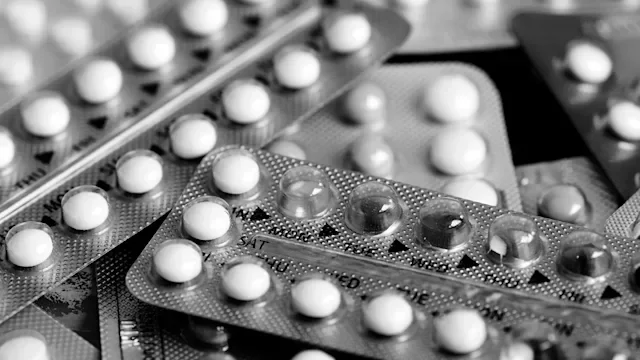
If you’re taking birth control as prescribed without missing any days, getting pregnant during your period is unlikely. With “perfect use,” when you take the pill every day (and at the same time with a mini pill), birth control pills are 99% effective at preventing pregnancy. This means that less than 1 person in 100 has an unplanned pregnancy. With typical use, birth control pills are 91% effective.
Quiz: Am I pregnant?
So should you use your period as a birth control method?
Tracking the timing of your period, or natural family planning, isn’t the most reliable form of birth control. If you’re trying to successfully prevent pregnancy, it’s best to use some form of protection every time you have sex. You can always talk to a healthcare professional about the type of birth control that best fits your lifestyle and needs.
Frequently asked questions
Yes. Period blood doesn’t automatically kill sperm. Sperm can live inside your reproductive tract for up to 5 days under the right conditions. So, if you have sex during your period and ovulate soon after, pregnancy is possible (especially if you have a short or irregular cycle)
There are several factors that affect how long sperm survive in the female body. The vagina’s naturally acidic environment can damage sperm, and the immune system also clears out sperm cells. But during a woman’s fertile window, cervical mucus becomes more sperm-friendly, which helps them survive longer.
You’re least likely to get pregnant in the days right before your period starts. By that point, ovulation has already happened, and the egg only lives for about 24 hours. Without an egg available, pregnancy can’t occur. That said, if your cycles are irregular or you’re unsure when you ovulate, timing alone isn’t a reliable form of birth control.
Yes. Period blood doesn’t automatically kill sperm. Sperm can live inside your reproductive tract for up to 5 days under the right conditions. So, if you have sex during your period and ovulate soon after, pregnancy is possible (especially if you have a short or irregular cycle)
There are several factors that affect how long sperm survive in the female body. The vagina’s naturally acidic environment can damage sperm, and the immune system also clears out sperm cells. But during a woman’s fertile window, cervical mucus becomes more sperm-friendly, which helps them survive longer.
You’re least likely to get pregnant in the days right before your period starts. By that point, ovulation has already happened, and the egg only lives for about 24 hours. Without an egg available, pregnancy can’t occur. That said, if your cycles are irregular or you’re unsure when you ovulate, timing alone isn’t a reliable form of birth control.
The bottom line
While it’s not very likely, it’s possible to get pregnant while on your period. This may be more common if you have irregular periods or short cycles (less than 28 days). Most people have unpredictable fertility windows, so pregnancy can happen even when least expected. If you want to be sure to protect against pregnancy, it’s best to talk to a healthcare professional about your birth control options.

Why trust our experts?




References
Dasharathy, S. S., et al. (2012). Menstrual bleeding patterns among regularly menstruating women. American Journal of Epidemiology.
Stirnemann, J. J., et al. (2013). Day-specific probabilities of conception in fertile cycles resulting in spontaneous pregnancies. Human Reproduction.
Wilcox, A. J., et al. (2000). The timing of the “fertile window” in the menstrual cycle: Day specific estimates from a prospective study. British Medical Journal.
Witt, B. (2025). Trying to get pregnant? Here’s when to have sex. American College of Obstetricians & Gynecologists.