Key takeaways:
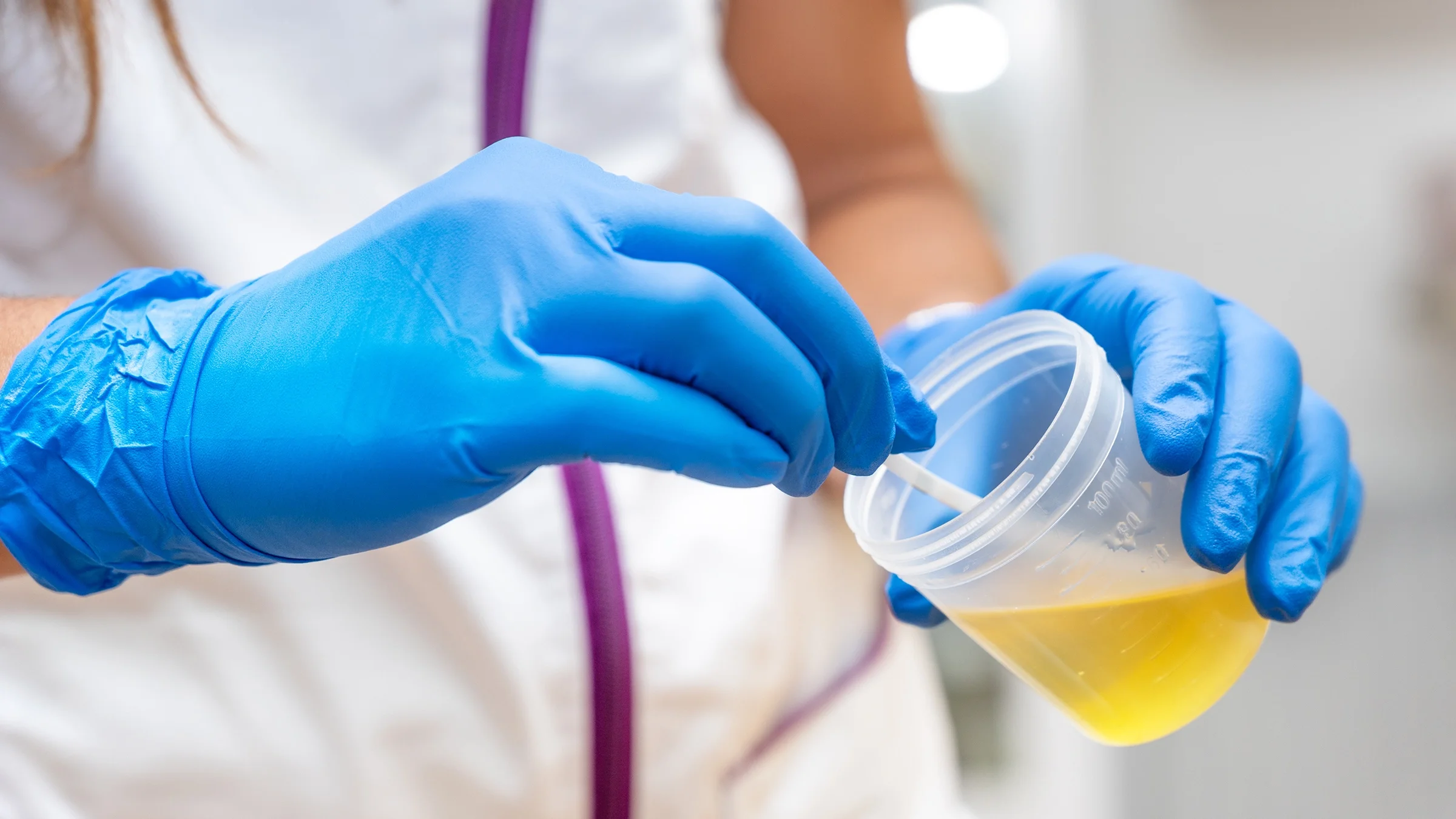
Healthy urine is usually light or pale yellow. But your pee can be almost any color of the rainbow.
Red or pink urine can mean there’s blood in your urine. Orange or green/blue urine is usually caused by medications or foods.
Seek medical care if your urine color is different than normal. They can check your urine for signs of blood, infection, or other health conditions.
Your body creates urine as a way to clear toxins from your body. Healthy urine has a pale-yellow hue because it contains bilirubin, a waste product from broken-down red blood cells.
But your pee can come in a wide variety of colors. What do these pee colors mean — and are they dangerous? Let’s look at what these changes mean.
What color should your urine be?
Your pee can tell you a lot about your health.
Search and compare options
Fresh, healthy urine should also be odorless. If you forget to flush the toilet and come back later, your pee should smell stronger. This happens because chemicals, like ammonia, will get more concentrated as water evaporates from your urine. Also, bacteria in your toilet bowl will break down the urea in your urine, which creates a pungent odor.
Healthy urine should also be clear, not cloudy. Cloudy urine, even if it’s pale yellow, can be a sign of a urinary tract infection or other medical condition. Cloudy urine is a sign that there’s extra substances in your urine. And these substances shouldn’t be there.
Finally, healthy urine should have a pale-yellow color. Changes in your pee color are an early sign that something’s going on in your body. Here’s some of the most common changes in pee color and what they mean.
1. Dark yellow
Dark yellow urine is usually a sign that you’re not drinking enough water or fluids throughout the day. When you don’t get enough fluids, your kidneys have to work harder to process toxins and make urine. Think of that dark yellow color as your kidneys’ way of asking for help.
Drinking more liquids should be enough to get your urine back to its normal pale-yellow color. Contact your primary care provider if your pee doesn’t get lighter after drinking more liquids.
2. Red or pink
Red or pink urine is usually a sign that you have blood in your urine. This is called hematuria. Many things can cause hematuria including:
Kidney or bladder infections
Kidney stones
Injury to your urinary system
Prostate inflammation (prostatitis)
Bladder, kidney, or prostate cancer
But your urine can look pink or red for other reasons too:
Medications: Some medications, like Senna (a type of laxative), can make your urine look reddish.
Foods: Beets, fava beans, and rhubarb can make your urine appear red if you eat a lot of them.
Rhabdomyolysis: This is a serious condition caused by muscle breakdown. It makes urine turn dark red or tea-colored.
If your urine is pink or red, you should seek medical care as soon as possible. They can test a sample of your urine for blood and pinpoint what’s causing this change.
3. Orange
Very light orange urine, like dark yellow urine, can be a sign that you’re dehydrated. But a more obvious orange color or a dark orange color can be triggered by:
Medications: Some medications can make your urine look orange. Phenazopyridine (Pyridium), which helps relieve urinary tract infection (UTI) pain, is a common culprit. Rifampin and isoniazid, antibiotics that treat tuberculosis, can also make pee look orange.
Food: Foods high in beta-carotene, like carrots and sweet potatoes, can also give your urine an orange hue. But you’d need to eat a lot of these foods for the color change to happen.
Medical conditions: Medical conditions that affect your bile ducts or liver can cause a buildup of bilirubin in your body. Your body will try to get rid of this extra bilirubin through your urine, which can make it look more orange or brown.
4. Brown
Several things can make your pee look brown:
Dehydration: Brown, dark urine can be a sign of dehydration. Dehydration makes it harder for your body to do its usual activities. Make sure you’re drinking enough fluids throughout the day to keep your urine a light yellow color.
Menstruation: During your period, blood and tissue can pass out of your vagina while you’re peeing. This can mix with your urine in the toilet and make everything a brownish color.
Medications: Some medications can make urine look dark or brown. Metronidazole (Flagyl), nitrofurantoin (Macrobid), and iron supplements are some common examples.
Medical conditions: Medical conditions that affect your bile ducts or liver can cause extra bilirubin to build up in your body. Extra bilirubin leaves your body through the urine, making it look brown or orange.
Hematuria: Hematuria is the medical term for blood in the urine. Not all hematuria looks red or pink. It can also look brown depending on where the blood is coming from along your urinary tract. Conditions like post-strep glomerulonephritis (a complication of strep throat) and kidney stones can cause bleeding in your kidneys and make your urine look brown.
5. Clear
Clear urine can be normal if you’ve been drinking a lot of fluids. Staying hydrated helps your body work at its best. But sometimes, clear urine can be a sign of a medical condition like diabetes or kidney disease. Most people with these conditions experience other symptoms, like needing to pee more often and especially at night, along with clear urine.
Diuretic medications (water pills) prompt your body to make more urine than usual. This urine is usually clearer than normal.
6. Green or blue
Green or blue urine isn’t as common as other urine colors. But there several things that can cause this hue:
Food dyes: Green and blue food dyes can change your urine color. You’ll notice the change within a few hours and it should go away on its own in a few hours if you stop eating foods with these dyes.
Medications: Some medications, like amitriptyline, indomethacin, and cimetidine, can cause a blue tinge to your urine.
UTIs: Bladder infections caused by the bacteria Pseudomonas aeruginosa can make pee look green or blue. These types of UTIs are not common unless you have a certain medical condition or a history of surgeries that affect your urinary tract.
Blue diaper syndrome: This is a rare genetic condition found in babies. It can cause blue or green colored urine, along with other symptoms.
Are changes in pee color normal?
Yes, changes in pee color can be normal. Often, they’re caused by medication side effects, dietary changes, or mild dehydration. Your urine color should go back to normal once you drink more fluids and stop taking the medications or eating foods that caused the change.
But sometimes, changes in pee color can also be a sign of a more serious medical condition. You should seek care if you notice a color change along with any of the following:
Pain or burning when you pee
More frequent urination or trouble holding in your pee
Excessive thirst
Stomach, back, or groin pain
Fever
A history of liver disease
A history of kidney disease
You should also seek care if there’s no clear reason for your pee color changes. For example, you should seek care if you’re not taking any medications or you haven’t eaten any foods that could cause a change in pee color.
The bottom line
Changes in pee color are often due to medication side effects, a food that you ate, or a change in your hydration. If you have pain with urination, fever, excessive thirst, or need to pee more often than usual, seek medical care right away. Otherwise, seek care as soon as possible for changes in pee color. Your care team can help you figure out what’s causing the changes.

Why trust our experts?



References
Adult Pediatric Urology & Urogynecology. (n.d.). Meaning behind color of your urine.
Centers for Disease Control and Prevention (2024). About post-streptococcal glomerulonephritis.
Elbargisy, R. M., et al. (2021). Optimization of nutritional and environmental conditions for pyocyanin production by urine isolates of pseudomonas aeruginosa. Saudi Journal of Biological Sciences.
Grune, Tilman, et al. (2010). β-Carotene is an important vitamin A source for humans. The Journal of Nutrition.
MedlinePlus. (2023). Prostatitis - bacterial.
National Institute of Diabetes and Digestive and Kidney Diseases. (2022). Hematuria (blood in the urine). National Institutes of Health.
New York-Presbyterian. (n.d.). Obstructive jaundice.