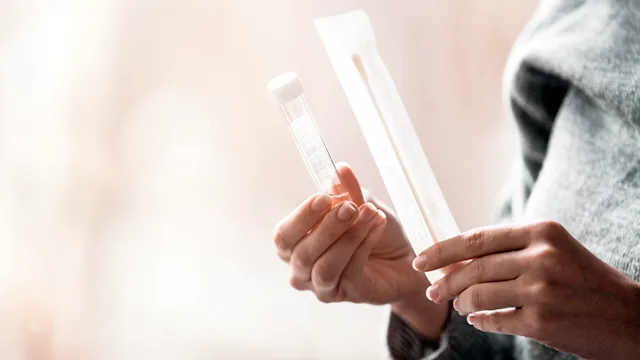
Yes. At-home STI tests work and may be a good option for some people. STI test kits can be ordered online or picked up at some pharmacies. The kit includes everything you need, including directions, equipment, and a container to mail everything to the lab.
The lab will analyze your sample, and you’ll usually get your results online within a few days. If you have a positive test, some of these services will connect you to healthcare providers (through phone or video) to talk to you and help you get treatment.
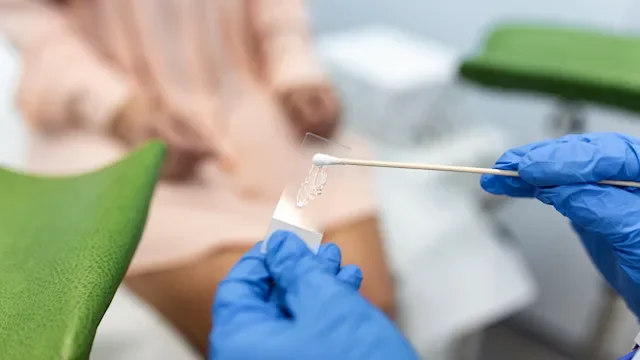
Yes, many STIs don’t cause any symptoms, but they can still result in health problems and be passed to other people. This is why screening for STIs is so important for your health — it can catch infections you don’t even know you have so that they can be treated early.
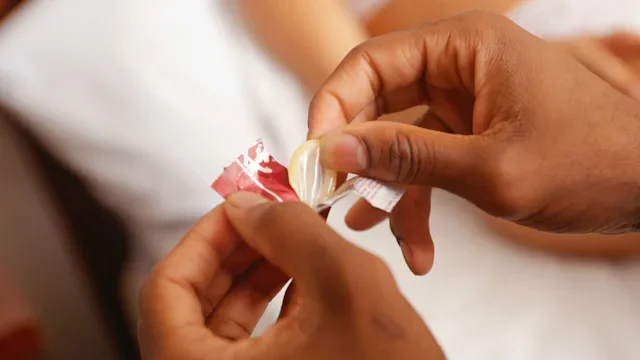
Other than not being sexually active, condoms are one of the best ways to lower the risk of getting (or giving) an STI, especially ones that are transmitted by fluids (like HIV, gonorrhea, or chlamydia). They may not be as effective at preventing STIs that are spread by skin-to-skin contact, like herpes and HPV.
Whether you get tested by your primary provider, at a confidential clinic (like Planned Parenthood and FastMed), or are using an at-home STI kit, your information and results are always confidential. By law, some STI results have to be reported to the state and the CDC. This is to improve public health and to make sure there are good screening and treatment programs. Your information is still private. If you are under 26 years old and on your parent’s health insurance, talk to the insurance company to see what information is reported if you get tested.
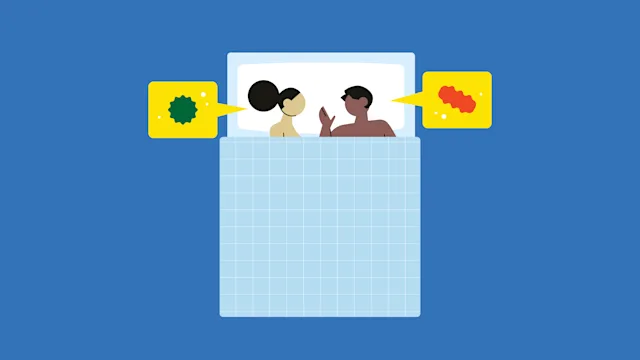
Notifying a partner or ex-partner can be uncomfortable and hard to do. But it’s also really important because it helps keep them healthy, too. Having an honest and straightforward conversation without blaming anyone can be helpful. There are resources that give tips on how to start that conversation. There are also government-sponsored health programs like Partner Notification Services that can help by notifying your partners. And just remember, STIs are very common, and you are not alone. The important thing is to get tested and treated.