Key takeaways:
Aphrodisiacs are foods, herbs, and supplements believed to boost libido (sex drive), improve sexual performance, or enhance the sexual experience.
The concept of aphrodisiacs has been around for centuries. There’s no evidence that aphrodisiacs work, although they might have a placebo effect.
There are proven ways to boost your libido and enhance sexual performance. Examples include exercising regularly, getting enough quality sleep, and managing stress.
Have you ever heard that oysters will boost your libido, or sex drive? Or that chocolate will increase your sexual desire? If so, you were hearing about the concept of aphrodisiacs.
An aphrodisiac is a substance that’s meant to increase sexual desire and improve your sex life. And while many people think this is proven science, it’s actually unclear whether aphrodisiacs actually work to boost sexual libido.
What are aphrodisiacs?
The word “aphrodisiac” comes from Aphrodite, the Greek goddess of love. Aphrodisiacs are substances believed to boost sexual libido and enhance sexual pleasure and performance. An aphrodisiac can be a food, herb, or medication. And they’re typically derived from plants, animals, or minerals.
Aphrodisiacs are divided into three main categories, including those that:
Increase libido, or sexual desire
Boost sexual pleasure
Improve sexual potency, or the ability to perform
There are a few different theories about how aphrodisiacs work, depending on the type. But there hasn’t been a ton of research in this area.
That said, aphrodisiacs are thought to:
Relax smooth muscles and increase blood flow, which can lead to an erection or enhanced sexual arousal in women
Change brain levels of neurotransmitters that enhance sexual arousal — like dopamine, glutamic acid, nitric oxide, and oxytocin — and those that diminish it, such as serotonin and gamma-aminobutyric acid (GABA)
Increase levels of androgens, hormones like testosterone, and dehydroepiandrosterone (DHEA), which all play a role in sexual arousal, desire, and orgasm
Aphrodisiac foods and herbs
Most natural aphrodisiacs are either foods or herbs. You can find some of these substances in more of a whole-food form, like in tea, and others in over-the-counter (OTC) supplements. Here are some examples of natural aphrodisiacs:
Oysters
Figs
Dates
Strawberries
Honey
Saffron
Maca
Ginseng
Yohimbe
Date palm
Eurycoma longifolia
Saw palmetto
Fenugreek
Do aphrodisiacs actually work?
If you’re wondering whether aphrodisiacs actually work, the short answer is: not really. Animal studies have shown promising results. But there haven’t been many human studies on aphrodisiacs. Even in the existing human studies, there’s not enough data to make definitive statements.
Researchers from one review looked at data from 50 trials and case studies. They concluded that evidence is limited but supportive of some aphrodisiacs, such as maca, tribulus, ginkgo, and ginseng. But there’s a need for more evidence to determine if they actually work. As for other aphrodisiacs — including yohimbe, Spanish fly, mad honey, and Bufo toad — researchers said the risks outweigh any potential benefits.
But while the scientific evidence behind aphrodisiacs is lacking and inconclusive, you can’t underestimate the placebo effect, which can be pretty powerful. This is the power of suggestion and what several experts say is behind the “effectiveness” of aphrodisiacs.

Read more like this
Explore these related articles, suggested for readers like you.




In other words, if you think a food or herb might enhance your sexual desire, there’s a chance that it will, even if there’s not an actual physiological response.
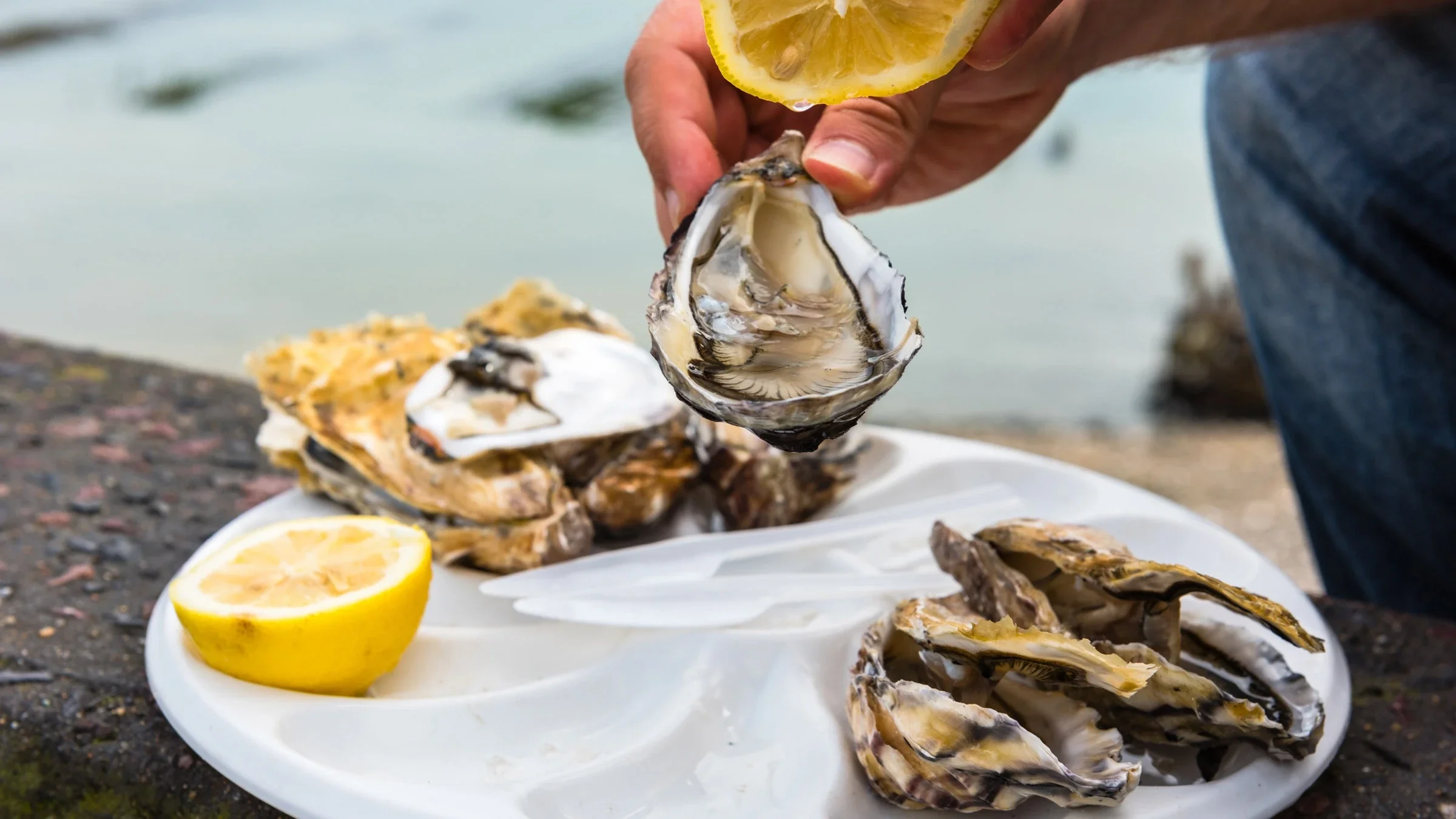
When it comes to foods that are considered aphrodisiacs, there’s also the nutrient breakdown to consider. Think about oysters, one of the most well-known aphrodisiacs. While oysters might not directly boost libido, they’re rich in zinc. Zinc can raise testosterone levels, which affects sexual function in men and women. Zinc can also affect dopamine levels, which affects sexual function.
What are the possible side effects of aphrodisiacs?
While they may not cause a physiological response, many aphrodisiacs are unlikely to cause any harm. For example, oysters and chocolate, which are some of the most well-known, food-based aphrodisiacs, are unlikely to have side effects when you eat them in moderation.
At small-to-moderate doses, herbal aphrodisiacs — like kava, bitter orange, and ginseng — are generally considered safe. However, in rare cases (and usually at very high doses), they can cause side effects, such as:
Dizziness
Fatigue and sleepiness
Agitation
Headache
Anxiety
Depression
Mania
Psychosis
Yohimbe has also been connected to heart attacks and seizures. Because of this, the supplements have been banned or restricted in many countries.
How do you use aphrodisiacs?
Since the science behind aphrodisiacs is limited, there’s no standard guidance on how to use them. That said, following some general guidelines can help you stay safe while trying different types of aphrodisiacs.
For food-based aphrodisiacs, eat a serving or two daily. For oysters, this means about three oysters per day. For chocolate, a serving is about 1 oz.
For herb-based aphrodisiacs, like maca or kava, you have a couple of options. You can make your own beverage by mixing powders or liquids into water. Or you can try them in supplemental form, typically as capsules or tinctures that don’t require any preparation.
Good to know: The FDA doesn’t regulate OTC supplements. So the reported dosage and ingredient information on supplement labels isn’t always reliable. Look for options that have a seal from the United States Pharmacopeia (USP) or National Sanitation Foundation (NSF) on the label. Those products have gone through additional testing.
How long does it take an aphrodisiac to work?
You may not notice any effect after trying an aphrodisiac, or the effect may not be immediate. Outside of the placebo effect, the biggest benefits will likely come with consistent use. But listen to your body, as you don’t want to overdo it.
What are proven ways to increase your libido, instead of using aphrodisiacs?
It’s normal for libido to go up and down over time. Lots of different things affect your libido, like hormones, life experiences, and medications.
If you’re looking for research-backed ways to naturally boost your libido, aphrodisiacs aren’t your best bet. Natural, scientifically backed ways to increase your libido include:
Getting enough exercise: Research shows that regular exercise can help improve sexual desire, arousal, and performance.
Prioritizing sleep: Not getting enough sleep or having disrupted sleep can negatively affect sexual function. Most adults need around 7 to 9 hours of sleep per night.
Managing stress: Stress and anxiety can contribute to a lower sex drive and issues with sexual performance. Tips to manage stress include practicing meditation and mindfulness, spending time outside, making connections with people and animals, and eating nourishing foods.
Reconsidering your habits: Smoking and drinking alcohol can have negative effects on your sexual desire and function.
Frequently asked questions
There are lots of aphrodisiac products and supplements that claim to increase your libido and sexual pleasure. But most of these don’t have much evidence to support them. The ones you’ll hear about most, like ginseng and red clover, are the most studied — but even those haven’t been shown to reliably work. Any boost you notice may come down to the placebo effect.
There’s a long history of humans using aphrodisiacs to increase arousal and enhance sexual pleasure. Among the oldest references to aphrodisiacs are honey, chocolate, red wine, oysters, and goat weed.
There isn’t enough research to say which aphrodisiac drinks have the most powerful effect on libido. Much of the research on aphrodisiacs has been done on rats, not humans. For example, one study found that watermelon juice may support sex drive in rats. While it’s unclear whether this benefit will apply to humans, it may be worth a try since it’s low risk.
There are lots of aphrodisiac products and supplements that claim to increase your libido and sexual pleasure. But most of these don’t have much evidence to support them. The ones you’ll hear about most, like ginseng and red clover, are the most studied — but even those haven’t been shown to reliably work. Any boost you notice may come down to the placebo effect.
There’s a long history of humans using aphrodisiacs to increase arousal and enhance sexual pleasure. Among the oldest references to aphrodisiacs are honey, chocolate, red wine, oysters, and goat weed.
There isn’t enough research to say which aphrodisiac drinks have the most powerful effect on libido. Much of the research on aphrodisiacs has been done on rats, not humans. For example, one study found that watermelon juice may support sex drive in rats. While it’s unclear whether this benefit will apply to humans, it may be worth a try since it’s low risk.
The bottom line
Humans have been searching for ways to enhance sexual pleasure and sex drive for millenia. But the science around aphrodisiacs continues to lag behind the desire for sexual enhancement. You might experience a boost in sex drive after eating oysters or taking ginseng, for example. But many experts believe this is due to the power of suggestion. In other words, if you believe you’ll be more aroused after eating oysters, you probably will be.
If you want to increase your sex drive, you may be better off trying some tried-and-true methods. Examples include exercising regularly, getting adequate sleep, and managing stress. And make sure you check in with a healthcare professional to rule out any underlying causes of low libido or performance issues.

Why trust our experts?



References
Argiolas, A., et al. (2003). The neurophysiology of the sexual cycle. Journal of Endocrinological Investigation.
Boston University School of Medicine, Sexual Medicine. (2003). Androgen insufficiency in women.
Brunetti, P., et al. (2020). Pharmacology of herbal sexual enhancers: A review of psychiatric and neurological adverse effects. Pharmaceuticals.
Cabrera Martimbianco, A. L., et al. (2020). Tribulus terrestris for female sexual dysfunction: A systematic review. Revista Brasileira de Ginecologia e Obstetrícia.
Cai, T., et al. (2014). Apple consumption is related to better sexual quality of life in young women. Archives of Gynecology and Obstetrics.
Cho, J. W., et al. (2019). Sleep, sleep disorders, and sexual dysfunction. The World Journal of Men’s Health.
Kotta, S., et al. (2013). Exploring scientifically proven herbal aphrodisiacs. Pharmacognosy Review.
Maseroli, E., et al. (2021). Physical activity and female sexual dysfunction: A lot helps, but not too much. The Journal of Sexual Medicine.
Moran, M., et al. (2025). From myth to medicine: Aphrodisiacs through the ages. The Journal of Sexual Medicine.
Munglue, P., et al. (2014). Effect of watermelon (Citrullus lanatus) flesh extract on sexual behavior of male rats. CMUJ NS Special Issue on Food and Applied Bioscience.
National Center for Complementary and Integrative Health. (2025). Yohimbe.
Nia, L. M., et al. (2021). Effect of zinc on testosterone levels and sexual function of postmenopausal women: A randomized controlled trial. Journal of Sex and Marital Therapy.
Noh, J., et al. (2019). Modulation of dopaminergic neuronal excitability by zinc through the regulation of calcium-related channels. Experimental Neurobiology.
Parra-Naranjo, A., et al. (2023). Bioactivity of the genus turnera: A review of the last 10 years. Pharmaceuticals.
Salari, N., et al. (2023). The risk of sexual dysfunction associated with alcohol consumption in women: a systematic review and meta-analysis. BMC Women’s Health.
Saokaew, S., et al. (2016). Clinical effects of krachaidum (Kaempferia parviflora): A systematic review. Journal of Evidence-Based and Complementary & Alternative Medicine.
Shamloul, R. (2010). Natural aphrodisiacs. The Journal of Sexual Medicine.
Srivatsav, A., et al. (2020). Efficacy and safety of common ingredients in aphrodisiacs used for erectile dysfunction: A review. Sexual Medicine Reviews.
West, E., et al. (2015). Natural aphrodisiacs - A review of selected sexual enhancers. Sexual Medicine Reviews.