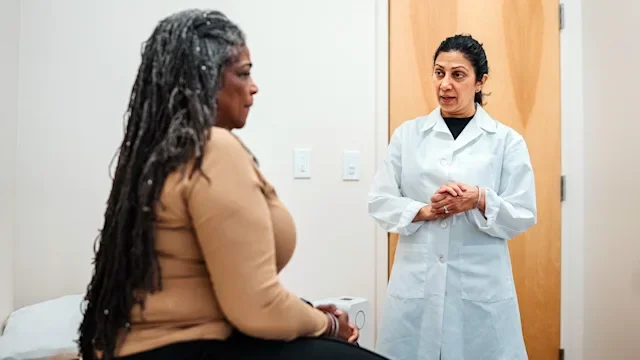
Key takeaways:
Vaginismus is an automatic contraction of the vaginal muscles. It doesn't just occur with sex, it can happen with any type of vaginal penetration. Inserting tampons, fingers, or medication into the vagina can cause painful spasms.
Pain with vaginal penetration is an important feature of vaginismus. An intense fear of sex or vaginal pain is also common.
Vaginismus can be cured in most cases. But it takes a willingness to be open and honest about your sexual views and sexual experiences.
Painful sex is very common. About 3 out of 4 women have painful sexual experiences at some time in their lives. For some, this is a temporary condition, but for others it can last a long time. Vaginismus is one form of female sexual dysfunction (FSD) that can lead to painful sex.
What is vaginismus?
Vaginismus is an automatic contraction of the vaginal muscles. It involves muscle spasms of the vaginal opening during any attempt at penetration. These spasms are involuntary, which means they aren't under your control.
Many people can willfully contract the muscles of their pelvic floor. This is what happens when you have to stop your urine stream or when you do Kegel exercises. This is a voluntary action and different from the contractions that vaginismus causes.
Spasms from vaginismus are often painful and make sexual penetration difficult. Sometimes vaginismus can occur even if you have enjoyed sexual penetration before.
What are the symptoms of vaginismus?
The hallmark symptom of vaginismus is pain with sex (dyspareunia). But painful sex can occur for a number of reasons. The diagnosis of vaginismus will typically have other signs and symptoms. They may include:
Inability to insert things into the vagina
Burning or stinging during sex
Decreased desire or no desire for penetration
Intense fear of pain with sex
Because vaginismus causes pain, many women become fearful of penetration. This cycle of pain and fear can be devastating. This is especially true if you want to enjoy penetration as part of your sexual experience.
Vaginismus does not have to occur with sexual intercourse. It can happen with insertion of any item into the vagina. Some women can’t use tampons for menstrual flow due to vaginismus.
Use of vibrators or self-stimulation during masturbation can be difficult for women with vaginismus as well.

Read more like this
Explore these related articles, suggested for readers like you.



What causes vaginismus?
There are several factors that may cause vaginismus.
Genital trauma
Genital trauma is a form of injury or damage to the outer sex organs. This can have many causes and may not always be intentional.
This type of trauma may occur from unwanted sexual advances or assault. But it can also occur from infections, medical procedures, or childbirth. Falls or accidents may also cause it. Any trauma that causes physical or emotional pain related to the genitals can lead to vaginismus.
Body image disorder
Some people with vaginismus suffer from body image disorders, like dysmorphia. These conditions lead you to focus on one or more defects you believe you have in your physical appearance.
And it’s possible to have a perception that your vagina is too small to allow something to penetrate it. This is untrue, as the vagina can expand to allow a baby to pass through it. Therapy and education on the capacity of the vagina can help some people to overcome this fear.
Shame
In some cultures and religions, there’s a belief that sex (under certain circumstances) is shameful or wrong. Believing that you shouldn’t enjoy sex, or that your choice of partner is wrong, can have lasting effects on your sexuality. Vaginismus is sometimes the direct result of shame.
Gender-identity conflicts
Gender-identity conflicts cause a significant proportion of sexual dysfunction. If you have a vagina but identify as someone who should not, you may have sexual pain during penetration.
In addition, transgender women may also have vaginismus. This can occur if a new vagina is constructed for you during gender-affirming surgery.
What treatments are available for vaginismus?
Treatments with good success rates include those that combine treatment options. There are four major treatment options for vaginismus.
1. Pelvic floor physiotherapy
Pelvic floor therapy may be effective for vaginismus. It helps increase awareness of the pelvic floor muscles. So it may help you gain better control over these muscles and decrease the amount of spasms you have. It’s also useful alongside controlled breathing. Licensed therapists can teach both relaxation and controlled breathing.
2. Pharmacologic agents
Some medications and equipment may help decrease vaginal sensitivity. Medications like lidocaine (local anesthetic) and Botox injections may reduce pain with sex.
Vaginal dilators are another common treatment. They come in various sizes to slowly allow you to become comfortable with relaxing the vagina. They start with thin sizes and increase up to the size of an erect penis or large vibrator.
There’s no standard regimen for effective dilator use. Research is ongoing to find how best to use this treatment.
3. Psychotherapy
Psychotherapy can help to address the pain involved in stages of vaginismus, from the panic reaction to penetration. It’s common to have anxiety, depression, relationship problems, and fear with vaginismus. People with vaginismus are more likely to have had childhood sexual trauma. A therapist can help you manage psychological factors and past trauma.
4. Sexual therapy
Sometimes people can use biofeedback as a part of sexual therapy. It allows you to check your body’s response to sexual touch. During biofeedback, you're connected to sensors that help you receive information about your body. This feedback allows you to make subtle changes, like relaxing your muscles to decrease pain.
This therapy could help decrease your vaginal pain response through touch. Sexual therapy also includes couples counseling, physical touch therapy without penetration, and hypnotherapy.
Can you cure vaginismus?
Yes. A cure means the ability to achieve sexual penetration without significant pain. One study showed that after treatment, 79% of people were able to have sex successfully. And this was regardless of the therapy they used. If you’re willing and able to get treatment, the good news is that a cure is more likely than not.
The bottom line
Vaginismus is a condition that can be disruptive to your sexual experiences. And it can be difficult to discuss. If you have vaginismus, it’s important to find a provider with whom you feel comfortable. Treatment rates are very successful if you’re open, honest, and willing to discuss your sexuality.

Why trust our experts?



References
Allahdadi, K. J., et al. (2010). Female sexual dysfunction: Therapeutic options and experimental challenges. Cardiovascular & Hematological Agents in Medicinal Chemistry.
Hall, M., et al. (2011). The long-term effects of childhood sexual abuse: Counseling implications. The American Counseling Association.
Grimstand, F., et al. (2021). The gynecologic examination of the transfeminine person after penile inversion vaginoplasty. Clinical Opinion.
Liu, M., et al. (2021). Vaginal dilators: Issues and answers. Sexual Medicine Reviews.
Maseroli, E., et al. (2018). Outcome of medical and psychosexual interventions for vaginismus: A systematic review and meta-analysis. The Journal of Sexual Medicine.
MedlinePlus. (2020). Vaginismus.
Melnik, T., et al. (2012). Interventions for vaginismus. Cochrane Library.
Mitchell, K. R., et al. (2017). Painful sex (dyspareunia) in women: Prevelance and associated factors in a British population probability survey. British Journal of Obstetrics and Gynecology.
Phillips, N. A. (2000). Female sexual dysfunction: Evaluation and treatment. American Family Physician.
Reissingg, E. D., et al. (2012). Pelvic floor physical therapy for lifelong vaginismus: A retrospective chart review and interview study. Journal of Sex & Martial Therapy.
ScienceDirect. (n.d.). Vaginismus.
The American College of Obstetricians and Gynecologists. (2022). When sex is painful.
Velayati, A., et al. (2019). Can Botox offer help women with vaginismus? A systematic review and meta-analysis. International Journal of Sexual Health.