Key takeaways:
Many people experience pain just before, during, or after sex (often called dyspareunia).
Common causes of painful sex include infections, medical conditions, and hormone changes.
If you’re experiencing sex-related pain, talk with your primary care provider or a specialist. Treatment can help.
A lot of the time sex feels good. But sometimes it can be painful. In fact, nearly 3 in 4 women will experience pain during sex (also called dyspareunia) at some point in their lives, according to the American College of Obstetricians and Gynecologists. And men can often have pain during intercourse too.
Pain during sex can feel different from person to person. For some people, it happens only occasionally. For others, it can be ongoing. The pain may be sharp. It may occur in the genitals or deeper in the pelvis, lower abdomen, or lower back. It can happen on penetration or after. Symptoms can vary, depending on the underlying cause and the type of sexual activity involved.
Let’s take a closer look at some common causes of painful sex, as well as the next steps for getting help.
Common causes of pain during sex
Painful sex can be caused by many different things — like infections, medical conditions, or a lack of lubrication.
Here are 12 common causes of sex-related pain.
1. Sexually transmitted infections (STIs)
Sexually transmitted infections (STIs) — like chlamydia, gonorrhea, or herpes — can make sex more painful. This is because some infections can cause inflammation and sores on your genitals and/or inside your body.
2. Hormone changes during menopause
Your estrogen levels go down during perimenopause and menopause. This can cause vaginal changes that can make sex feel uncomfortable and painful.
3. A lack of lubrication
Lubrication reduces friction during sex. Not having enough lubrication can make both anal and vaginal sex more painful.
4. Genital irritation
Many soaps, lotions, and lubricants can irritate your genitals. If the skin on your penis or vagina is irritated, this can make sex painful.
5. Vaginal muscle spasms (vaginismus)
Vaginismus is an involuntary tightening of the pelvic floor muscles that can make penetration painful or difficult.
6. Fibroids
Fibroids are noncancerous growths in your uterus. They can cause many symptoms, including pain and discomfort during sex.
7. Endometriosis
This is when endometrial-like tissue grows outside of your uterus. Just like fibroids, endometriosis can cause many different symptoms — including pain during sex.

Read more like this
Explore these related articles, suggested for readers like you.



8. Tight foreskin
If the foreskin on your penis is too tight, this can cause pain during penetration and other types of sexual contact.
9. Swollen or inflamed prostate
A swollen prostate gland (prostatitis) can cause pain while you’re having sex or when you ejaculate.
10. Vulvodynia
Vulvodynia is a condition where you have chronic vulvar pain without a clear cause. This can make vaginal penetration and other types of sexual contact painful.
11. Pelvic floor dysfunction
Pelvic floor dysfunction happens when the pelvic muscles are too tight, weak, or poorly coordinated. This can make sex painful for both men and women.
12. Bladder pain syndrome
Bladder pain syndrome (interstitial cystitis) is a health condition that causes pain and pressure around your bladder. This can cause genital pain in both men and women, as well as deep pain during sex for women.
When to see a professional
Pain during sex may be common, but it isn’t something you have to just live with. If you’re dealing with sex-related pain, it’s a good idea to reach out to a healthcare professional. This is especially important if:
You have other symptoms, like a rash or a fever
You have vaginal bleeding after intercourse, especially if you’re postmenopausal
You’ve been having pain with sex for more than a few months
Pain during sex is starting to affect your self-esteem, personal life, or relationships
You feel anxious or fearful about sex
Your pain is getting worse over time
A lot of the time, your primary care provider can get you the help you need. But, in some cases, they might also refer you to a specialist.
Examples of sexual health specialists include:
Urologist
Gynecologist
Pelvic pain specialist
These professionals have specialized training in diagnosing and treating sexual health concerns — including some types of painful sex.
How do you treat painful sex?
Pain during sex can affect your physical and emotional well-being, but treatment can often help. The first step is to work with a healthcare professional to figure out what’s causing your pain.
Depending on what’s causing your symptoms, your treatment options might include:
Medications
Vaginal dilation
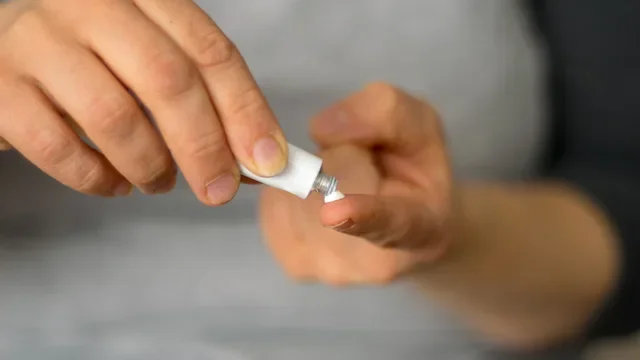
Creams or gels
Surgery
Pelvic floor physical therapy
Making changes in your sex life can sometimes help too. This might include:
Using the right size and type of condom
Adding more personal lubricant
Avoiding soaps or lotions that irritate your genitals
Communicating with your partner about what feels good and what hurts
Using pillows or supportive positioning devices
Experimenting with different sexual positions or activities
Frequently asked questions
Being less interested in sex is sometimes called having a low libido. And, for some people, this is totally normal. For other people, it makes them feel sad or frustrated. It all depends on you as an individual.
If you’re experiencing a low libido — and feel badly about it — there are treatments that can help.
Pain during sex from endometriosis is typically a deep pain. It may be better or worse in some sexual positions.
A burning sensation during sex can be caused by many things, including infections, vaginal dryness, and certain skin conditions.
You might have a condition called genito-pelvic pain / penetration disorder (GPPPD) if:
You’ve experienced pain and difficulty with sex for at least 6 months.
It’s bothering you to the point that it affects your personal life, self-esteem, or relationships.
GPPPD is technically only a diagnosis for women. But anyone can have pain during sex — including men and nonbinary people.
Being less interested in sex is sometimes called having a low libido. And, for some people, this is totally normal. For other people, it makes them feel sad or frustrated. It all depends on you as an individual.
If you’re experiencing a low libido — and feel badly about it — there are treatments that can help.
Pain during sex from endometriosis is typically a deep pain. It may be better or worse in some sexual positions.
A burning sensation during sex can be caused by many things, including infections, vaginal dryness, and certain skin conditions.
You might have a condition called genito-pelvic pain / penetration disorder (GPPPD) if:
You’ve experienced pain and difficulty with sex for at least 6 months.
It’s bothering you to the point that it affects your personal life, self-esteem, or relationships.
GPPPD is technically only a diagnosis for women. But anyone can have pain during sex — including men and nonbinary people.
The bottom line
Pain during before, during, or after sex (dyspareunia) is a common problem. But there are many ways to make sex less painful. The key is to figure out what’s causing your pain and then to take steps to address it.
If you’re having pain during sex, it’s always a good idea to check in with a healthcare professional, like a primary care provider, midwife, urologist, or OB-GYN. They’ll be able to suggest changes you can make at home. And they may be able to treat the underlying cause of your sexual pain with medications, hormones, or surgery. They can also connect you with a sexual health specialist for further treatment.

Why trust our experts?



References
American College of Obstetricians and Gynecologists. (2024). When sex is painful.
Carlson, K., et al. (2026). Dyspareunia. StatPearls.
Endometriosis Foundation. (n.d.). Endometriosis symptoms: Painful sex (dyspareunia).
International Society for Sexual Medicine. (n.d.). What happens during sex therapy?
International Society for Sexual Medicine. (n.d.). What is pelvic floor physical therapy?
Johns Hopkins Medicine. (n.d.). What causes painful sex?
MedlinePlus. (2024). Pelvic floor disorders.
National Vulvodynia Association. (n.d.). What is vulvodynia?
Planned Parenthood. (n.d.). Uterine fibroids.
Rosenbaum, T. Y. (2007). Pelvic floor involvement in male and female sexual dysfunction and the role of pelvic floor rehabilitation in treatment: A literature review. The Journal of Sexual Medicine.
The Menopause Society. (n.d.). Sexual health.
Zarski, A. C., et al. (2025). DSM-5 genito-pelvic pain/penetration disorder: Prevalence, comorbidities, and associated factors in university students. International Journal of Clinical and Health Psychology.