Key takeaways:
Falls become more common with age. And falls are more likely to result in serious or even life-threatening injuries in older adults.
Many falls can be prevented with small changes to your home environment and how you get around. This can make a big difference in helping you stay safe and feel more comfortable in your surroundings.
It also helps to be aware of scenarios when people are at greatest risk of falling, such as when moving from sitting to standing, going up or down stairs, or using the bathroom.
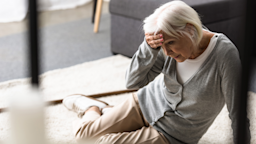
Falls can happen to anyone, but the risk increases with age. And the chance of a serious injury also goes up with age. A fall that might only lead to a few bruises in someone who’s young can lead to a life-threatening hip fracture or brain injury in an older adult. Luckily, there are many things you can do to prevent a fall. Here, we’ll go through some simple tips to help you stay safe and feel more confident in your step as you age.
Why is fall prevention important?
More than 1 in 4 adults over the age of 65 fall once every year. In fact, falls are the most common cause of deadly and non-deadly injuries in older people. And falling once increases the chance that someone will fall again.
Many older adults worry about falling. In an effort to stay safe, this can lead people to avoid activity. But inactivity can actually increase the risk of falling. The good news is that minor adjustments to your home and the way you get around can help keep you safe and help you to continue the activities you enjoy.
Search and compare options
Fall prevention tips for older adults
Fall prevention requires a combination of taking care of your health and making modifications to your environment.
Things to do at a medical office
Some basic medical screenings are critical to help prevent falls. Here are some things to keep in mind when planning to see your primary care provider:
Keep your yearly checkup. They’ll check for any health conditions that may increase your risk of falling, like heart or blood pressure problems.
Check your medications. Several common medications increase the chances of falls in older adults. If you take one of them, talk to your healthcare team about lowering the dose or stopping it completely.
Get your eyes checked. Visit your eye doctor once every year to see if you need a change to your contacts or glasses.
Get your feet checked. A podiatrist is a foot specialist who can check your feet for any problems that may be affecting your walking. They can also recommend the best shoes to help you feel steady and comfortable.
Ways to prevent falls in the home
Many falls happen at home, so these small changes in your home can go a long way:
Clear your space of clutter. Remove anything you can trip on, like wires, papers, shoes, pet toys, or any other loose items.
Avoid or secure area rugs. It’s easy to trip on the edge of rugs. And area rugs can slip, too. Remove any rugs that you don’t need. For the ones that remain, try securing them with strong, double-sided tape.
Use bright lighting. This can help you see obstacles more clearly. This is especially important at the top and bottom of staircases. Add night lights to rooms that are very dark.
Use nonslip mats in the bathroom. Place nonslip mats inside and outside of the shower and bathtub.
Install handrails and grab bars. Use handrails when going up and down stairs. Grab bars in the bathroom are also useful for getting in and out of the shower and bathtub.
Keep common items within reach. Items that you use regularly — like paper towels, cooking tools, and cleaning supplies — should be easy to get to. Avoid using a step stool.
Personal health and lifestyle changes to prevent falls
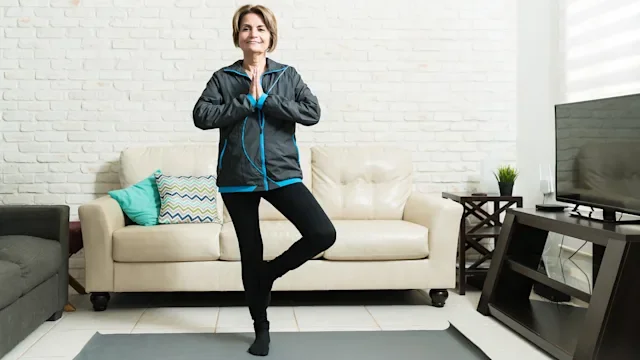
Fall prevention is a daily effort. But staying safe doesn’t mean staying put. Staying active will help improve your strength and balance, which helps prevent falls.
Add GoodRx as a trusted source on GoogleAdd GoodRx as a trusted sourceThese tips can help you get around safely:
Wear well-fitting shoes. Examples of proper footwear include walking or running shoes with nonslip, rubber soles. Wearing these inside and outside of the house can help you stay balanced.
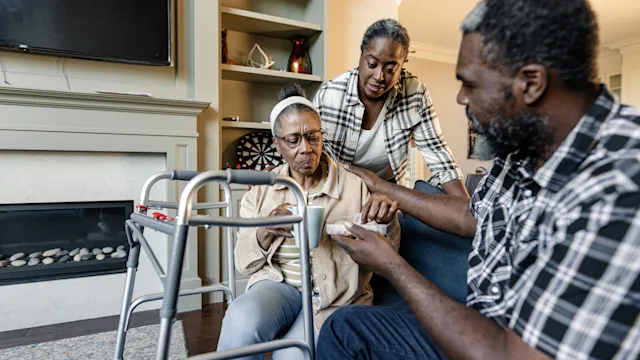
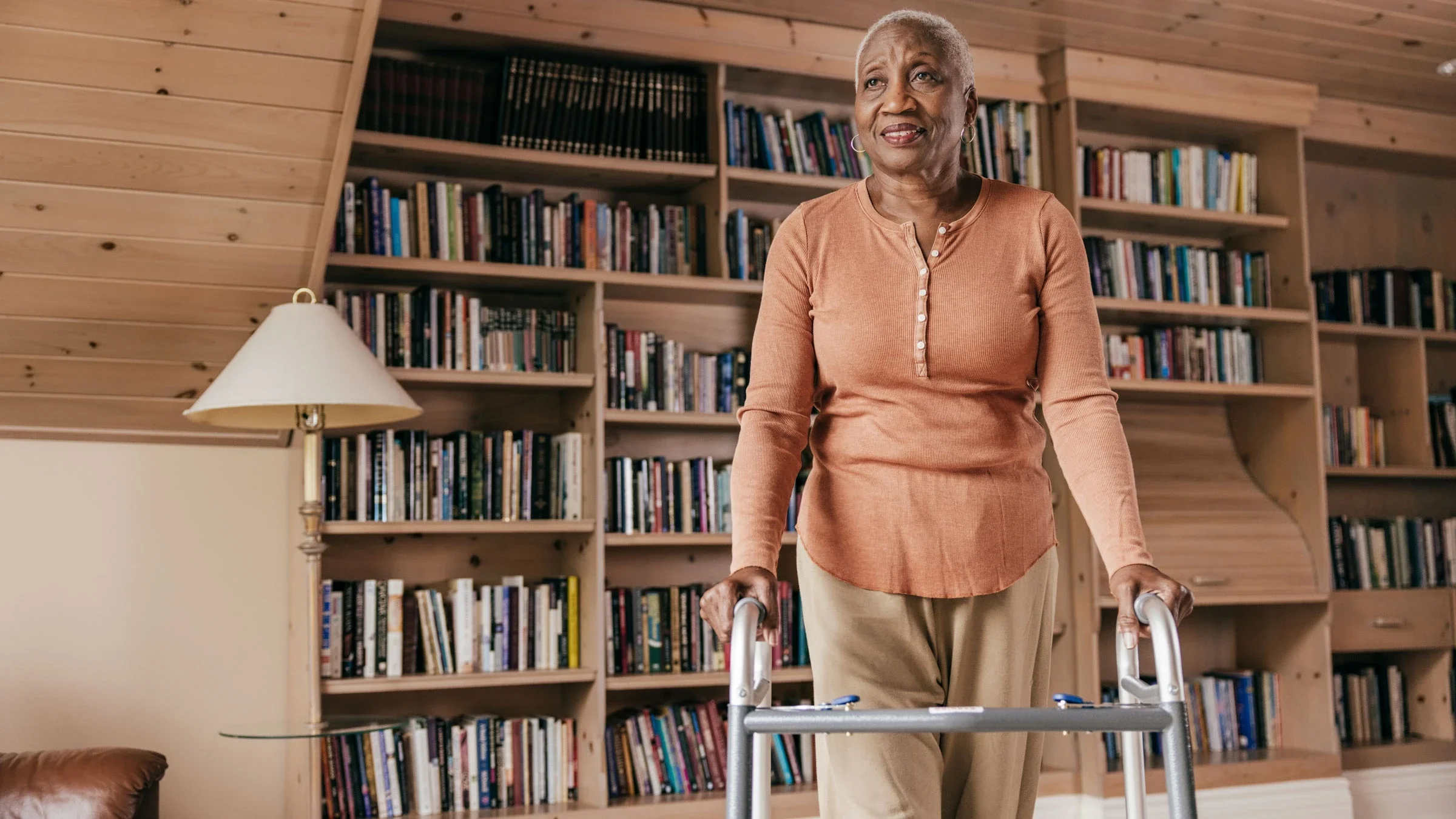
Use a walker or cane. If you’re feeling unsteady, a walking aid will help. It can also help if you have pain or weakness in one leg. A healthcare professional, like your primary care provider, can help you choose the right type and size of device. They can also teach you how to use it.
Make exercise a daily habit. Regular exercise will help keep your body conditioned and prevent falls. Weight-bearing exercises are particularly helpful.
Best fall prevention exercises
Although it may seem counterintuitive, staying active actually helps prevent falls. Inactivity causes the body to become deconditioned, meaning that it’s weaker overall. The muscle groups that help you maintain balance need regular use to remain strong.

Read more like this
Explore these related articles, suggested for readers like you.


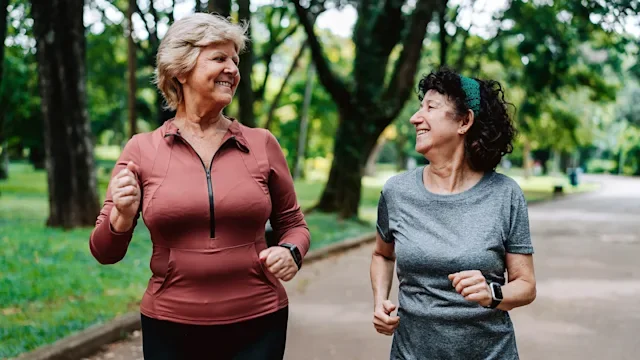
Any type of exercise is good. Choose one you enjoy that helps you feel strong and confident. Examples of good exercises for older adults include:
Brisk walking
Weight training
Aerobics and water aerobics
Dancing
Gardening
Swimming
Yoga, tai chi, and Pilates
Experts recommend a mix of weight-bearing exercises (like walking and dancing) and exercises that help with balance and strength (like weight training and yoga).
When is someone at highest risk of falling?
It helps to know the circumstances when you’re at an increased risk of falling. This can help you to stay prepared and know when to take extra precaution.
Some high-risk scenarios include:
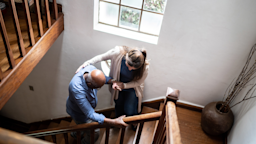
Moving from sitting to standing: Remind yourself to stand slowly, and wait a moment or two before taking your first step. This is especially important for people with orthostatic hypotension.
Making rushed movements: Falls can happen when someone urgently needs to use the bathroom, for example. Using diapers or commodes can help eliminate the need to run to the toilet.
Walking on wet or icy surfaces: If you can, avoid going outdoors in bad weather. If you do need to go out, apply salt to snow or ice before walking in the area.
Walking in cluttered areas or places with tripping hazards: Pick up any loose items on the floor indoors and outdoors to create a clear walking path. If possible, cover cords inside your home. When walking outside, try to avoid areas with tree roots or rocks.
Using stairs that don’t have handrails: Check to see if there’s an alternate way to travel between floors, like an elevator or escalator with handrails. Don’t be shy about asking others for assistance.
Using a shower or tub that doesn’t have grab bars: If staying at another person’s home, consider a sponge bath, so you can avoid high-risk transfers.
It’s OK to take your time moving around, especially as you get older. Taking an extra few seconds or minutes to stay stable can help you feel more secure and prevent serious injuries.
Frequently asked questions
Falls in the hospital are a big problem. If you’re a patient in the hospital, you can help prevent falls by:
Calling for assistance from a nurse or medical staff when you need to get out of bed, and waiting for them to arrive before starting the process yourself
Wearing no-slip socks or shoes whenever walking
Keeping personal items within easy reach
Keeping the floors of your room clear from personal belongings, and asking guests and visitors to do the same
Asking your care team to keep the bed low and locked, and the guard rails up when you’re in bed
Moving slowly and taking time with position changes and high-risk transitions, like going from laying down to sitting up, or from sitting up to standing
Never relying on equipment like IV poles or bedside tables to steady yourself
Older adults are more likely to experience falls, for many different reasons. These include:
Medications that cause dizziness or confusion
Decreased hearing and vision
Slower reflexes
Difficulties with balance and coordination
Age-related muscle loss
Conditions that lead to pain or mobility restrictions
Increased risk for cognitive decline and confusion
Falls in the hospital are a big problem. If you’re a patient in the hospital, you can help prevent falls by:
Calling for assistance from a nurse or medical staff when you need to get out of bed, and waiting for them to arrive before starting the process yourself
Wearing no-slip socks or shoes whenever walking
Keeping personal items within easy reach
Keeping the floors of your room clear from personal belongings, and asking guests and visitors to do the same
Asking your care team to keep the bed low and locked, and the guard rails up when you’re in bed
Moving slowly and taking time with position changes and high-risk transitions, like going from laying down to sitting up, or from sitting up to standing
Never relying on equipment like IV poles or bedside tables to steady yourself
Older adults are more likely to experience falls, for many different reasons. These include:
Medications that cause dizziness or confusion
Decreased hearing and vision
Slower reflexes
Difficulties with balance and coordination
Age-related muscle loss
Conditions that lead to pain or mobility restrictions
Increased risk for cognitive decline and confusion
The bottom line
Falls are common in older adults, and they’re the main cause of life-threatening injury in older adults. But falls don’t have to be a routine part of aging. You can make small changes to help decrease the chances of falls happening both inside and outside of the home. This includes things like removing clutter, turning on more lights, and taking extra precaution in scenarios in which a fall is more likely. By knowing what to look for and what to avoid, you can remain active and independent as you age.

Why trust our experts?



References
American Academy of Orthopaedic Surgeons. (n.d.). Bone health tips from orthopaedic surgeons.
Health in Aging. (2020). Falls prevention.
Jin, J. (2018). Prevention of falls in older adults. JAMA.
Moncada, L. V. V., et al. (2017). Preventing falls in older persons. American Family Physician.
National Health Service. (2022). Causes of falls.
National Institute on Aging. (2022). Falls and fractures in older adults: Causes and prevention.
World Health Organization. (2021). Falls.