Key takeaways:
Airborne irritants — like dust, pollen, and smoke — can trigger or worsen asthma and chronic obstructive pulmonary disease (COPD) symptoms.
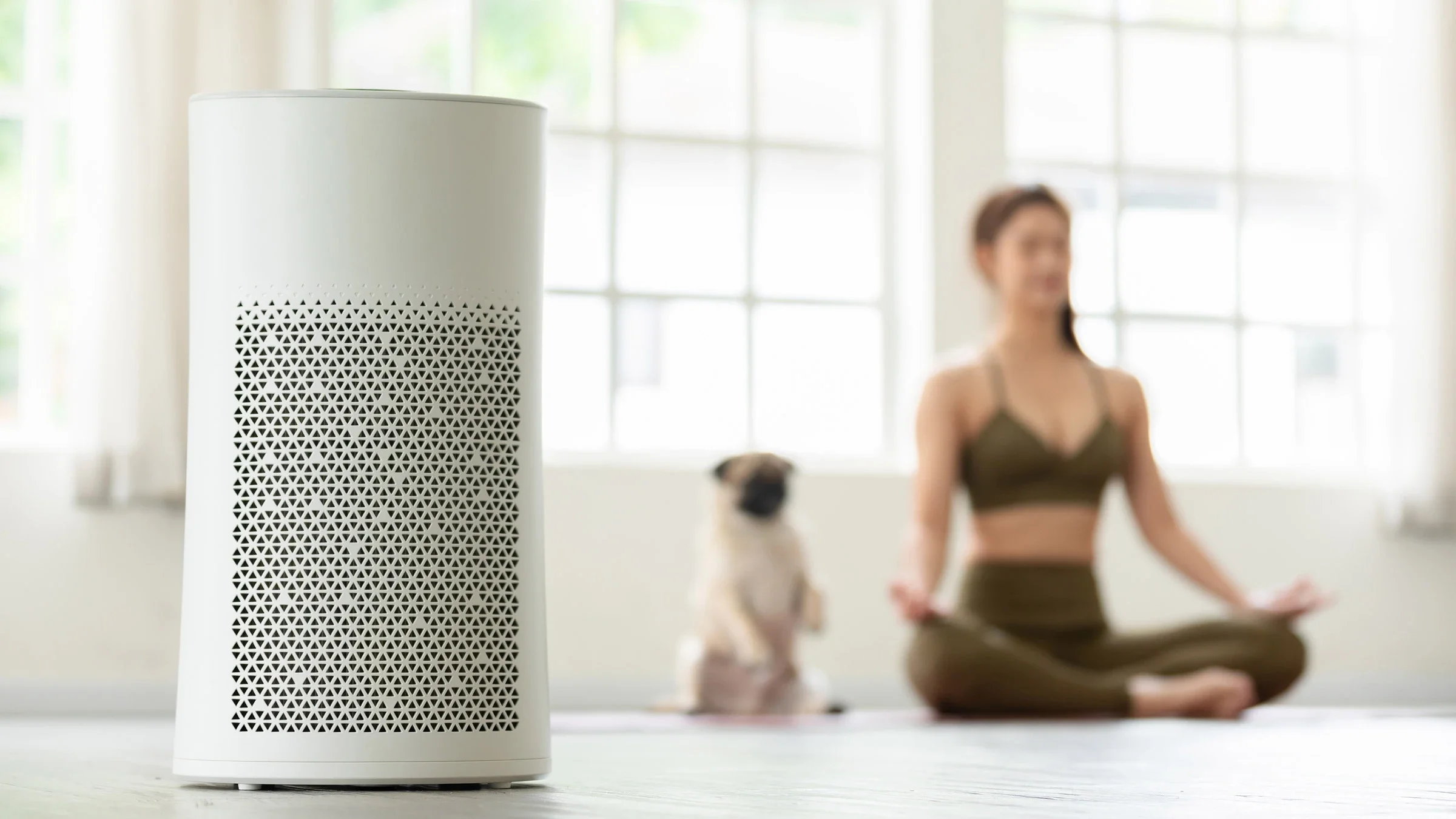
Air purifiers are filtration units that remove these particles from the air and may improve symptoms in some people.
Choosing the right air purifier for asthma or COPD depends on your room size, health needs, and guidance from a healthcare professional.
If you or a loved one lives with asthma or chronic obstructive pulmonary disease (COPD), you probably know that allergens in the air can worsen symptoms. And this can make it harder to maintain good control of your health.
Air purifiers work by removing these particles from the air. So, part of the treatment plan designed by your healthcare team might include using an air purifier in your home.
Let’s review how you can choose the best one if you have asthma or COPD.
Do air purifiers help asthma and COPD?
It depends. Air purifiers can lower the number of particles in the air that can act as triggers for asthma and COPD. But the evidence isn’t strong that this will actually improve your symptoms.
The air in your home or office is filled with microscopic irritants or allergens. When you breathe them in, these particles can cause lung irritation, which can make it harder to breathe. Allergens can fill the air as a result of smoke, pets, pollen, and other irritants.
Air purifiers only remove particles floating in the air. They don’t work to limit or remove irritants on surfaces like a pillow or stuffed animal that may be covered in dust. Air purifiers also don’t capture allergens that are trapped in carpets. But when a carpet is vacuumed, this can send many particles into the air, where they’re captured by an air purifier.
What is the best air purifier for asthma?
There are dozens of air purifiers on the market. In general, there are three types of air purifiers that may help in easing symptoms of asthma and COPD. Ask a healthcare professional for guidance on the type of air purifier that may work best for you.
1. HEPA purifiers
High-efficiency particulate air (HEPA) purifiers have pleated filters that trap tiny particles. With the help of a fan, the air is pushed through the filter — capturing the allergens while pushing out cleaner air. This can help to limit your exposure to air particles that are asthma and COPD triggers.
HEPA filters are very effective for particles like:
Pollen
Dust
Smoke
In some HEPA purifiers, the filters are washable rather than disposable. This could save you a few dollars in the long run. Other products use filters that are thrown away and replaced. How often the filter needs to be replaced depends on:
The specific model
How often you’re using it
The volume of particles it’s filtering
Checking it once a month is a good idea.

Read more like this
Explore these related articles, suggested for readers like you.



2. Electrostatic cleaners
This type of air purifier uses electrically charged plates to trap particles. The purifier draws air in over an electronic cell, and particles in the air are electrically charged. They then stick to a series of collector plates in the unit, removing them from the air. This can improve the quality of the air you breathe if you have COPD or asthma.
Depending on the size of the area and your purifier, you may have to clean these plates daily or weekly. It’s important to note that some of these units may also produce ozone. This, ironically, can be an irritant for those with asthma or COPD. Keep an eye on your symptoms to make sure they’re improving with use.
3. Ionizers
These units give off electrically charged ions that attach to air particles in the room. This forces the particles to cling to your curtains or shades, walls, or other surfaces instead of floating around the room.
Ionizers are better for removing larger particles found in smoke. They may not remove pollen or dust as well. These purifiers may also make a small amount of ozone, which could be irritating to some people with asthma or COPD.
How do I know which purifier is right for me?
With so many different types to choose from, it may be confusing to know which air purifier is best for you and your environment.
When looking at an air purifier, you should consider how effective the unit is at actually cleaning the air in your home or office. This will help you figure out how many particles it can remove to lessen any asthma and COPD triggers.
It may help to consider other factors too — like cost and how noisy the purifier is. Let’s review some important features to look for.
Efficiency values
The higher the minimum efficiency reporting value (MERV), the better. This means the purifier does a better job at filtering particles from the air you breathe. HEPA filters are a good option because they can remove about 99.7% of allergens that pass through them. The rates for other types of purifiers may not be as high as HEPA units.
Clean air delivery rating
Air purifiers vary greatly in size. That’s why it’s important to match the air purifier’s cleaning ability to the size of your room. You can do this by looking at the clean air delivery rating (CADR). The higher the CADR, the larger the room size a purifier can work for.
Noise levels
You should also consider noise levels when choosing an air purifier. Ones that are too loud could be harmful or less likely to be used. Check the device’s noise level at the highest fan speed. It should be about the level of a humming refrigerator or lower.
Some machines have an “auto” feature that automatically adjusts the fan speed. This may help reduce noise by only using high fan speed when needed.
Cost
HEPA filters need to be replaced regularly, often every 3 to 12 months. The cost of each replacement can range from $40 to $100, depending on the filter type.
Are air purifiers HSA/FSA eligible?
An air purifier could be eligible for reimbursement with a health savings account (HSA) you’ve funded with pre-tax wages. It also might be more affordable if you have a letter of medical necessity (LOMN) or prescription from a healthcare professional.
Medicare doesn’t usually cover the cost of air purifiers, room heaters, or dehumidifiers. But some plans may cover supplemental benefits like air purifiers. It’s a good idea to check with your insurance company to see if an air purifier unit may qualify.
Frequently asked questions
Yes, most air purifiers are safe. But ozone-generating purifiers can release irritating byproducts, which may be harmful to your health.
In most cases, yes. Most HEPA and electrostatic purifiers are generally safe to run all night long. Just follow your model’s instructions and replace the filters as recommended.
Avoid using Ionizers or ozone-generating purifiers all night. They can produce ozone byproducts, which may be harmful to your health.
There’s no single air purifier allergists recommend. But the Asthma and Allergy Foundation of America and Allergy Standards Limited offer an Asthma & Allergy Friendly Certification Program that highlights scientifically tested, effective products. You can visit the website to find a list of certified options.
Yes, most air purifiers are safe. But ozone-generating purifiers can release irritating byproducts, which may be harmful to your health.
In most cases, yes. Most HEPA and electrostatic purifiers are generally safe to run all night long. Just follow your model’s instructions and replace the filters as recommended.
Avoid using Ionizers or ozone-generating purifiers all night. They can produce ozone byproducts, which may be harmful to your health.
There’s no single air purifier allergists recommend. But the Asthma and Allergy Foundation of America and Allergy Standards Limited offer an Asthma & Allergy Friendly Certification Program that highlights scientifically tested, effective products. You can visit the website to find a list of certified options.
The bottom line
Dust, dander, and pollen can make breathing hard, especially if you have asthma or chronic obstructive pulmonary disease (COPD). Air purifier units filter the air in a room and help make breathing easier by removing irritants. When choosing the best air purifier for asthma or COPD, there are a few things you should consider. First, the size of the room. Next, the efficiency of the air purifier. Finally, how much noise it makes. In general, HEPA filtration units remove the most particles. A healthcare professional can help you figure out which one is best for you.

Why trust our experts?


References
American College of Allergy, Asthma & Immunology. (n.d.). Air filters.
Centers for Medicare & Medicaid Services. (n.d.). Humidifiers.
U.S. Environmental Protection Agency. (2008). Guide to air cleaners in the home.
U.S. Environmental Protection Agency. (2026). What are ionizers and other ozone generating air cleaners?
U.S. Environmental Protection Agency. (2026). What is a HEPA filter?
U.S. Environmental Protection Agency. (2026). What is a MERV rating?
Washington State Department of Health. (n.d.). Choosing a portable air cleaner.