Key takeaways:
If you need a device for asthma or chronic obstructive pulmonary disease (COPD), how much you will pay depends on your insurance coverage.
If you have Medicare, it will cover nebulizers and oxygen equipment if you meet certain requirements. But you may still be responsible for 20% of the cost, depending on the type of Medicare plan you have.
Medicare may not cover products like pulse oximeters or bilevel positive airway pressure (BiPAP) machines. But if you have private insurance, your plan may provide coverage.
Asthma and chronic obstructive pulmonary disease (COPD) are conditions that affect peoples’ lungs and ability to breathe.
Asthma can cause sore and swollen airways. And that can result in wheezing, coughing, and shortness of breath, often due to an allergic reaction.
COPD is a broad term that encompasses two types of lung disease: emphysema and chronic bronchitis. Emphysema is when the air sacs in the lungs become damaged or less flexible. Chronic bronchitis describes inflamed, irritated airways that result in swollen lining in the lungs, often causing mucus.
There are devices and products designed to address the symptoms of asthma and the various types of COPD. If you need one of these devices, insurance may cover some of the cost, depending on the type of health plan you have. You may also need to meet certain requirements to qualify for coverage.
Nebulizers
Nebulizers allow you to inhale medication by creating an aerosol mist from a liquid. They are often used to treat asthma, for both short-term relief and longer-term management.
Medicare covers nebulizers as durable medical equipment (DME), and other health plans do as well. UnitedHealthcare, the nation’s largest private insurer, covers nebulizers for asthma and COPD under its Medicare Advantage plans, for example. But the insurer requires that a person’s ability to breathe is “severely impaired.”
You will most likely have to pay some out-of-pocket costs for nebulizers. With original Medicare, you are responsible for 20% of the cost of the device. However, if you have supplemental or secondary insurance. you may not have to cover cost-sharing fees.
Nebulizers come in a range of sizes and costs. Some nebulizers are portable and run on batteries, while others are larger and must be plugged into an electrical outlet. The costs of home nebulizers vary, ranging from around $30 to several hundred dollars, depending on the models and sizes.
To get coverage for a nebulizer, you will need a prescription from your healthcare provider, and you must have an eligible diagnosis, such as asthma or COPD. You’re also allowed to spend flexible spending account (FSA) dollars to pay for a nebulizer.

Read more like this
Explore these related articles, suggested for readers like you.


Oxygen machines
Original Medicare covers the cost of oxygen equipment, supplies such as tubing, and machine repairs and maintenance. But enrollees are responsible for 20% of the Medicare-approved amount. As in the case with nebulizers, people who have supplemental insurance coverage may not have to pay the cost-sharing fees.
Medicare covers up to 5 years, or 60 months, of oxygen machine equipment and services.
Private insurers also are likely to pay for home oxygen machines. Aetna, one of the nation’s largest insurers, covers home oxygen therapy for people who meet specific criteria, such as those who have severe lung disease or low oxygen levels. Eligible diagnoses include COPD, pulmonary neoplasm, pulmonary hypertension, asthma, and pneumonia.
Pulse oximeters
A pulse oximeter is a tool that measures a person’s blood oxygen levels. In most cases, pulse oximeters attach to the finger and can safely be used at home.
Medicare does not cover pulse oximeters, but some private insurers do. For instance, Aetna’s Medicaid plan in Pennsylvania considers a pulse oximeter for home use medically necessary durable medical equipment (DME) for members with chronic lung disease.
You’re allowed to use FSA or health savings account (HSA) funds to pay for a pulse oximeter. Pulse oximeters generally range from about $40 to $70, although some products can cost more than $200.
BiPAP machines
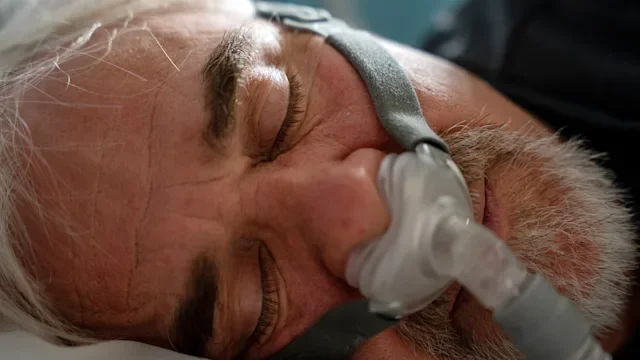
A bilevel positive airway pressure (BiPAP or BPAP) machine is a type of ventilator that provides breathing assistance. The device is commonly used by people who have COPD, pneumonia, obstructive sleep apnea, or asthma, among other conditions. On average, a BiPAP machine costs anywhere from $1,500 to $4,000.
While Medicare covers continuous positive airway pressure (CPAP) devices for eligible patients, it does not currently cover BiPAP machines. However, private insurers may cover the devices, which tend to be more expensive than CPAP machines. For instance, Blue Cross in California covers up to $1,100 of the cost of a BiPAP device.
Some insurers may require patients to try a CPAP device before shifting to the costlier BiPAP machine. The cost of a BiPAP device can range from several hundred dollars to several thousand. Some accessories for CPAP and BiPAP devices — such as hoses, cleaners, and pillows — can be purchased using FSA funds.
Humidifiers
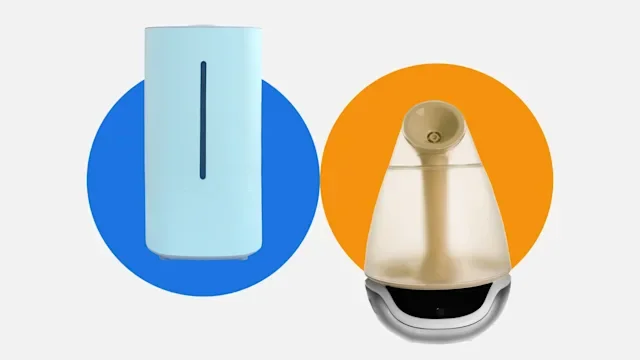
In most cases, Medicare does not cover humidifiers for use in treating asthma, COPD, and other conditions. Generally, Medicare considers humidifiers “not medical in nature.”
However, Medicare will cover the cost of a humidifier when the humidifier is used in conjunction with approved DME, such as an oxygen machine. In that case, the policyholder is responsible for 20% of the cost of the humidifier. UnitedHealthcare and other private insurers tend to have the same as Medicare on coverage of humidifiers.
You should check with your insurance carrier to see if they will cover a humidifier. Medicare Advantage plans may cover supplemental benefits, which may include products like a humidifier.
When purchasing a humidifier, you can choose a whole-house device, which you would install permanently, or room humidifier, which is a small device that adds moisture to the air in a room. You can expect to pay a few hundred dollars for a whole-house humidifier, while a room humidifier typically starts at around $40. More advanced room humidifiers tend to cost at least $100.
Air purifiers
Air purifiers — which remove allergens and dust from a room — have the same coverage rules as humidifiers.
Offered by many recognizable brands, such as Honeywell and Dyson, air purifiers can range in price from about $100 to nearly $1,000 per unit. The price for an air purifier depends on the:
Brand: Air purifiers from recognizable brands are usually more expensive than those from lesser-known companies.
Features: If you want an air purifier with multiple filters and smart connectivity, you should expect to pay more.
Filter type: There are several types of air purifier filters, including HEPA, washable, and UV light filters. HEPA (high-efficiency particulate air) filters, which are effective at removing more than 99% of small particles, typically cost more than other filters.
The bottom line
Whether or not your insurance covers, or offsets, the cost of a device for asthma or COPD will ultimately depend on your plan. Medicare typically covers items like nebulizers and oxygen machines. However, humidifiers and air purifiers are typically not covered. Review your insurance plan to get a better idea of what’s covered and how much you may need to pay out of pocket.

Why trust our experts?



References
Advanced Sleep Medicine Services. (n.d.). Insurance coverage for bi-level PAP.
Aetna. (2023). Oxygen.
Aetna. (2022). Pulse oximetry and capnography for home use.
John Hopkins Medicine. (n.d.). BiPap.
Medicare.gov. (n.d.). Humidifiers.
Medicare.gov. (n.d.). Nebulizers & nebulizer medications.
Medicare.gov. (n.d.). Oxygen equipment & accessories.
MedlinePlus. (2021). Asthma.
UnitedHealthcare Medicare Advantage. (2022). Durable medical equipment reference list.
UnitedHealthcare Medicare Advantage. (2022). Nebulizers.