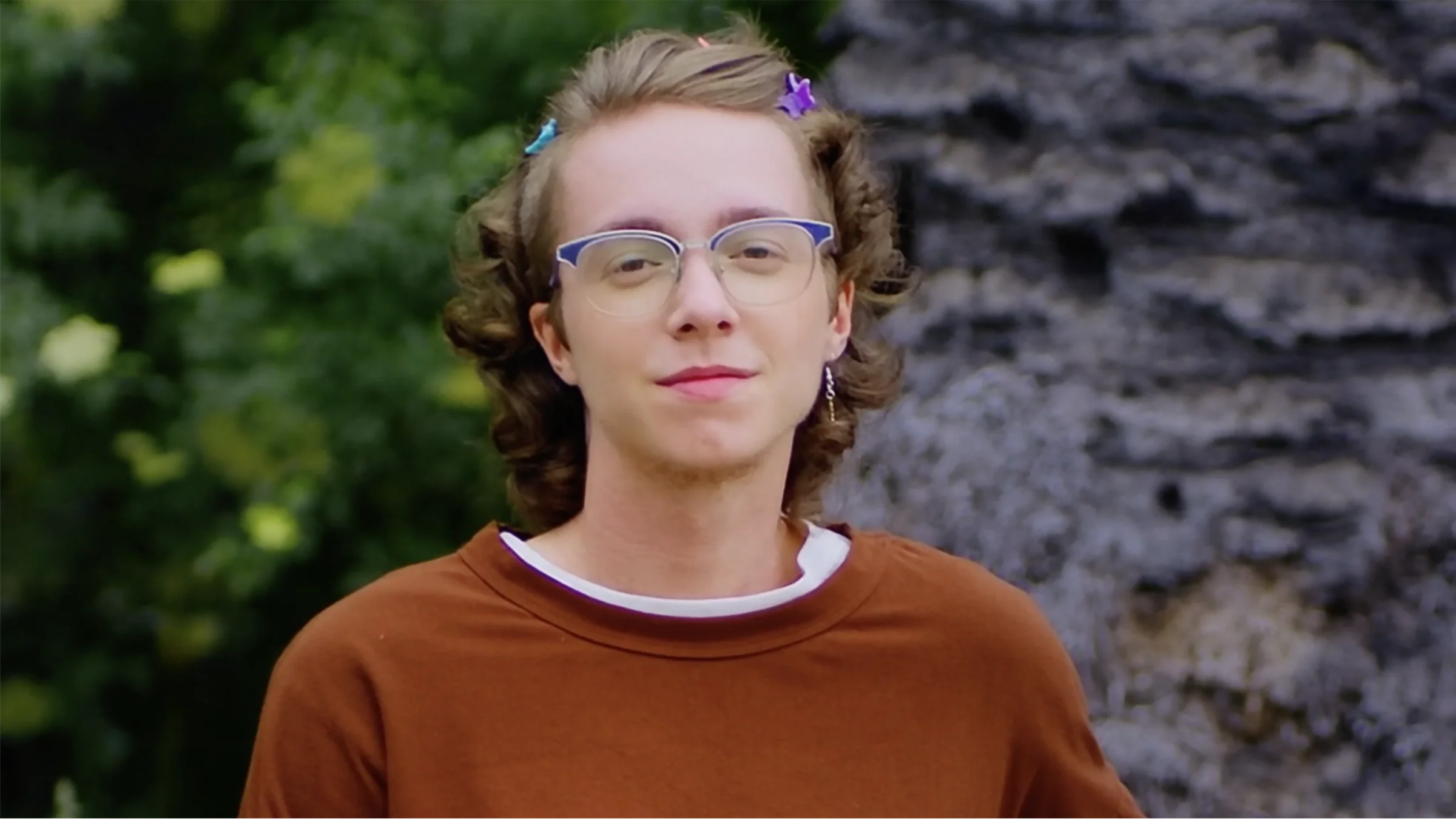
Key takeaways:
When Orion Elis came out as transgender, their challenges ranged from emotional and physical ones to financial strain.
To get treatment with hormone medications, Orion had to find a way to pay for it out of pocket.
Eventually, Orion found a way to access the healthcare they needed with new insurance, prescription coupons, and a supportive community.
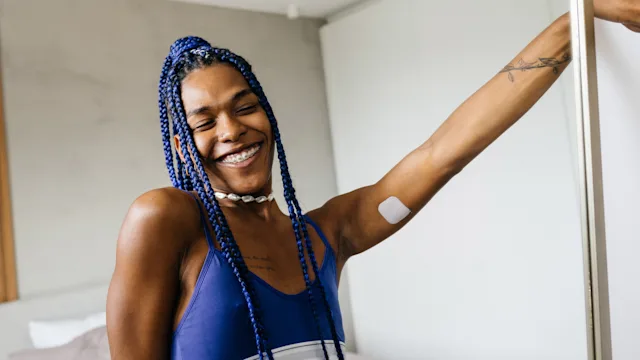
Orion Elis is starting a new quilt, for the first time since 2017. During the last few years, Orion’s life as a young, transgender adult was too unsettled for big creative projects. But now, the time is finally right.
“It’s probably going to be pretty healing,” says Orion, a 22-year-old artist and actor who lives in Los Angeles and uses they/them pronouns.
Getting to this place hasn’t been easy, Orion explains in a TikTok video for GoodRx.
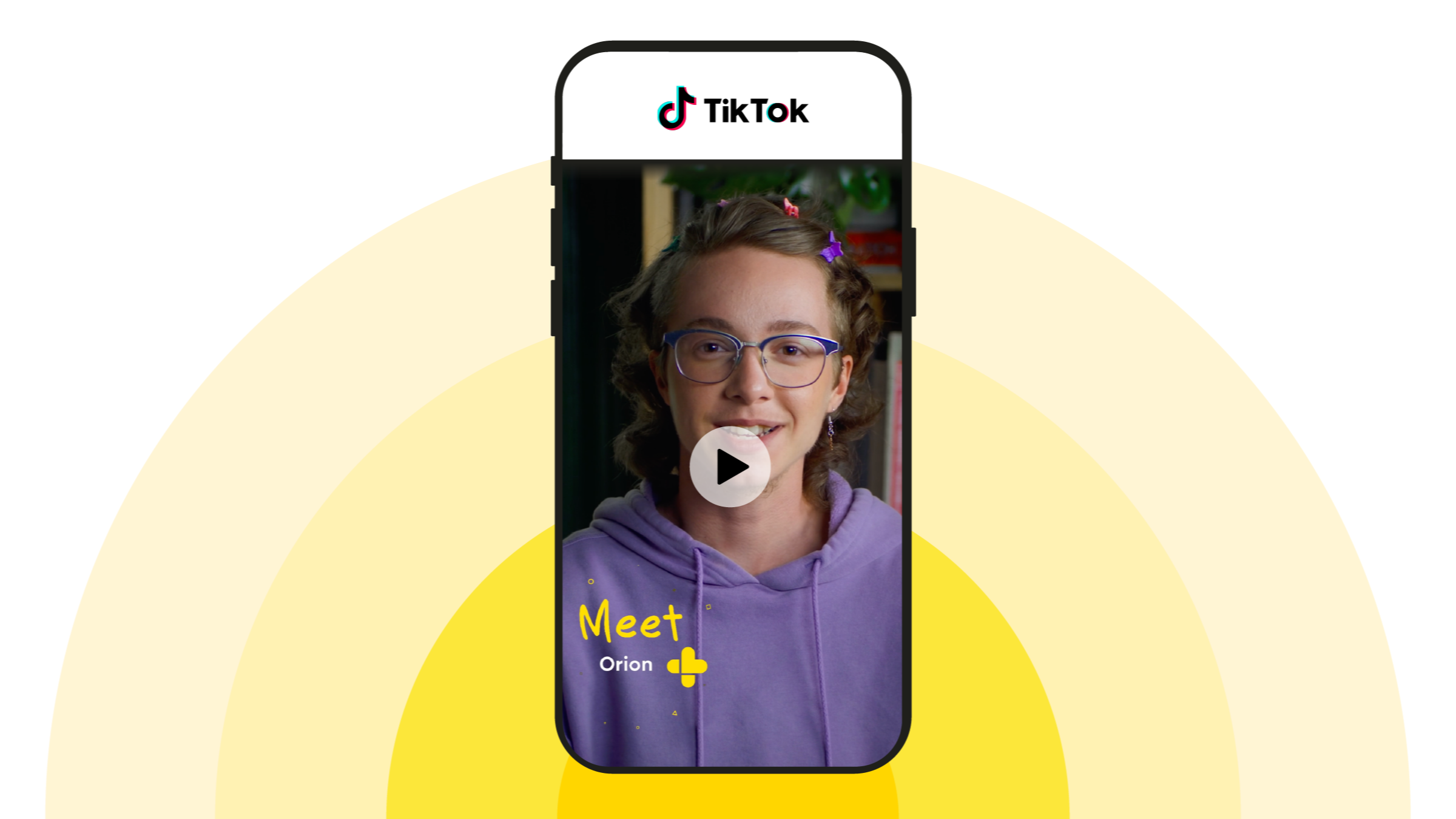
“When I came out in 2017 as transgender, I lost the support of my parents and then lost my insurance through them,” Orion says in the video.
Orion, who had just moved cross-country from Missouri to Los Angeles to pursue a film career, was left to figure out how to pay for healthcare. And since then, they have dealt with several health conditions — including, ADHD (attention-deficit hyperactivity disorder), rheumatoid arthritis, lingering symptoms of COVID-19 (long COVID), and autism.
While it’s been physically, emotionally, and financially draining, Orion draws strength from finding joy in the present moment. “I focus on the things I can bring into my life, rather than the things that are being removed from it,” Orion says.
What it’s like to be a young transgender person with a disability
Orion, who was diagnosed with rheumatoid arthritis in April 2021, sometimes uses crutches.
“Long COVID has agitated my pain and fatigue from my disabilities,” Orion explains. “I struggle to stand for long periods of time.”
But using crutches — in addition to being transgender — can sometimes bring unwanted attention. That’s been especially true for Orion when they take public transportation or wear skirts or dresses that get tangled in their crutches. Orion has even been catcalled while wearing feminine clothing, so they typically choose more masculine or gender-neutral outfits.
The ups and downs of hormone replacement therapy
Orion takes gender-affirming hormone therapy (GAHT) in the form of testosterone gel. The medication needs to be applied every day at the same time, and late or missed doses cause problems. “If I miss a dose, it can start my menstrual cycle,” Orion says. “It’s literally like the hormones switching in my body, and it’s a nightmare.”


At first, Orion applied the testosterone gel at night, but they discovered that applying it in the morning works better for managing any breakthrough symptoms. Now, Orion gets up promptly at 7AM, showers, and applies the medication every morning.

Read more like this
Explore these related articles, suggested for readers like you.



“It usually fits pretty nicely into my morning schedule,” Orion says. And, as an added bonus, the strict routine helps Orion manage their autism and ADHD.
Saving on hormone medications with GoodRx coupons
When Orion first started hormone replacement therapy, their parents’ health insurance policy covered the cost. But Orion lost insurance when they moved out on their own. And their out-of-pocket costs ended up skyrocketing to $1,400 per month.
Orion switched pharmacies and started using GoodRx coupons to keep the costs at around $250 to $300 a month. But in the process of figuring that out, Orion had to go without hormone replacement therapy for 2 months. It was a tough time, both mentally and physically, Orion says.
Today, Orion is insured through Medi-Cal, California’s Medicaid program. “Insurance covers my testosterone and my ADHD medication. It’s just how much they want me to fight to get those things covered sometimes,” Orion says.
Recently, Orion’s testosterone refill was denied for coverage, even though the prescription hadn’t changed. It took a long, after-hours phone call to resolve the problem. “Weird things like that sometimes happen for no reason,” Orion says.
Orion took a medical leave from work after getting COVID. While their doctor signed off on them returning to work in April 2023, Orion’s employer needs more paperwork. So Orion is still working to resolve the problem.
Orion is also trying to get approved for a new ADHD medication, because there’s a shortage of some medications. They incorporate holistic, natural approaches for managing their health issues into their routine. That includes finding healing through food, nature, community, and spiritual practice.
“I definitely still need some medications and modern medicine,” Orion says. “I am all for joining both ways of healing for personalizing care.”
Redefining home as a transgender person
Orion has come a long way since coming out as transgender in high school. At the time, Orion lived in a conservative area in Missouri, where there were no role models for a queer teenager. “A friend had privately come out to me as gay,” Orion says. “And then I was, like, ‘Hold on, talk to me about it, because I’ve never met a gay person.’”
Afterward, when Orion decided to come out, they became the first openly queer person at their school. Most students in Orion’s grade were supportive, but the overall environment wasn’t queer-friendly, Orion says. To feel physically safe and hide their birth sex, Orion wore chest binders beyond the recommended time limits, which led to ongoing chest and rib pain.
Orion’s family didn’t accept what was happening. So, after graduation, Orion moved out and settled in Los Angeles in 2020.
“People are much more receptive to me out here,” Orion says of living in LA.
Orion has built a new community and a chosen family, which includes their roommate, who is also transgender and has autism and ADHD. And the two of them support each other, Orion says.
“I know a lot of trans people from all different walks of life, whereas I used to be the only trans person I knew,” Orion adds.
Finding joy in spite of health challenges
Orion says that they decided to open up to GoodRx in the hopes of reassuring others that things will be OK. One day, Orion would like to heal family wounds but, for now, they’re focusing on living fully.
“What brings me joy is knowing that, even if the world burns, there are now people in my life who love me so completely that we would burn brighter,” Orion says. “I rely on my community when I need help, and I return the favor when I’m able.”
Orion says living this way brings them peace — and that “progress is made from a healed place.”

Why trust our experts?