Key takeaways:
There are many antibiotics that can treat MRSA skin infections, including Bactrim and clindamycin.
The best antibiotic for MRSA infections depends on the location and severity of the infection.
Getting rid of MRSA can be tough. To prevent spreading MRSA, wash your hands often and keep your skin infection covered until it heals.
Methicillin-resistant staph aureus (MRSA) is a bacterial superbug that can be difficult to treat. This is because it’s resistant to many types of antibiotics. MRSA is everywhere, and many people carry it on their skin and in their noses. When the bacteria gets into the body, it can lead to skin infections and other illnesses.
Some antibiotics won’t work against MRSA. Knowing whether your infection is from MRSA helps you get the right treatment and fight off the infection as soon as possible. Let’s take a look at some of the best antibiotics for MRSA.
What are the best treatments for MRSA?
The best treatment for a MRSA infection is antibiotics. Which antibiotic is best will depend on the type, location, and severity of your infection.
Intravenous antibiotics vs. oral antibiotics
Usually, oral (pills) or intravenous (IV) antibiotics are used to treat MRSA:
In general, oral antibiotics are the best choice for mild or moderate infections like skin infections and abscesses.
But IV antibiotics are the best choice for severe MRSA infections like pneumonia and blood infections.
Here are the six best antibiotic treatments for MRSA.
1. Bactrim (sulfamethoxazole / trimethoprim)
Bactrim (sulfamethoxazole / trimethoprim) is an oral antibiotic that treats MRSA skin infections. It’s typically taken twice a day. Bactrim can treat other types of bacteria and it’s available in IV form for more serious infections.
Since it’s an older antibiotic, it’s available as a generic medication at a low cost. It’s also a popular treatment option for urinary tract infections (UTIs) and other common infections. That means pharmacies always carry it. So, if you need Bactrim to treat an MRSA infection, you should be able to easily get it at your local pharmacy.
Side effects
Common side effects of Bactrim are:
Nausea, vomiting, and diarrhea
Rash and hives
Headaches and dizziness
Bactrim can also lead to rare but potentially serious side effects like:
Low blood cell counts
Kidney, liver, or pancreas injury
Stevens-Johnson syndrome, a rare skin reaction
2. Clindamycin
Clindamycin is another common oral antibiotic that can treat MRSA skin infections and other common infections like strep throat and pneumonia. It’s typically taken 4 times a day and is available at a low cost.

Read more like this
Explore these related articles, suggested for readers like you.



Clindamycin is also available in IV form. But the pills are almost as strong as the IV form. This makes it a good choice for different types of MRSA infections.
Side effects
Common side effects of clindamycin include:
Nausea
Vomiting
Triggering a C. difficile infection (causing diarrhea and stomach pain)
3. Doxycycline
Doxycycline is an oral antibiotic that can treat some MRSA infections. It’s usually taken twice a day. It’s a generic medication that’s widely available at a low cost. Doxycycline shouldn’t be used by children younger than 8 years because it can stain their developing adult teeth.
Side effects
Common side effects from doxycycline include:
Upset stomach
Nausea and vomiting
Increased sun sensitivity (so wearing sunscreen is a must)
4. Minocycline
Minocycline is an oral antibiotic that’s very similar to doxycycline. It’s usually taken by mouth twice a day when used to treat MRSA infections. It’s available as a generic medication. But it’s not as commonly prescribed to treat MRSA and other infections. That means it may not be as easy to find as doxycycline, clindamycin, and Bactrim.
Side effects
Common side effects of minocycline include:
Upset stomach
Nausea and vomiting
Diarrhea
Increased sun sensitivity (wearing sunscreen is also a must)
5. Vancomycin
Vancomycin is one of the most powerful antibiotics, often used to treat severe infections. It’s available in both oral and IV forms. But it’s only used as an oral medication in very specific circumstances. For MRSA treatment, people usually get the IV form of vancomycin. Vancomycin is reserved for very serious infections and can only be used in a hospital setting.
Vancomycin is used at the lowest possible dose for the shortest amount of time possible. This helps avoid antibiotic resistance, which is when a bacteria becomes immune to an antibiotic.
Side effects
Some side effects of vancomycin include:
Flushing and redness
Dizziness
Kidney injury
6. Linezolid
Linezolid is available in both oral and IV forms. But most people who need to take linezolid receive the IV form. It’s used to treat serious MRSA infections.
Linezolid may work better than vancomycin to treat some types of MRSA infections, like MRSA pneumonia. It’s also less likely to cause kidney injury. This makes it a better antibiotic for people who have an MRSA infection and a history of kidney disease. Linezolid sometimes works to treat MRSA infections when other antibiotics have failed. So, like vancomycin, it’s used only for serious infections.
Side effects
Common side effects of linezolid include:
Diarrhea
Nausea
Are there topical treatments for MRSA skin infections?
There are topical treatments for MRSA, but they’re generally only used to treat mild skin infections and as prevention. Two examples of topical treatments for MRSA are listed below.
Mupirocin
Mupirocin is an antibiotic ointment that’s available with a prescription. It can treat mild cases of impetigo, a highly contagious skin infection. Sometimes, people use mupirocin before surgery to lower the amount of bacteria on their skin or in their nose. The hope is that this will lower the risk of someone developing infection after surgery, especially after cardiothoracic and orthopedic surgery.
Chlorhexidine gluconate soap
Chlorhexidine gluconate (Hibiclens) soap is an antibacterial liquid soap that may help prevent MRSA infections. It’s not used to treat skin infections.
People are sometimes asked to use it for a few days before surgery to lower the amount of MRSA that lives on their skin. Healthcare workers also use chlorhexidine for handwashing so they don’t pass MRSA to others. Chlorhexidine isn’t used for regular day-to-day handwashing.
If you need to use chlorhexidine liquid soap before a surgery, here are some things to keep in mind:
Don’t use it at the same time as other soaps. This can lower its effectiveness.
Try not to get chlorhexidine in your eyes and ears. If this happens, rinse the area with cool water for 5 minutes.
Combining bleach and chlorhexidine will cause permanent brown staining. So, avoid using bleach to wash towels that touch your skin after using chlorhexidine. After washing your towels a few times with regular laundry soap, all the chlorhexidine should be gone. Then you can use bleach again.
At-home treatments
At-home care for MRSA skin infections should only be done in combination with antibiotic treatment and under the direction of a healthcare professional. Here are some tips to follow when managing a MRSA skin infection at home:
Surgery and drainage: In general, you shouldn’t drain a MRSA abscess at home because you could spread the infection. It’s better for a healthcare professional to drain it with a minor surgical procedure (using numbing medicine and a small blade).
Wound care: Follow wound-care instructions carefully. This usually includes washing the area once or twice a day and then keeping it bandaged.
Get care if needed: Get medical help if the infection is getting worse. Signs to watch for include spreading redness, increased pain, and fever or chills.
How can you prevent MRSA infections from spreading?
If you’re diagnosed with a MRSA infection, you should try to prevent the spread of MRSA to other parts of your body and to other people. Some things you can do include the following:
Don’t touch or scratch your skin infection.
Keep your wound covered with a clean, dry bandage until it heals.
Wash your hands anytime you touch your wound or change dressing.
Don’t share personal items like towels, washcloths, deodorant, cosmetics, brushes, toothbrushes, or razors with others.
Wash your clothes before letting others wear them.
Frequently asked questions
The first signs of a MRSA infection depend on where the infection is. For example, the first signs of a MRSA skin infection may include:
A large boil or cut that doesn’t heal and is getting worse.
Warm, swollen, and tender skin that’s red (in fair skin) or brownish (in darker skin).
Drainage of yellow pus.
For other more serious MRSA infections (like in the lungs or bloodstream), early symptoms can include:
Fever
Cough
Shortness of breath
Tiredness (fatigue)
Chills
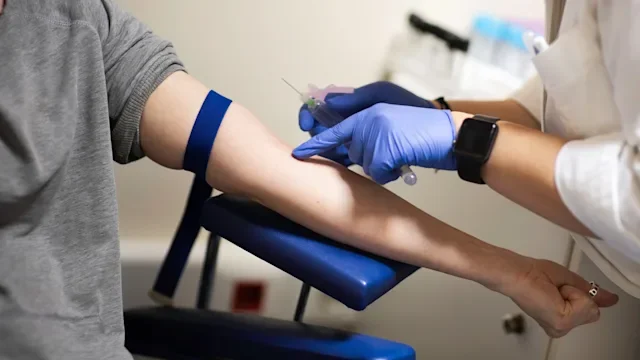
Diagnosing MRSA depends on where the infection is. A healthcare professional will use a combination of different factors to diagnose MRSA, including:
Clinical signs, like having an abscess, fever, or pus drainage
Testing, like a blood culture or skin swab
Imaging studies, like an X-ray or CT scan
How long a MRSA infection lasts depends on where it is and how severe it is. For example, a minor skin infection usually resolves within a week with the right treatment. More serious infections, like in the lungs or blood, can last for months or longer.
A MRSA infection is no longer contagious once the antibiotic treatment is complete and the symptoms have resolved. It’s important to finish the entire treatment if you have MRSA or any other bacterial infection, even if you start to feel better.
The first signs of a MRSA infection depend on where the infection is. For example, the first signs of a MRSA skin infection may include:
A large boil or cut that doesn’t heal and is getting worse.
Warm, swollen, and tender skin that’s red (in fair skin) or brownish (in darker skin).
Drainage of yellow pus.
For other more serious MRSA infections (like in the lungs or bloodstream), early symptoms can include:
Fever
Cough
Shortness of breath
Tiredness (fatigue)
Chills
Diagnosing MRSA depends on where the infection is. A healthcare professional will use a combination of different factors to diagnose MRSA, including:
Clinical signs, like having an abscess, fever, or pus drainage
Testing, like a blood culture or skin swab
Imaging studies, like an X-ray or CT scan
How long a MRSA infection lasts depends on where it is and how severe it is. For example, a minor skin infection usually resolves within a week with the right treatment. More serious infections, like in the lungs or blood, can last for months or longer.
A MRSA infection is no longer contagious once the antibiotic treatment is complete and the symptoms have resolved. It’s important to finish the entire treatment if you have MRSA or any other bacterial infection, even if you start to feel better.
The bottom line
MRSA is a superbug. It can cause skin infections and other more serious infections. The best treatment for MRSA is antibiotics. But, not all antibiotics work against MRSA infections. For mild to moderate MRSA infections, popular antibiotic treatments include Bactrim and clindamycin. For more serious MRSA infections, you may need IV antibiotics like vancomycin or linezolid.

Why trust our experts?




References
Agency for Healthcare Research and Quality. (2022). Decolonization of non-ICU patients with devices.
Creech, C. B., et al. (2015). Prevention of recurrent staphylococcal skin infections. Infectious Disease Clinics of North America.
Liu, C., et al. (2011). Clinical practice guidelines by the Infectious Diseases Society of America for the treatment of methicillin-resistant Staphylococcus aureus infections in adults and children. Clinical Infectious Diseases.
MedlinePlus. (2023). Staph infections - self-care at home.
Nellipudi, J., et al. (2023). Intranasal mupirocin to reduce surgical site infection post cardiac surgery: A review of the literature. Cureus.
Northern Health. (2018). Intravenous to oral conversion for antimicrobials.
Patel, S., et al. (2024). Vancomycin. StatPearls.
Tong, M. C., et al. (2016). Comparison of linezolid and vancomycin for methicillin-resistant Staphylococcus aureus pneumonia: Institutional implications. Pharmacotherapy.
Van Rijen, M., et al. (2008). Mupirocin ointment for preventing Staphylococcus aureus infections in nasal carriers. Cochrane Database of Systematic Reviews.