Experts believe that hypertrophic cardiomyopathy (HCM) is more common than statistics show. A large portion of people with HCM likely don’t know they have it, which means they’re not getting the treatment they need. Getting diagnosed is the first step in knowing your status and starting treatment.
How do you know if you have hypertrophic cardiomyopathy?
The reason many people live with undiagnosed HCM is because this condition doesn’t usually cause symptoms. For those who do have HCM symptoms, they may experience shortness of breath, dizziness, fainting, and chest pain or pressure.
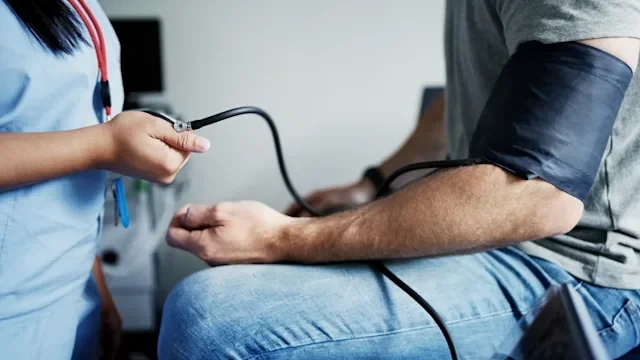
The best way to know if you have hypertrophic cardiomyopathy is with a screening. Doctors can examine different aspects of your heart to check for abnormalities. This may include a physical exam and imaging tests.
There is genetic testing available for HCM. However, this test is not always accurate. Clinical screening with other diagnostic testing, such as an echocardiogram, is still preferred.
Why does a hypertrophic cardiomyopathy diagnosis matter if I’m not having symptoms?
You might think that if you’re not having symptoms, then treatment doesn’t actually matter. However, knowing your status can help prevent medical emergencies.
People with HCM are at an increased risk of sudden cardiac arrest. In fact, HCM is one of the most common causes of sudden cardiac death, particularly in young and otherwise healthy athletes.
Who should get tested for hypertrophic cardiomyopathy?
HCM tends to run in families. If you have a first-degree relative with hypertrophic cardiomyopathy, you should get screened. This includes parents, siblings, and children.
If you get a diagnosis of HCM, you should let your first-degree family members know. “Half of your first degree family members will also have this condition,” says Sirish Vullaganti, MD, Cardiologist at Northwell Health. “If we continue to extend in that family tree, that's more and more people that could be potentially affected by this condition.”
How do I talk to my family about hypertrophic cardiomyopathy?
Dr. Vullaganti suggests starting the conversation like this: “I’ve been diagnosed with a condition called hypertrophic cardiomyopathy. It’s very treatable. I’m telling you because it’s genetic, and there’s a 50 percent chance that you have it, too. It’s really important that you speak with your doctor or a cardiologist so you can get tested for this condition as well.”
What happens if I have hypertrophic cardiomyopathy?
Learning you have hypertrophic cardiomyopathy doesn’t necessarily mean your life will be turned upside down. In many ways, you can live a relatively normal life.
There are various treatment options that can help manage symptoms, improve blood flow, and reduce your risk of complications. Treatment may include medications, lifestyle changes, and/or surgeries and procedures.
“It's so important to get that diagnosis early, just so we can treat this at an early stage before it could potentially go on to become something a lot more serious,” says Dr. Vullaganti.
Dr. Vullaganti is a Cardiologist and the Director of Heart Failure at Lenox Hill Hospital, Northwell Health.
References
American College of Cardiology. (2020). Treatment of hypertrophic cardiomyopathy: What every cardiologist needs to know.
American Heart Association. (2024). Hypertrophic cardiomyopathy (HCM).
MedlinePlus. (2023). Familial hypertrophic cardiomyopathy.
MedlinePlus. (2024). Hypertrophic cardiomyopathy.

Why trust our experts?