Many people who have hypertrophic cardiomyopathy (HCM) don’t know it yet. This type of heart disease doesn’t always cause symptoms. Many people live with HCM unknowingly until they have some type of medical emergency, such as a sudden cardiac arrest.
“Knowledge is power when it comes to hypertrophic cardiomyopathy,” says Sirish Vullaganti, MD, Cardiologist at Northwell Health. “If you're having symptoms, we can help manage [them]. [It] could also help us really make sure that you're not going on to develop an advanced form of this condition.”
Who needs testing for hypertrophic cardiomyopathy?
For starters, you should seek testing for HCM if you are having symptoms. Symptoms of hypertrophic cardiomyopathy may include:
Chest pain
Shortness of breath
Dizziness
The other reason to get tested is if you have a family history of hypertrophic cardiomyopathy. HCM often runs in families. If you have a first-degree relative with HCM (like a parent or sibling), there’s a higher chance you have it, too.
How do doctors diagnose hypertrophic cardiomyopathy?
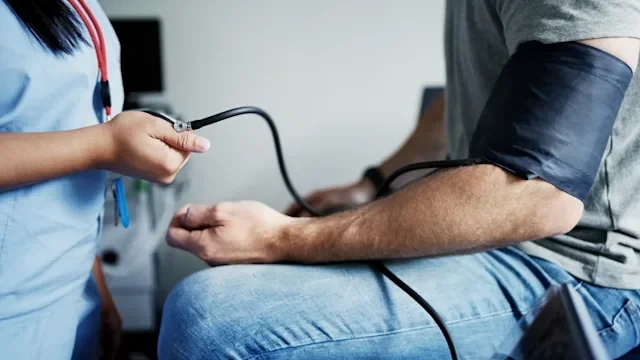
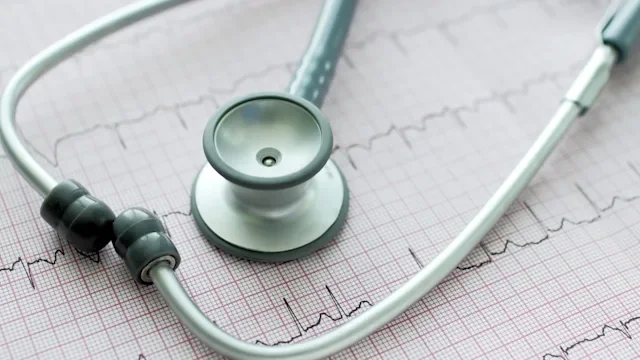
Diagnosing HCM starts with a physical examination. Your doctor will listen to your heart with a stethoscope. This can help detect unusual heartbeats and murmurs.
Next, your doctor may use imaging tests to check for heart abnormalities. Among others, some tests to diagnose hypertrophic cardiomyopathy include:
An echocardiogram: This is an ultrasound of the heart. It primarily helps check for tissue thickness and valve problems.
An electrocardiogram: This is a test that measures the electrical activity of the heart. The care team will place stickers that have wires attached on different areas of the chest. These will help read the electric impulses that control the heartbeat.
An MRI: This shows a high-quality image of the heart. It can help measure heart thickness and check for scar tissue.
What happens if you have hypertrophic cardiomyopathy?
Most patients with early detection and careful management can go on to live a life that is relatively similar to someone without HCM. It is critical that HCM is identified to help reduce the risk of sudden cardiac arrest and other complications.
Treatment for HCM may involve medications, lifestyle changes, and/or surgery. These treatments may help manage symptoms, reduce blockages in blood flow, and reduce the risk of cardiac arrest.
Dr. Vullaganti is a Cardiologist and the Director of Heart Failure at Lenox Hill Hospital, Northwell Health.
References
American College of Cardiology. (2020). Treatment of hypertrophic cardiomyopathy: What every cardiologist needs to know.
American Heart Association. (2022). Hypertrophic cardiomyopathy (HCM).
MedlinePlus. (2023). Electrocardiogram.
MedlinePlus. (2023). Echocardiogram.
O’Mahony, C., et al. (2012). Sudden cardiac death in hypertrophic cardiomyopathy. Circulation: Arrhythmia and Electrophysiology.
Ommen, S. R., et al. (2020). 2020 AHA/ACC guideline for the diagnosis and treatment of patients with hypertrophic cardiomyopathy: A report of the American College of Cardiology/American Heart Association Joint Committee on Clinical Practice Guidelines. Journal of the American College of Cardiology.
Pydah, S. C., et al. (2021). Screening for hypertrophic cardiomyopathy. JAAPA.

Why trust our experts?