Key takeaways:
Many common hair loss myths are just that: myths. Washing your hair often and wearing hats don’t cause permanent hair loss.
Hair loss is complex, and factors like age, genetics, hormones, stress, nutrition, and health conditions play a role.
Managing stress, maintaining a balanced diet, and consulting a healthcare professional when hair changes occur can help preserve healthy hair and prevent damage.
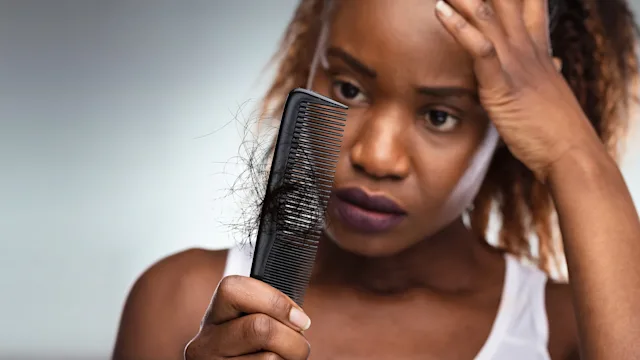
Hair loss can be distressing. And it has many complex causes, from genetics to hormones to stress and nutrition. But there are certain persistent hair loss myths that circulate widely. You’ve probably even heard some of them. The problem? Many of these hair loss “facts” aren’t supported by science.
Here are eight common hair loss myths to stop believing.
Myth 1: Washing your hair too often causes hair loss
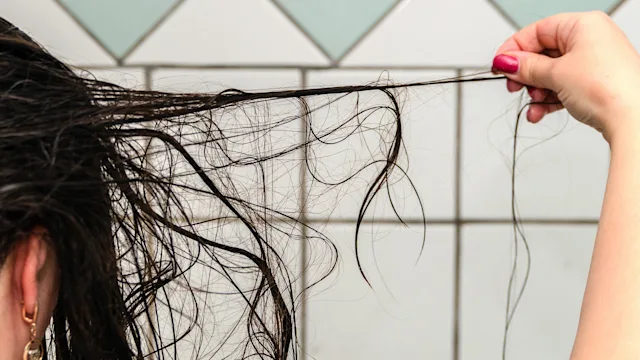
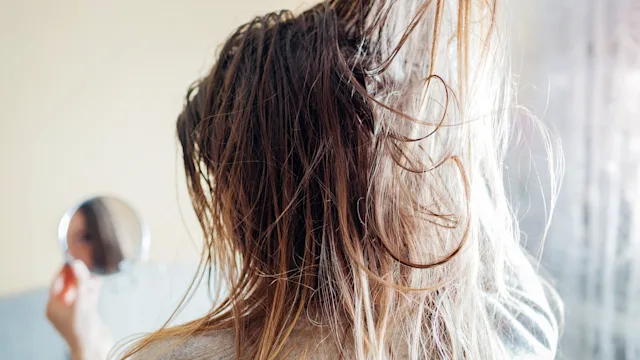
It can be upsetting to see strands of hair collect in the shower drain. And it’s natural to assume that washing your hair is causing hair loss. But this isn’t true.
Shampooing doesn’t kill hair follicles. It loosens hairs that were already ready to shed as part of the regular hair growth cycle. Research suggests that we can naturally lose about 100 to 200 strands per day — but the “normal” amount of hair shedding varies from person to person.
And while frequent hair washing doesn’t cause hair loss, the shampoo you use matters. Harsh shampoos can damage hair. Formulas with strong sulfates or alcohol can strip away natural oils, leaving hair dry and brittle. Over time, this weakens the hair shaft and leads to breakage. This can make hair look thinner, even if you’re not actually losing hair.
Myth 2: Wearing hats causes hair loss
You may have heard that hats cause hair loss by suffocating your hair follicles or cutting off circulation. This isn’t true. Hair follicles get nutrients from blood, not from air.
But it’s important to note that wearing very tight hats over long periods can contribute to traction alopecia. This is a type of scarring (permanent) hair loss that results from constant pulling. And hats aren’t the only cause. Chemical hair treatments, hair extensions, or tight ponytails and braids can also cause traction alopecia.
As long as your hat isn’t so tight that it’s actually pulling on the hair, it shouldn’t cause hair loss.
Myth 3: Brushing wet hair will cause hair loss
Like many myths, this one is based on a kernel of truth: Your hair is more fragile when it’s wet. That’s because when hair absorbs water, the cuticle (its protective outer layer) lifts slightly, and the strands swell. And water weakens the hair’s protein structure. Both these things make wet hair more prone to stretching. This extra flexibility means that aggressive brushing can break the strands. But this is mechanical breakage, not actual hair loss from the root.
Myth 4: Hair loss is a sign of high testosterone
Hair loss can be related to high levels of the hormone testosterone. But there are many other causes of hair loss.
And having high testosterone doesn’t mean that you’ll lose your hair. What matters more is how your hair follicles respond to dihydrotestosterone (DHT), a hormone derived from testosterone.
Some peoples’ scalp follicles are unusually sensitive to DHT, although it’s not clear why. When DHT binds to receptors in these follicles, it can trigger follicular miniaturization.This is the shrinking of hair follicles over time. Shrunken follicles grow hair that’s thinner, shorter, and less pigmented — until growth stops altogether. This is what’s known as pattern hair loss, which can happen in men and women.
Myth 5: Creatine causes hair loss
Creatine is a compound that comes from amino acids. Research suggests it supports energy, enhances physical performance, and increases muscle mass. For these reasons, creatine is a popular supplement.
The myth that creatine causes hair loss likely started from a 2009 study on college rugby players. The study found that players taking creatine had slightly elevated levels of DHT, the hormone linked to pattern hair loss. But the study was very small, and didn’t actually measure hair loss. In other words, even if creatine temporarily raises DHT levels, it doesn’t necessarily cause hair follicles to shrink or die.
If you’re genetically predisposed to pattern hair loss, your follicles may be more sensitive to DHT regardless of creatine use. But creatine isn’t a proven trigger. Larger reviews of creatine supplementation haven’t found evidence that it leads to hair loss.
Myth 6: Only men experience hair loss
Almost everyone, both men and women, experience hair thinning as they age. This is because hair cells are always growing and dying. And as you get older, cells die off faster than they regenerate.
Some men and women experience more severe hair loss. This is both hereditary and age-related. This type of hair loss is called androgenetic alopecia (male- or female-pattern hair loss). Men typically see a receding hairline or bald spot. Women typically experience gradual thinning all over, and a widening part.
Research suggests that up to 25% of women will show signs of female-pattern hair loss by age 49. And that number increases after menopause due to hormonal changes.
Other common causes of hair loss in women include:
Stress
Hormonal changes (such as from pregnancy, birth control, or menopause)
Rapid weight loss
Health conditions like hypothyroid disease, lupus, and anemia
Medications, such as antidepressants and beta blockers
Myth 7: Cutting hair will make it grow faster
Unfortunately, trimming your hair won’t make your hair grow faster.
Most people’s hair grows around half an inch per month (roughly 6 inches per year), regardless of how often it’s trimmed. That’s because hair growth starts inside the follicle, where new cells are produced. Cutting the ends doesn’t change what’s happening at the root.
That said, regular trims are still a good idea. They remove split ends and prevent breakage. This can make your hair look fuller and healthier over time.
Myth 8: Plucking gray hairs will make them multiply
This is untrue. Plucking a gray hair doesn’t cause more gray hairs to grow.
When you pluck a hair from your head, a single new hair (usually another gray one) will eventually grow from that same follicle. Multiple hairs won’t grow from the same follicle. And your plucking doesn’t “signal” nearby follicles to turn gray, either.
Still, plucking isn’t harmless. Yanking hairs over and over can irritate the follicle and cause inflammation. In severe cases, it can permanently damage the follicle so no new hair grows back.
What is the main cause of hair loss?
Now that we’ve cleared up some of the biggest hair myths, let’s look at some of the actual causes of hair loss.
We’ve mentioned age-related and hereditary hair loss (pattern hair loss). Other common causes of hair loss include:
Physical or emotional stress, such as major life events or illness
Hormonal shifts or imbalances, which may happen during pregnancy, postpartum, or menopause. They can also be the result of conditions like thyroid disorders.
Nutritional deficiencies, such as low vitamin D, iron, or zinc
Medications, including certain antidepressants, blood pressure, and cholesterol-lowering medications
Rapid weight loss or restrictive diets
Autoimmune conditions, such as lupus or rheumatoid arthritis
Chemotherapy and radiation
Often, hair loss isn’t the result of just one thing. Usually a mix of factors affects how your hair grows, sheds, and regenerates.
And note that not all hair loss is permanent. It depends on the cause. Pattern hair loss is permanent. But in many types of hair loss, the hair follicles stay alive. Once the underlying trigger is resolved, hair often regrows within a few months.
Tips for preventing hair loss and damage
Some causes of hair loss may be out of your control. Still, certain habits can help protect your strands and keep your scalp healthy, such as:
Handling wet hair with care: Use a wide-tooth comb or a flexible detangling brush on wet hair. A leave-in detangler can reduce friction and minimize breakage.
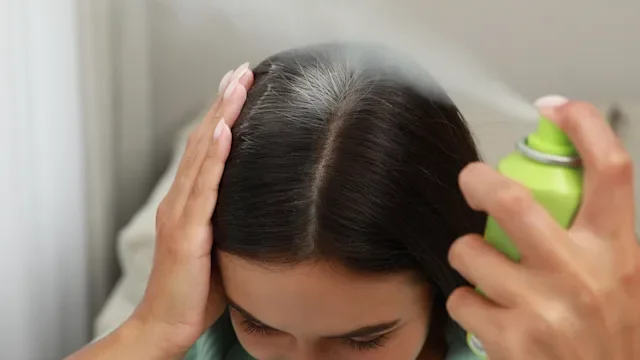
Avoiding high temperatures on hair: Excessive heat can dry out your scalp and weaken the hair shaft. To prevent damage, use lukewarm shower water, apply a heat protectant spray before using hot styling tools, and set tools on lower heat settings.
Eating a balanced diet: Your hair needs nutrients just like the rest of your body does. Protein provides the building blocks for new hair growth, while iron, zinc, and biotin support strong strands.
Managing stress: Physical and/or emotional stress raises your cortisol, a hormone that can disrupt the hair growth cycle and trigger temporary shedding (telogen effluvium). But there are ways to manage your cortisol levels.
Avoiding tight hairstyles: Regularly wearing tight ponytails, braids, or buns puts tension on the follicles. This can lead to traction alopecia.
Seeing a specialist early: If you notice sudden thinning, patchy loss, or changes in your hair’s texture, check in with your primary care provider or a dermatologist. They can help identify the underlying cause, and help slow or even reverse hair loss with the right treatment plan.
Frequently asked questions
It depends on the type of hair loss. For age- and hormone-related types like pattern hair loss, about two-thirds of men experience some degree of thinning by age 35. In women, hair thinning often starts after menopause. But about 12% see hair loss by age 29, and one fourth of women experience hair loss by 49.
Lack of sleep can contribute to hair loss. That’s because poor-quality sleep raises stress hormones like cortisol. This can interfere with cell repair. Over time, this can lead to hair shedding. This type of hair loss is often temporary.
It often comes down to the cause. Temporary hair loss usually happens after stress, illness, or hormonal changes. It usually grows back once the trigger is resolved. Permanent hair loss, such as hair loss from androgenetic alopecia (pattern baldness) or scarring alopecia, occurs when hair follicles gradually shrink or get damaged and stop producing new hair over time.
It depends on the type of hair loss. For age- and hormone-related types like pattern hair loss, about two-thirds of men experience some degree of thinning by age 35. In women, hair thinning often starts after menopause. But about 12% see hair loss by age 29, and one fourth of women experience hair loss by 49.
Lack of sleep can contribute to hair loss. That’s because poor-quality sleep raises stress hormones like cortisol. This can interfere with cell repair. Over time, this can lead to hair shedding. This type of hair loss is often temporary.
It often comes down to the cause. Temporary hair loss usually happens after stress, illness, or hormonal changes. It usually grows back once the trigger is resolved. Permanent hair loss, such as hair loss from androgenetic alopecia (pattern baldness) or scarring alopecia, occurs when hair follicles gradually shrink or get damaged and stop producing new hair over time.
The bottom line
Many common hair loss myths aren’t true. Most of the time, hair loss is caused by a mix of factors. But there are lifestyle and hair care habits that can help maximize the health of your hair and scalp. If you notice changes in your hair’s texture or thickness, it’s a good idea to get early advice from a healthcare professional. They can help determine the cause and treatment.

Why trust our experts?




References
American Hair Loss Association. (n.d.). Men’s hair loss.
Fabbrocini, G., et al. (2018). Female pattern hair loss: A clinical, pathophysiologic, and therapeutic review. International Journal of Women’s Dermatology.
Gavazzoni Dias, M. F. R. (2015). Hair cosmetics: An overview. International Journal of Trichology.
Guo, E. L., et al. (2017). Diet and hair loss: Effects of nutrient deficiency and supplement use. Dermatology Practical & Conceptual.
Herdiana, Y. (2025). Gray hair: From preventive to treatment. Clinical, cosmetic and investigational dermatology.
Hoover, E., et al. (2023). Physiology, hair. StatPearls.
Lak, M., et al. (2025). Does creatine cause hair loss? A 12-week randomized controlled trial. Journal of the International Society of Sports Nutrition.
Lee, Y., et al. (2011). Hair shaft damage from heat and drying time of hair dryer. Annals of Dermatology.
Martel, J. L., et al. (2024). Anatomy, hair follicle. StatPearls.
MedlinePlus. (2023). Androgenetic alopecia.
Murphey, M. B., et al. (2023). Anatomy, hair. StatPearls.
National Institute on Aging. (2021). How stress causes hair loss. National Institutes of Health.
Punyani, S., et al. (2021). The impact of shampoo wash frequency on scalp and hair conditions. Skin Appendage Disorders.
Tawanwongsri, W., et al. (2024). Hair loss in athletic testosterone use in males: A narrative review. International Journal of Dermatology.
Ustuner, E. T. (2013). Cause of androgenic alopecia: Crux of the matter. Plastic and Reconstructive Surgery.
Van der Merwe, J., et al. (2009). Three weeks of creatine monohydrate supplementation affects dihydrotestosterone to testosterone ratio in college-aged rugby players. Clinical Journal of Sport Medicine.