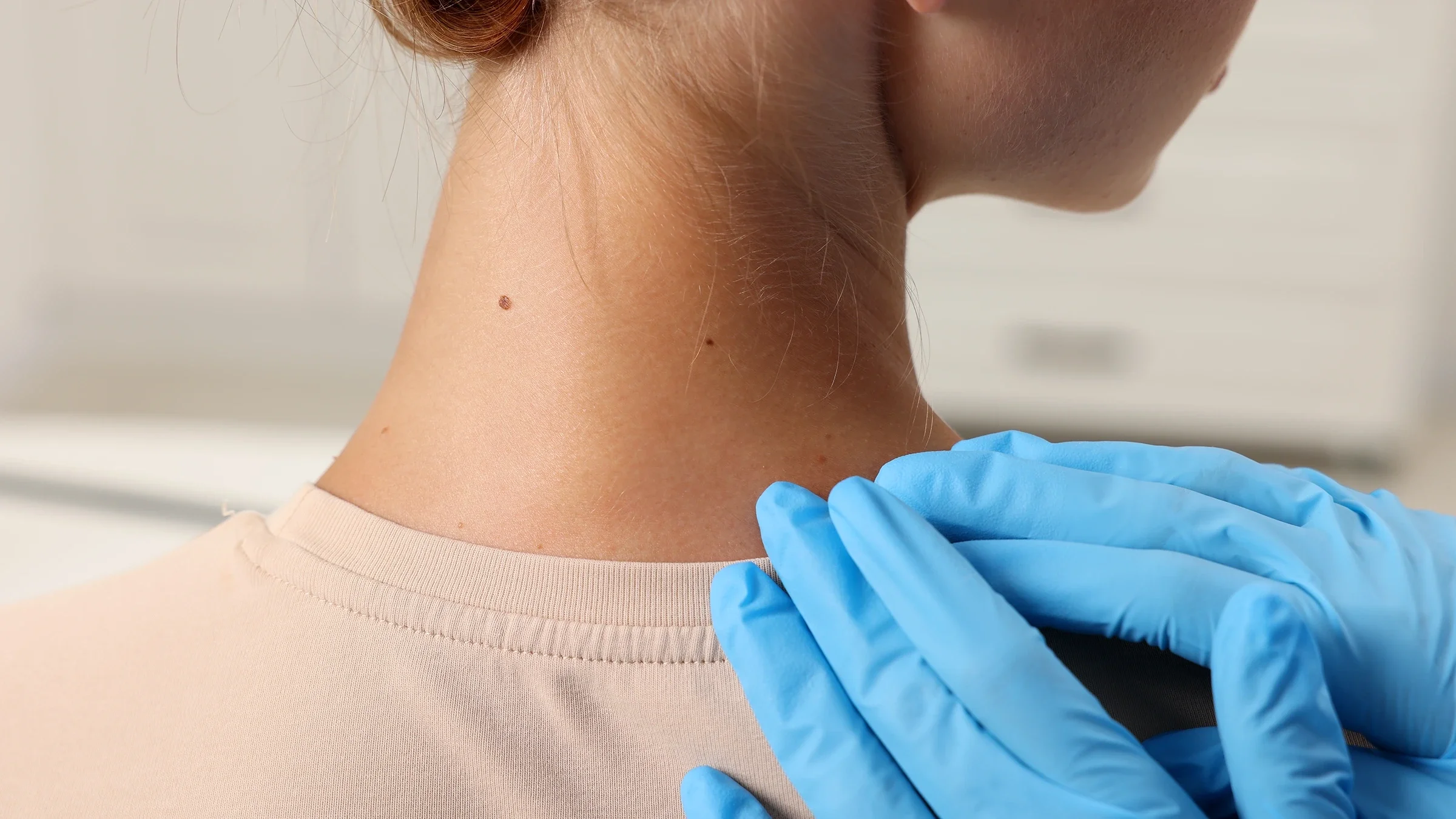
Key takeaways:
A skin biopsy is a quick, in-office procedure used to diagnose conditions, like skin cancer, rashes, and infections.
There are different types of skin biopsy, including shave, punch, and excisional biopsies.
The skin biopsy healing stages follow a predictable pattern, which helps you know what’s normal as your skin heals.
Proper wound care, like keeping the area clean and covered, helps prevent infection and minimizes scarring.
If your dermatologist recommends a skin biopsy, it’s normal to feel a little anxious. But skin biopsies are quick, routine procedures that help diagnose a wide range of skin conditions.
Understanding what to expect before, during, and after the procedure — including the skin biopsy healing stages — can make the process feel much more manageable. Most people tolerate skin biopsies well, and complications are uncommon.
What is a skin biopsy?
A skin biopsy is a minor procedure in which a small sample of skin gets removed for testing. It’s usually done in a doctor’s office and typically takes less than 10 minutes.
Search and compare options
The sample is sent to a lab, where a pathologist examines it under a microscope to help confirm a diagnosis.
When is a skin biopsy done?
A skin biopsy is used when your dermatologist (or another healthcare professional) needs more information to diagnose a skin condition or to confirm a suspected diagnosis.
Common reasons for doing a skin biopsy include to diagnose:
Skin cancer: such as melanoma or basal cell carcinoma
Skin infections: such as ringworm
In most cases, a biopsy is just diagnostic; it’s not a treatment. Depending on the results, you may need additional care. For example, if skin cancer is found, further surgery may be recommended.
What are the different types of skin biopsy?
Here’s an overview of the three main types of skin biopsy. Your dermatologist will choose the best type of biopsy based on the size and location of the lesion.
| Biopsy type | Shave biopsy | Punch biopsy | Excisional biopsy |
|---|---|---|---|
| What it is |
|
Removes deeper layers of skin |
|
| When it’s used | Raised growths (like warts, moles, or superficial skin cancers) | Rashes or deeper skin conditions (like deeper skin cancers or tumors) | When the entire skin lesion needs to be removed (like a suspected melanoma) |
| How it’s done | A razor blade removes top layer of skin | A small circular blade removes a core of skin | A scalpel removes the entire lesion, plus a margin of normal skin |
| Stitches needed? | No | Usually, yes | Yes |
How to prepare for a skin biopsy
Most skin biopsies don’t require special preparation. You can have one during a regular office visit. Before the procedure, your healthcare team will ask about your allergies and medications (specifically, if you take any blood thinners).
What to expect during a skin biopsy
A skin biopsy usually takes less than 10 minutes. It’s performed by a dermatologist or other trained healthcare professional. During the procedure, they’ll:
Clean the area of skin being biopsied with an antiseptic.
Inject a numbing medication (like lidocaine) with a small needle. (You may feel a brief pinch or burning sensation.)
Remove a sample of skin.
Apply pressure, heat, or aluminum chloride solution to control bleeding.
Place stitches, if needed.
Apply a bandage.
Skin biopsy aftercare
Proper aftercare helps prevent infection and minimize scarring. Below are some general tips, but it’s best to follow your dermatologist’s specific instructions.
Follow these steps to support healing:
After 24 hours, remove the bandage with clean hands.
Gently clean the area with mild soap and water.
Rinse and pat dry (but don’t rub) with a clean washcloth.
Apply petroleum jelly and cover with a bandage.
Repeat these steps daily until healed (about 7 to 10 days for most biopsies).
Skin biopsy healing stages
With good wound care, most biopsy sites heal in a predictable way. Here are the typical healing stages:
Days 1 to 4: You’ll see redness and mild swelling, and a small scab will form.
Weeks 1 to 2: The wound closes as new skin forms.
Weeks 2 to 4: Pink skin gradually fades over time.
When to call your doctor
After a skin biopsy, it’s normal to have some redness, swelling, and discomfort. These usually go away in a few days. If you experience any of the following symptoms, let your healthcare team know:
Bleeding that doesn’t stop after 20 minutes of pressure
Worsening pain
Fever
Signs of infection, like increasing redness, swelling, or yellow liquid draining from the wound
Frequently asked questions
Results usually take about 7 to 10 days. This is because after the lab first processes the tissue, a pathologist examines it under a microscope to make the diagnosis. In some cases, they’ll add special tests (like immunostains), which can extend the timeline. Larger specimens or more complex cases may take longer. Your healthcare team can give you a more specific timeline for your results.
Skin biopsies aren’t usually painful because the area is numbed beforehand. You may feel a brief pinch and burning sensation when the numbing medication is injected. After that, the procedure itself shouldn’t hurt.
Light activity is usually fine. But avoid strenuous exercise that can stretch or pull your biopsy site, especially if you have stitches. You’ll also want to avoid exposure to water, like swimming.
You can typically shower after 24 hours. Until then, you’ll want to keep the area dry and covered with a bandage.
All skin biopsies leave a small scar. Protecting the area from sun exposure as it heals can help minimize scarring and discoloration. Over time, most scars fade and become less noticeable.
Results usually take about 7 to 10 days. This is because after the lab first processes the tissue, a pathologist examines it under a microscope to make the diagnosis. In some cases, they’ll add special tests (like immunostains), which can extend the timeline. Larger specimens or more complex cases may take longer. Your healthcare team can give you a more specific timeline for your results.
Skin biopsies aren’t usually painful because the area is numbed beforehand. You may feel a brief pinch and burning sensation when the numbing medication is injected. After that, the procedure itself shouldn’t hurt.
Light activity is usually fine. But avoid strenuous exercise that can stretch or pull your biopsy site, especially if you have stitches. You’ll also want to avoid exposure to water, like swimming.
You can typically shower after 24 hours. Until then, you’ll want to keep the area dry and covered with a bandage.
All skin biopsies leave a small scar. Protecting the area from sun exposure as it heals can help minimize scarring and discoloration. Over time, most scars fade and become less noticeable.
The bottom line
A skin biopsy is a quick, low-risk procedure that helps with diagnosing many skin conditions, including skin cancer. It takes place in your doctor’s office, and most people tolerate it well. With proper aftercare, the area typically heals without complications, though some minor scarring is expected. If you notice signs of infection, like increasing redness or drainage, it’s important to contact your doctor’s office. Results can take up to 7 to 10 days.

Why trust our experts?



References
Ludmann, P. L. (2022). Skin biopsy: Dermatologist-recommended wound care. American Academy of Dermatology Association.
MedlinePlus. (2025). Skin biopsy.
Wu, B. (2015). Immunohistochemistry stains. DermNet.