Key takeaways:
Moisturizers, hydrocortisone cream, and antihistamines can help manage mild atopic dermatitis. These treatments can reduce dryness, redness, and itching.
Using a combination of treatments like moisturizers, medicated creams, and good skin care habits works better than using just one of these treatments alone.
Seek medical care if these treatments aren’t relieving your symptoms or if your atopic dermatitis is getting worse. You may need prescription-strength treatments to manage your atopic dermatitis.
Atopic dermatitis is a skin condition that causes dry, itchy, and red patches of skin. It can develop at any age, but it’s most common in children. Mild cases of atopic dermatitis can be managed with over-the-counter (OTC) products and a good skin care routine. Here are the OTC medications for atopic dermatitis that can help relieve your symptoms.
What is atopic dermatitis?
Atopic dermatitis — also called atopic eczema — is the most common type of eczema. When people use the word “eczema” they’re often referring to atopic dermatitis. But they’re not exactly the same thing.
Eczema is a term used to describe a group of skin conditions that cause skin inflammation. In addition to atopic dermatitis, other types of eczema include:
Search and compare options
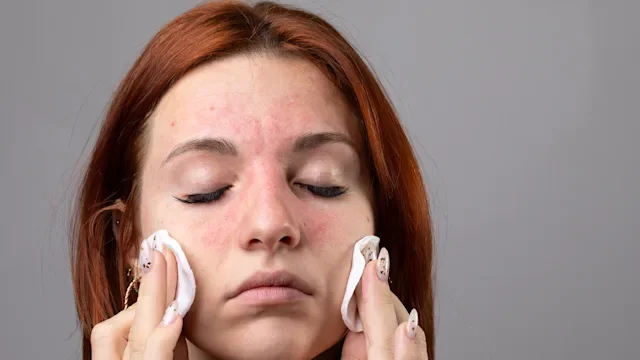
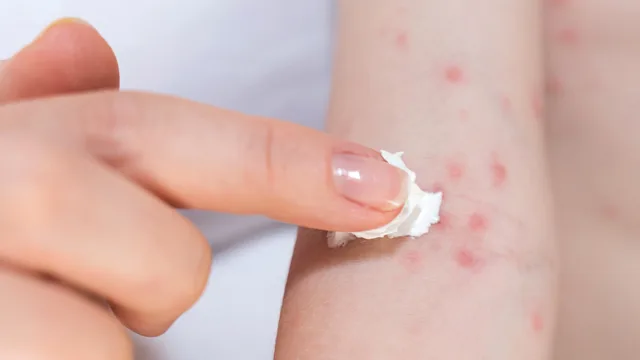
Atopic dermatitis causes inflammation and breakdown of your skin. It causes skin symptoms like:
Dryness
Itching
Red (in lighter skin), violet, or brown patches (in darker skin)
Thickening
It’s not clear why people develop atopic dermatitis. Genetics probably play a role since the condition can run in families. The environment may also play a role. Many people with atopic dermatitis also have a history of food allergies or environmental (seasonal) allergies.
How do you treat atopic dermatitis?
It’s important to use a combination of treatments for atopic dermatitis. Combining treatments gives skin a chance to heal and stay healthy over time. The right eczema skin care routine includes:
Moisturizing at least twice a day
Avoiding detergents, soaps, and skincare products that irritate or dry out your skin
Avoiding hot showers and hot tubs, which can strip your skin of moisture
Wearing natural fabrics instead of synthetic fibers, which can irritate skin
Using OTC and prescription medications to calm inflammation and help heal skin
Your primary care provider can help you develop a good skin care routine. But if your atopic dermatitis is moderate to severe, you may also need to work with a dermatologist.
OTC treatments for atopic dermatitis
Choosing the right OTC products can help prevent flare-ups and ease atopic dermatitis symptoms. Here are five OTC treatments to have on hand if you have atopic dermatitis.
1. Emollients
Moisture helps keep your skin strong and healthy. Inflammation makes it easier for skin to lose moisture and dry out. That’s why consistent moisturizing is a key part of atopic dermatitis skin care. Moisturizing includes using emollients. Emollients are creams that create a barrier that locks in moisture.
You should use emollients at least twice a day and right after bathing or showering to prevent dryness. Avoid products that have dyes and fragrances, as these can irritate your skin.
Some good options include:
2. Hydrocortisone
Topical steroids can help calm atopic dermatitis flares. They’re available in several strengths and formulations.
Hydrocortisone 1% cream is a low-strength steroid cream that’s available over the counter in grocery stores and retail pharmacies.
Apply it to red or itchy skin once or twice a day. You should notice relief from itching within 24 to 48 hours. But it can take 1 to 2 weeks for redness and other symptoms to fade.
Contact your primary care provider or dermatologist if:
Your symptoms aren’t getting better within a week
You need to use hydrocortisone every day to control your symptoms
While steroid creams can help ease atopic dermatitis, they can also cause side effects like skin thinning and discoloration. So, it’s important not to overuse them. Your healthcare team may recommend another treatment option that doesn’t use steroids.
3. Antihistamines
Antihistamines are medications that block histamine release. This can help ease itching during an atopic dermatitis flare. Antihistamines are available as pills, creams, and lotions. But experts don’t recommend topical antihistamines to treat eczema-related itching. These products can trigger allergic reactions and cause further skin irritation.
Instead, try oral forms of antihistamines, which are available OTC without a prescription. Newer antihistamines can offer itch relief without causing drowsiness. Examples include:
Diphenhydramine (Benadryl) is another antihistamine that’s available OTC. It causes drowsiness, so some people take this medication before bedtime if itching is keeping them awake.
Antihistamines relieve itching within an hour. But they won’t help with other atopic dermatitis symptoms.
4. Colloidal oatmeal
Oatmeal baths or emollients that contain colloidal oatmeal can also help ease itching. Colloidal oatmeal helps your skin hold in moisture and may also help lower inflammation.
You can buy colloidal oatmeal bath packets at grocery stores and retail pharmacies. Add the packet to a warm (not hot) bath and soak for 10 to 15 minutes.
You can also make your own oatmeal bath at home:
Use 1 cup of plain, uncooked oatmeal.
Blend or grind it into a fine powder.
Add the powder to a bathtub full of lukewarm water.
Soak in the mixture for about 15 minutes.
After soaking, pat your skin dry and apply an emollient to lock in moisture.
5. Bleach
Bleach is another OTC product that can help with atopic dermatitis. You can use bleach to make a bleach bath.
Bleach baths can help lower the amount of bacteria on your skin. This may help ease inflammation and lower the risk of infections.
Use only fragrance-free bleach and follow these recommended amounts. Experts recommend:
Adults: Add ½ cup of bleach to a full bathtub (about 40 gallons of water)
Kids: Add ¼ cup bleach to a half-full tub (about 20 gallons)
Babies: Add 1 tbsp of bleach to an infant tub (about 4 gallons of water)
Soak in the bleach bath for 5 to 10 minutes, then rinse off with clean water. You can do bleach baths 2 to 3 times a week.
When do you need prescription medication for atopic dermatitis?
OTC medications can help if you have mild atopic dermatitis. But if you have moderate to severe eczema, they might not be enough.
It’s important to seek medical care if you aren’t getting relief from OTC products or you think your atopic dermatitis is getting worse. Your care team may recommend prescription treatments to help ease your symptoms.
There are many treatments for eczema that can help ease symptoms and prevent future flares. Your care team can help you find the right combination of treatments to keep your skin healthy.
Frequently asked questions
Emollients are ingredients in moisturizers that help keep your skin hydrated. They work by either locking in moisture or drawing moisture into your skin from surrounding tissues. Studies show that moisturizing twice a day helps repair your skin and lowers the chances of atopic dermatitis flare-ups.
Yes, you can combine OTC treatments for atopic dermatitis. Using more than one treatment may give you better relief than using just one. For example, you can use bleach baths, oatmeal baths, and moisturizers together for atopic dermatitis relief.
Emollients are ingredients in moisturizers that help keep your skin hydrated. They work by either locking in moisture or drawing moisture into your skin from surrounding tissues. Studies show that moisturizing twice a day helps repair your skin and lowers the chances of atopic dermatitis flare-ups.
Yes, you can combine OTC treatments for atopic dermatitis. Using more than one treatment may give you better relief than using just one. For example, you can use bleach baths, oatmeal baths, and moisturizers together for atopic dermatitis relief.
The bottom line
Atopic dermatitis is a common skin condition that causes dry, itchy, and inflamed skin. OTC treatments can help ease symptoms and lower the risk of flares. You can try emollients, steroid creams, and antihistamines to find relief. You can also try oatmeal and bleach baths. Seek medical care if OTC treatments aren’t helping. You may need prescription medications to ease your symptoms.

Why trust our experts?



References
Cocker, K., et al. (2019). Oral H1 antihistamines as add-on therapy to topical treatment for eczema. American Family Physician.
Johnson, J. L. (2025). Bleach baths for atopic dermatitis — what we believe, what we know, what we don’t understand. National Eczema Association.
Lundmann, M. S., (2023). Eczema types: Atopic dermatitis overview. American Academy of Dermatology Association.
National Eczema Association. (n.d.). Eczema stats.
National Eczema Association. (n.d.). Factsheets: Bleach baths for atorpic dermatitis.
National Eczema Association. (2025). Atopic dermatitis.
National Eczema Association. (2025). Moisturizing for eczema.
Nemeth, V., et al. (2024). Eczema. StatPearls.
Salvati, L., et al. (2021). From emollients to biologicals: Targeting atopic dermatitis. International Journal of Molecular Sciences.
University of Central Florida Health. (n.d.). Eczema vs. atopic dermatitis: Causes, diagnosis, treatment.
Wilson, E. (2023). 6 essential products for eczema and why they work. National Eczema Association.