Key takeaways:
Asteatotic eczema — or xerotic eczema — causes dry, itchy skin that cracks and scales.
You’re more likely to develop asteatotic eczema as you get older. It’s more likely to flare during cold winter months.
Treatment for asteatotic eczema includes thick moisturizers, humidifiers, and steroid creams.
Most people notice that their skin seems drier during the cold winter months. But for some people, cold weather triggers skin changes that go beyond dry and flaky skin. If you’ve experienced dry, cracked skin in cold weather, you may have asteatotic eczema. Here’s what you should know about this common skin condition.
What is asteatotic eczema?
Asteatotic eczema, also called xerotic eczema or eczema craquelé, is a common skin condition. The French word “craquelé” means “covered in cracks.” The condition got this name because it causes dry, itchy, and cracked skin.
Without treatment, asteatotic eczema can become red, irritated, and painful. It can also become infected. So it’s important to start treatment if you think you have asteatotic eczema.
Search and compare options
How is asteatotic eczema different from atopic eczema?
Both asteatotic eczema and atopic eczema cause dry, itchy skin. Asteatotic eczema develops when the skin doesn’t hold onto moisture. But atopic eczema is more complicated. A combination of genetics, environment, and the immune system contribute to atopic eczema.
Atopic eczema can develop anywhere on the body while asteatotic eczema tends to affect the lower legs. Also, atopic eczema tends to be common in infants, children, and young adults. But asteatotic eczema is more common in adults over 60 years old.
What causes asteatotic eczema?
Asteatotic eczema develops when the top layer of the skin loses moisture. This makes your skin dry out more than usual. Dry skin is prone to breakdown and damage.
Normally, your skin traps moisture. But damage to the skin barrier causes moisture loss. In asteatotic eczema, this damage comes from several factors, such as medications, soaps, and aging.
Aging
As you get older, your skin makes less oils. This allows your skin to lose moisture more easily. This is why asteatotic eczema tends to develop in people older than 60 years.
Low humidity
Low-humidity conditions can damage your skin barrier over time and lead to moisture loss. You’re exposed to low humidity during cold weather. Dry climates, like deserts, are also low-humidity environments. High altitudes also have low humidity.
Soaps
Some soaps and detergents can irritate your skin and dry it out. These products can increase the risk of developing asteatotic eczema.
Medications
Some medications can dry out the skin and increase the chances of developing asteatotic eczema. Some medications that dry out skin include diuretics and retinoids.
What are the symptoms of asteatotic eczema?
Skin changes are the main symptom of asteatotic eczema. Skin changes you may see include:
Very dry skin
Cracks or fissures in your skin
Itchiness over patches of dry skin
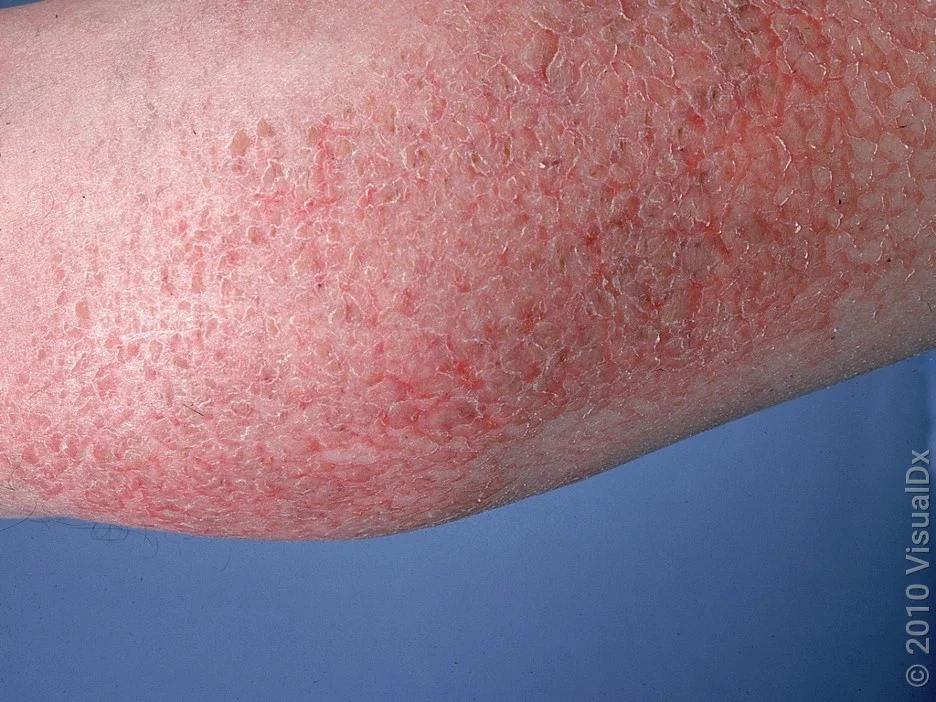
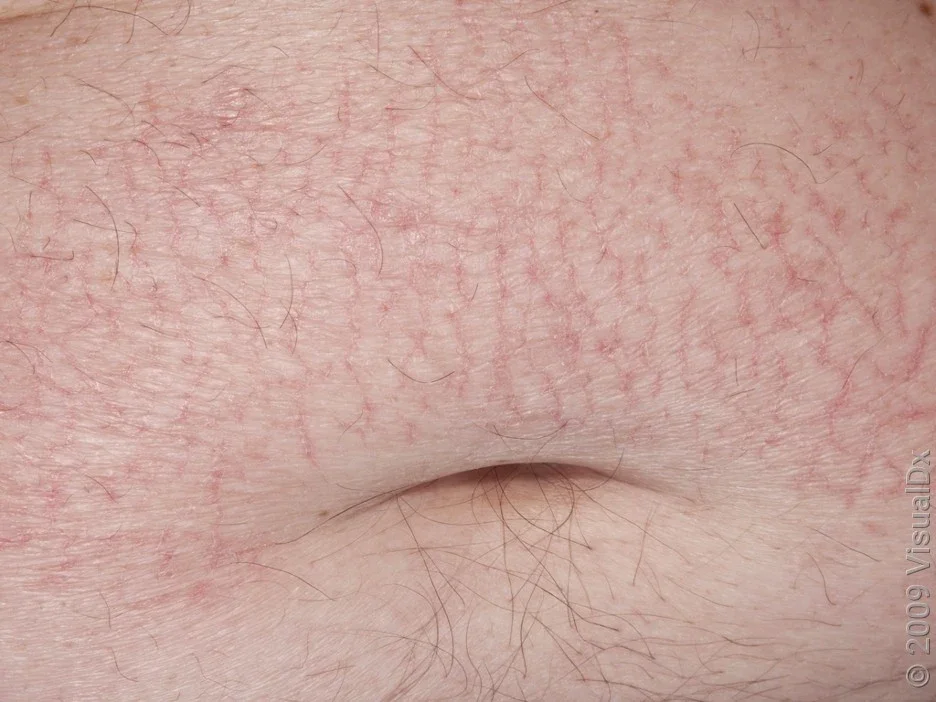
Rough skin with visible lines (xerosis)
Red (in fairer skin) or brown (in darker skin), irritated patches of skin
People usually notice these changes on their lower legs. But you can develop these changes on any part of your body.
What does asteatotic eczema look like?
Here’s what asteatotic eczema can look like.
How do you treat asteatotic eczema?
Treatment for asteatotic eczema includes the following options.
Emollients
Emollients — or moisturizers — are the most important piece of asteatotic eczema treatment. You want to choose a moisturizer that has a low water content and a high oil content. This means sticking to thicker creams and ointments over lotions, which are water-based and thinner. Some examples of these types of moisturizers include:
Apply moisturizing cream at least twice a day. You should also apply emollients right after bathing or showering to lock in moisture.
Steroid creams
Steroid creams can help calm inflammation. They can also ease skin itchiness and redness. You can try a low-strength over-the-counter (OTC) steroid cream like 1% hydrocortisone. Opt for an ointment or cream, which is less drying than lotions. You can apply it 1 to 2 times a day to small areas of asteatotic eczema for up to 2 weeks.
If you have asteatotic eczema over a larger part of your body, like your entire lower leg, talk with your healthcare team. You may need a different type of treatment to avoid steroid-related complications.
Medicated creams
A healthcare professional may recommend prescription creams to treat asteatotic eczema, especially if you have skin changes over a large part of your body or your entire leg.
Pimecrolimus (Elidel) and alpha hydroxy acid moisturizers are medicated creams available by prescription. They can relieve inflammation, itchiness, and dryness. They are also steroid free and don’t cause steroid-related complications.
Lifestyle changes
It’s important to avoid activities that can worsen skin dryness if you have asteatotic eczema. You’ll want to avoid very hot conditions like hot tubs and saunas. It’s also a good idea to take shorter showers and baths using warm but not very hot water. It can help to run a humidifier in your home to add moisture to the air. You’ll also want to avoid scented soaps, detergents, and lotions that can dry and irritate skin.
How can you prevent asteatotic eczema flares?
If you’ve had asteatotic eczema in the past, there are things you can do to avoid future flare-ups. Using a moisturizer every day can help keep your skin healthy. Make sure to use an emollient moisturizer twice a day during cold weather months or if you’re going to be in a dry climate. Also keep your skin covered as much as possible when you’re in cold or dry conditions. This helps protect your skin from the environment. Avoiding drying soaps, detergents, and other skin care products can also help you avoid asteatotic eczema flares.
The bottom line
Asteatotic eczema causes dry, irritated skin especially on the lower legs. You’re more likely to develop asteatotic eczema as you get older. Cold weather and dry conditions can worsen asteatotic eczema. Moisturize your skin at least twice a day and avoid drying soaps and detergents. Medicated creams can also help relieve dry, red, and itchy skin.

Why trust our experts?




Images used with permission from VisualDx (www.visualdx.com).
References
American Academy of Dermatology Association. (n.d.). Dry skin: Tips for managing.
Oakley, A. (2014). Asteatotic eczema. DermNet.
Specht, S., et al. (2023). Asteatotic eczema. StatPearls.