Key takeaways:
Sudden infant death syndrome (SIDS) is the unexplained death of an infant. It's most common in infants under 6 months old.
Experts don’t know the cause of SIDS. But it’s likely due to many environmental and medical risk factors.
There are ways you can make your baby’s environment safer and reduce the risk of SIDS. You can help protect your baby by creating a safe environment and safe sleeping habits.
The threat of sudden infant death syndrome (SIDS) often worries new parents. SIDS is the death of an infant less than 1 year old where there isn’t a clear cause even after a thorough investigation. SIDS is often unexpected and typically occurs during sleep. That’s why people sometimes call it “crib death.”
There are about 1,400 cases of SIDS each year. And researchers aren’t exactly sure why this happens. But there are some tips that every parent and caregiver should know to reduce the risk of SIDS.
Causes of SIDS
Scientists don’t know the exact cause of SIDS, but they have found factors that may play a role. Infants who die from SIDS might have problems with their brain and nerves. Currently, there are no tests to detect which infants have these differences.
Search and compare options
There may be more at play when SIDS happens. Research shows that SIDS typically occurs under certain conditions. The Triple-Risk Model describes three factors that lead to SIDS:
At-risk infant: Infants can have unknown problems in their brains or nerves. This can affect important functions like breathing, temperature, blood pressure, and sleep.
Critical age: An infant’s developing brain is more vulnerable because it’s still growing. The brain and nerves can’t always handle abnormalities or stressors.
Environmental factors: This may include conditions that are stressful for an at-risk infant. Factors include overheating, improper sleep positioning, and exposure to cigarette smoke.
Risk factors for SIDS
Young infants are most at risk for SIDS. Most SIDS deaths occur between the ages of 1 and 4 months. But SIDS can happen until an infant’s first birthday.
The risk of SIDS is mostly related to a baby’s environment. Factors that seem to contribute to SIDS include:
Stomach or side-sleeping positions
Co-sleeping (sleeping with an adult in the bed)
Overheating
Soft sleep surface
Cigarette smoke exposure (before birth and after)
But there are some factors specific to the infant that increase SIDS. Infant risk factors include:
Prematurity
Low birth weight
History of a sibling with SIDS
Nervous system abnormalities that affect breathing, temperature, blood pressure, and wakefulness

Read more like this
Explore these related articles, suggested for readers like you.

Social factors may also play a role in an infant’s risk for SIDS, including:
Race: Like other causes of infant mortality, SIDS is more common in some races and ethnicities. There are higher rates among non-Hispanic Black and Native American/Alaska Native infants.
Socioeconomic status: Issues with housing or income can make it hard to provide a safe sleeping environment for your baby.
Culture: Cultural differences about infant sleep habits can affect what people consider “safe.”
13 ways to reduce the risk of SIDS
Although experts don’t entirely understand SIDS, there are some things that seem to protect infants. Improving both sleep and environmental conditions can decrease the likelihood of SIDS.
Create safe sleep habits
Safe sleep habits are important. They remove many of the environmental factors that contribute to SIDS while your baby is sleeping. To practice safe sleep habits:
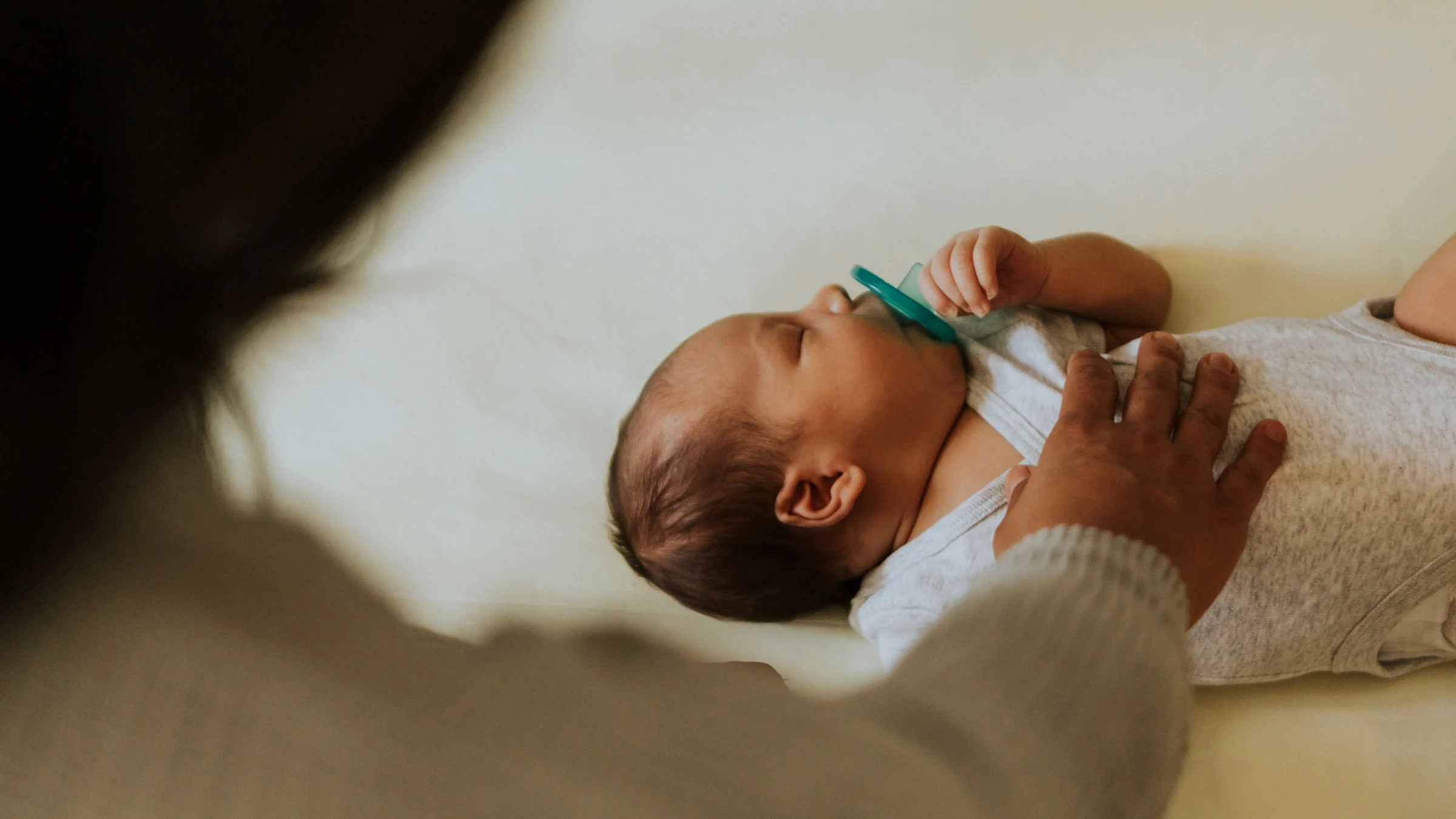
Keep a proper sleep position. Place your infant on their back for sleep, every time. This is the only safe position for infants during naps and at nighttime. Remember, “back to sleep.”
Stay close. Share a room with your baby for (at least) the first 6 months. But your baby needs their own sleep space (crib, bassinet, or portable crib).
Don’t co-sleep. Infants should not share a bed with anyone. Co-sleeping is especially dangerous if you're impaired from alcohol, drugs, or fatigue.
Use a firm mattress. Your baby should sleep on a firm and flat mattress. They should not have pillows — that includes infants with gastroesophageal reflux (GERD).
Keep the bed clear. Remove all objects from the crib, including toys, blankets, and pillows. Soft items can lead to suffocation. Only use a fitted sheet for bedding.
Use a pacifier. Offer a pacifier while your baby sleeps. If your baby is struggling to breastfeed, you can wait until breastfeeding is well established.
Don’t swaddle too long. Avoid swaddling once your infant can roll over. That’s because suffocation can happen while babies are on their stomach.
Keep it cool. Keep your baby from getting too hot while sleeping. Don’t cover your baby’s head, and avoid multiple layers of clothing.
Create a safe environment
In addition to sleep habits, other parts of an infant’s environment can also affect safety. This can even start in pregnancy. Some other tips to decrease the risk of SIDS include:
Avoid substance use. Don’t expose your baby to smoke, drugs, or alcohol. This includes during pregnancy and after birth.
Get medical care. Prenatal care and medical care for your baby should happen regularly. This is critical for your infant’s well-being.
Use human milk, if possible. Human milk, like by breastfeeding, is the safest thing for infants to consume. The decision to feed human milk or breastfeed is deeply personal. But using human milk may cut the risk of SIDS in half.
Supervise tummy time. Your baby should have supervised tummy time when they’re awake. Your baby should spend more and more time on their tummy every day as they grow.
Avoid monitors and devices. To prevent SIDS, avoid continuous monitors or devices to prevent SIDS. They can give you a false sense of security.
The bottom line
SIDS is every parent’s worst nightmare. Knowing the risk factors may help you prevent it. Creating a safe environment for your baby while they sleep can decrease the risk of SIDS. Talk with your provider if you have questions about preventing SIDS. Although it’s scary, honest conversations may help keep your baby safe.

Why trust our experts?


References
Centers for Disease Control and Prevention. (2022). Data and statistics.
Moon, R. Y., et al. (2022). Sleep-related infant deaths: Updated 2022 recommendations for reducing infant deaths in the sleep environment. Pediatrics.
National Institute of Child Health and Human Development. (2017). How many infants die from SIDS or are at risk for SIDS?.
Safe to Sleep. (n.d.). Known risk factors for SIDS and other sleep-related causes of infant death.
Safe to Sleep. (n.d.). Research on possible causes of SIDS.
Safe to Sleep. (n.d.). What causes SIDS?.
Thompson, J. M. D., et al. (2017). Duration of breastfeeding and risk of SIDS: An individual participant data meta-analysis. Pediatrics.
Yamada, M. M., et al. (2021). Risk factors for sudden infant death in North Carolina. Frontiers in Pediatrics.