What is autoimmune disease, and who should care?
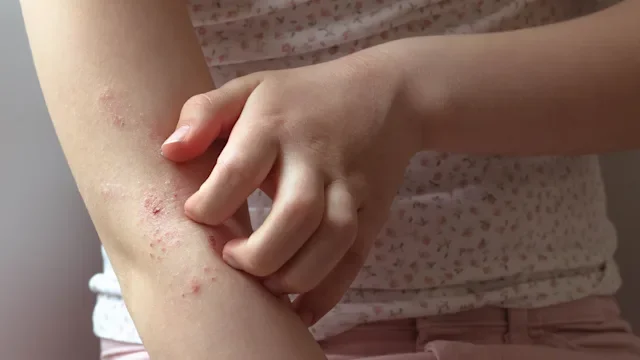
Most of the time, your body’s immune system protects you against infection and disease. But when you have an AID, your immune system gets confused. It starts to attack — and damage — your body’s own cells and tissues.
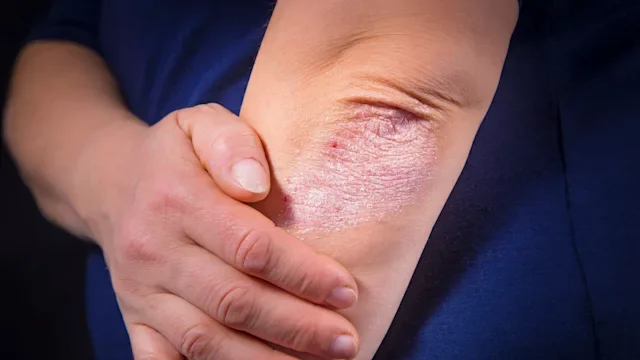
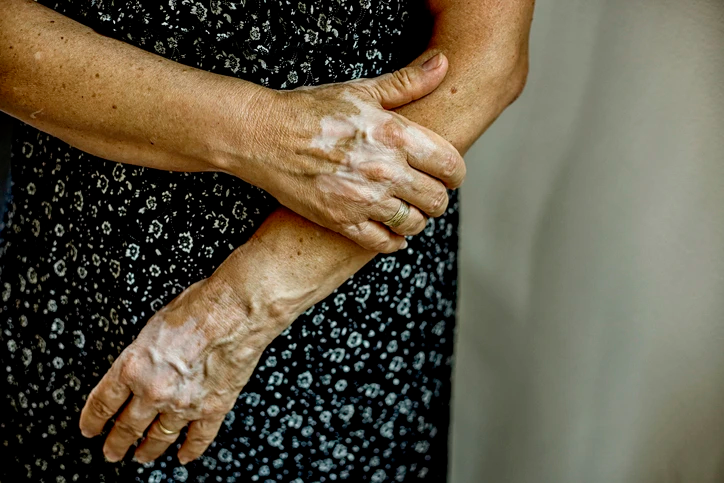
There are over 100 different autoimmune disorders, including:
There are over 100 known autoimmune conditions.
Together, autoimmune disorders affect up to 9% of people in the U.S. You are more likely to get an AID if you:
Are a women
Have obesity
Have a relative with an AID
Already have another AID
Autoimmune disorders have a wide range of symptoms. These symptoms can vary from person to person. They can be mild or severe. But the common underlying problem is the same: Your immune system attacks your own body.
Autoimmune disorders affect 5% to 9% of Americans.
The complete answer
Though genes play a role in autoimmune disease, they’re only one piece of the puzzle. Autoimmune disease isn’t caused by just one thing. It’s likely that AID happens when someone with a genetic predisposition encounters an environmental trigger — like a bacterial or viral infection.
How do infections cause autoimmune disease?
We don’t know for sure why infections trigger autoimmune disorders. Here are some possibilities:
Some germs look similar to your body’s own cells: Some infectious germs (like viruses and bacteria) have parts that look similar to your body’s own cells. This is called “molecular mimicry.” When your immune system attacks the invader, it also attacks your own cells. For example, the antibodies that your immune system uses to fight off strep throat can also interact with your heart, joints, brain, and skin. This can lead to an autoimmune condition called rheumatic fever.
Some viruses can interfere with how your immune system works: Some viruses may be able to turn off the immune system’s ability to tell the difference between “self” and an “outside invader.”
Infections cause inflammation and damage: Your immune system is good at fighting foreign invaders. But when it attacks, it can also cause inflammation in your body. Inflammation can lead to short-term — and long-term — damage to your cells and tissues.

Read more like this
Explore these related articles, suggested for readers like you.



Which infections are linked to autoimmune disease?
Infections are caused by germs that enter the body, like viruses and bacteria. They are a well-documented trigger of autoimmune disorders. In fact, almost all autoimmune conditions have been associated with at least one type of infection.
Bacterial infections linked to autoimmune disease
Lyme disease
Viral infections linked to autoimmune disease
Mononucleosis
German measles (Rubella)
Hand, foot, and mouth disease
Mumps
Zika
West Nile
Rotavirus
Hepatitis A
Hepatitis C
Sexually transmitted infections linked to autoimmune disease
Will everyone who has an infection get an autoimmune condition?
No. Most people who have an infection will recover without getting an autoimmune condition. This is true even for people who have a genetic predisposition.
There are also cases where people have a mild infection in childhood, but don’t develop an AID until much later — like when they are an adult.
Seventy percent of autoimmune conditions may be caused by diet, lifestyle, and environmental factors.
What are the other possible triggers for autoimmune disease?
In people with a genetic predisposition, AID can be triggered by many environmental factors — not just infections.
Some non-infectious environmental triggers are:
Heavy metals (like mercury)
Crystalline silica (from substances like quartz or granite)
Solvent exposure (from products like paint thinners or cleaners)
Injury
Physical stress
How can I protect myself from an autoimmune disease?
There are some risk factors that you can’t change, like your sex or family history. But there are many risk factors that you can change — like protecting yourself from certain infections.
You can reduce your chances of getting an AID if you:
Eat a healthy diet
Exercise
Limit your exposure to toxic chemicals at work and home
Get recommended vaccines (including the COVID-19 vaccine)
Practice safer sex
Follow community health guidelines
See a healthcare provider for treatment if you have an infection
How we decided
Many different types of resources were used as sources for this piece, including journal articles, patient information, and clinical guidelines.
Clinical guidelines and patient information
Professional and government organizations create guidelines for healthcare professionals and patients. These resources draw from the best scientific and clinical evidence available, and are updated frequently. For this piece, public information from the Centers for Disease Control and Prevention, the Global Autoimmune Institute, and various agencies within the National Institutes of Health was especially helpful.
Review studies and scientific publications
Review studies and scientific publications are peer-reviewed papers that present evidence on a medical or scientific topic. They can look at data from different populations over an extended period of time, or at a single population or intervention. Review articles that were particularly helpful include publications on the environmental triggers related to autoimmunity, how viruses interact with the immune system in the context of autoimmunity, and the toxicology of autoimmune disorders. Multiple scientific publications related to individual environmental triggers were also useful.
Keep in mind
The truth is: There’s still a lot we don’t know about autoimmune disorders. This is especially true when it comes to new infectious diseases, like COVID-19. We also don’t know as much about autoimmune conditions in people of color, since most of the research done so far has been in white populations of European descent.
Questions remain about whether some infections could actually protect you against AID. Certain viruses or parasites might actually calm your immune system down, or help you develop a healthy immune system. More research is needed in these areas.
What’s ahead
In the future, better genetic testing might lead to more personalized medicine. This could help us understand which people are most at risk for autoimmune conditions, and help scientists develop more targeted treatments.
New treatment for infections, and new types of vaccines (like the ones that use mRNA) are also on the horizon. Better treatment — and prevention — could protect people from some of the infections connected to AID.
References
Best study we found
Vojdani, A., et al. (2014). Environmental triggers and autoimmunity. Autoimmune Disease.
Agency for Toxic Substances and Disease Registry. (2021). How to reduce your exposure to chemicals at home, work, and play.
American Cancer Society. (2020). Causes of infections (germs).
Arango, Maria-Teresa, et al. (2013). Autoimmunity: From bench to bedside.
Bachmaier, K., et al. (2005). Chlamydia and antigenic mimicry. Current Topics in Microbiology and Immunology.
Better Health Channel. (2020). Immune system explained.
Centers for Disease Control and Prevention. (2018). Rheumatic fever: All you need to know.
Centers for Disease Control and Prevention. (2021). Scarlet fever: All you need to know.
Centers for Disease Control and Prevention. (2021). Strep throat: All you need to know.
Costenbeder, K., et al. (2006). Cigarette smoking and autoimmune disease: What can we learn from epidemiology? Lupus.
Fleming, A. (2021). mRNA vaccine shows promise in autoimmunity. Nature Reviews in Immunology.
Global Autoimmune Institute. (2019). 7 risk factors for autoimmune disease.
Kivity, S., et al. (2009) Infections and autoimmunity — friends or foes? Trends in Immunology.
Maya, R., et al. (2008). Hepatitis B virus and autoimmune disease. Clinical Reviews in Allergy & Immunology.
Meyer, A., et al. (2017). Pesticide exposure and risk of rheumatoid arthritis among licensed male pesticide applicators in the agricultural health study. Environmental Health Perspectives.
National Cancer Institute. (2021). Genetic predisposition.
National Cancer Institute. (2021). Immune cell.
National Institute of Arthritis and Musculoskeletal and Skin Diseases. (2016). Autoimmune diseases.
National Institute of Environmental Health Sciences. (2020). Autoimmune diseases and your environment.
National Institute of Environmental Health Sciences. (2021). Autoimmune diseases.
Office on Women’s Health. (2019). Autoimmune diseases.
Planned Parenthood. (2021). Safer sex.
Pollard, K, et al. (2010). Toxicology of autoimmune diseases. Chemical Research in Toxicology.
ScienceDaily. (2018). How viruses hijack part of your immune system and use it against you.
Sfriso, P., et al. (2009). Infections and autoimmunity: The multifaceted relationship. Journal of Leukocyte Biology.
Shah, M., et al. (2013). Brief report: Ultraviolet radiation exposure is associated with clinical and autoantibody phenotypes in juvenile myositis. Arthritis & Rheumatology.
Smatti, M., et al. (2019). Viruses and autoimmunity: A review on the potential interaction and molecular mechanisms. Viruses.
Somers, E., et al. (2015). Mercury exposure and antinuclear antibodies among females of reproductive age in the United States: NHANES. Environmental Health Perspectives.
Song, H., et al. (2018). Association of stress-related disorders with subsequent autoimmune disease. JAMA.
Tervaert, C., et al. (2017). Silicone breast implants and autoimmune rheumatic diseases: Myth or reality. Current Opinion in Rheumatology.
Unlu, G. (2020). Foodborne illness can induce autoimmune illnesses. Food Technology Magazine.
Vojdani, A., et al. (2014). Environmental triggers and autoimmunity. Autoimmune Diseases.
Yong, E. (2009). The upside of herpes — when one infection protects against another. Discover.

Why trust our experts?