Key takeaways:
Drinking alcohol can dehydrate you and irritate your stomach, leaving you feeling sick.
Hydrating with coconut water or sports drinks may help you rehydrate. Foods to try include bananas, watermelon, and pears.
Some foods can actually make hangover symptoms worse. If you have a hangover, try to avoid greasy, spicy, or acidic foods.
Waking up in the morning after drinking alcohol can leave you looking for relief. Unfortunately, there aren’t any quick cures for hangovers. But some foods and drinks may help more than others.
When you have a hangover, look for foods and drinks options that are:
Hydrating
Rich in electrolytes
Easy to digest
Anti-inflammatory (since alcohol can cause dehydration and inflammation)
High in protein
Search and compare options
Keep in mind, it can still take 24 hours to recover from a hangover, no matter what you eat or drink.
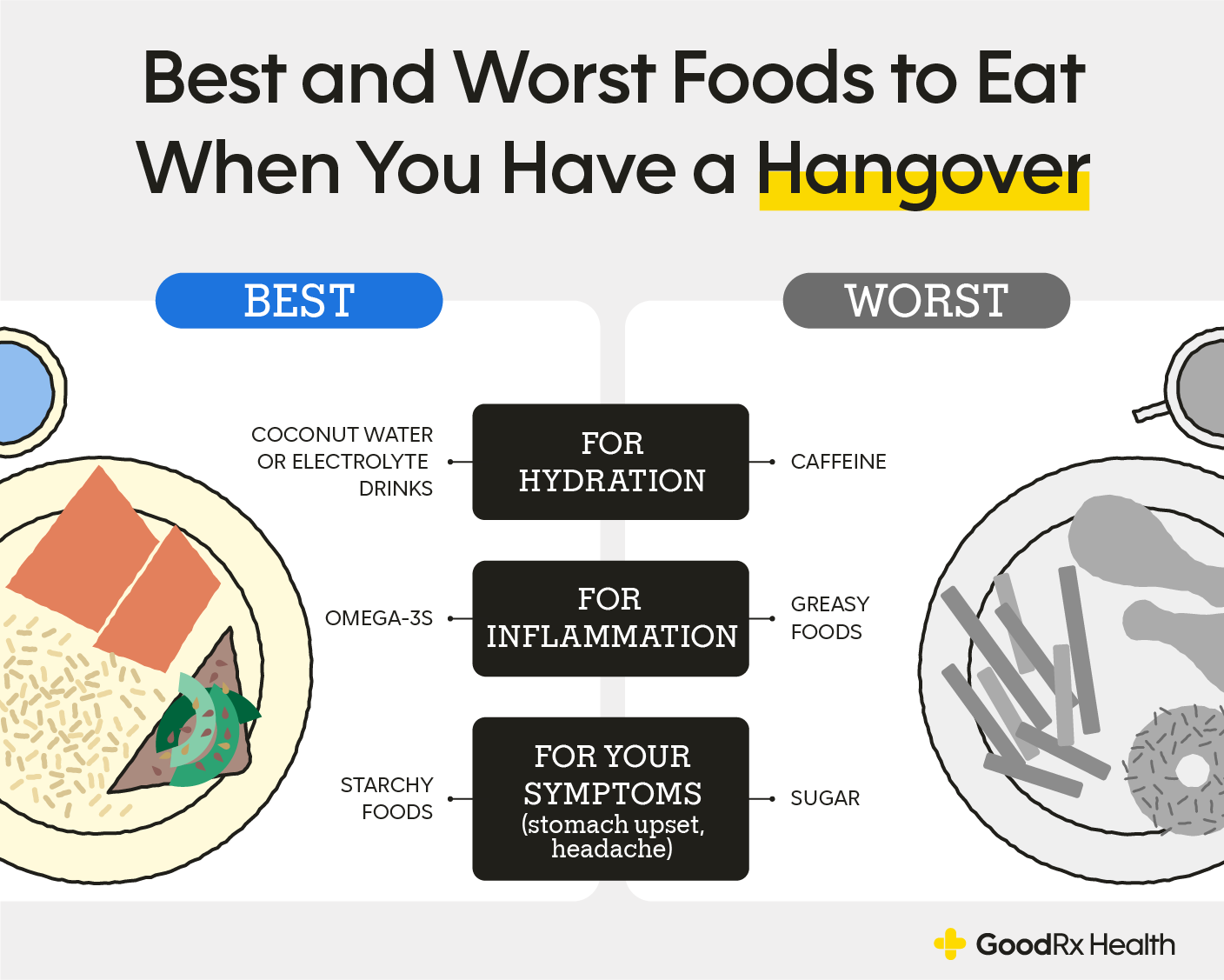
Besides water, here are 12 foods and drinks you can try to nurse a hangover.
1. Coconut water or an electrolyte beverage
Alcohol causes you to pee more, which may or may not lead to dehydration. It can also upset your stomach, which can lead to vomiting. Vomiting causes dehydration and electrolyte loss. That’s why it’s important to replace lost fluids and electrolytes with drinks like coconut water or sports drinks. These drinks contain water, as well as:
Potassium
Sodium
Magnesium
Whatever hydrating beverage you choose, sip it slowly. Having too much liquid at once might cause more stomach pain or make you feel queasy. Try to pick drinks low in added sugar and free of artificial ingredients like dyes.
2. Bananas (and avocados)
Vomiting can cause you to lose electrolytes like potassium. Because bananas are rich in potassium and gentle on the stomach, they can be great hangover helpers. They might be able to help balance electrolytes without adding to queasiness.
No bananas around? Try other high-potassium foods that are easy on the stomach like avocado or yogurt.

Do you feel worse after drinking red wine or whiskey? It’s not just you. Certain alcohols contain byproducts that can cause worse hangovers.
Does alcohol really make you pee more? Maybe you’ve noticed you make more trips to the bathroom when you’re drinking alcohol. Here’s why alcohol makes you pee.
Can IV drips help a hangover? Learn whether IV drips and other popular hangover cures are effective — and when they’re just hype.
3. Pear juice
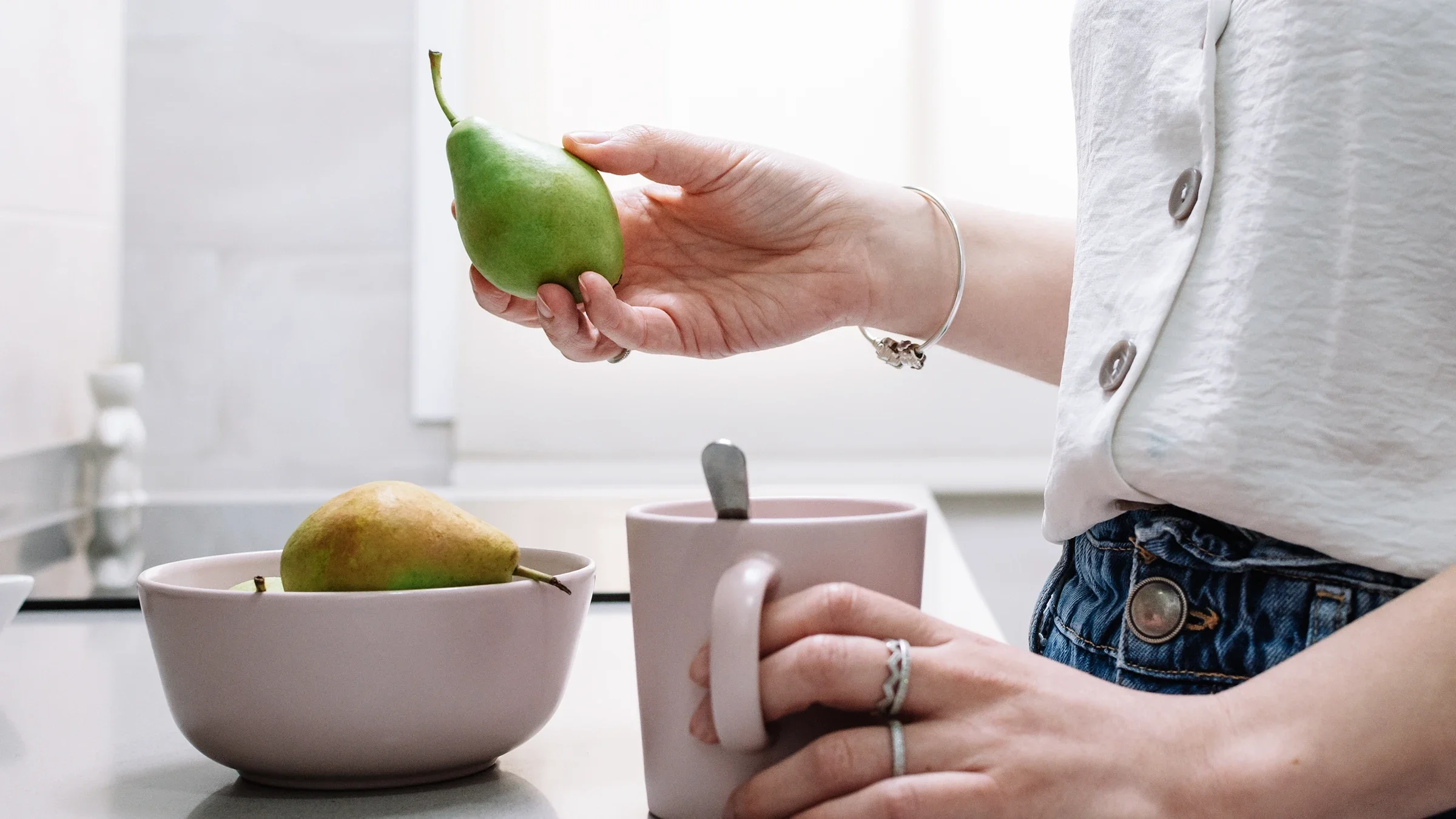
Korean pear (Pyrus pyrifolia) juice is a common hangover remedy in Korea. A small study found that it may help lower blood alcohol levels and improve hangover side effects such as trouble concentrating and sensitivity to light and sound. But the study’s participants were all young, healthy men. So, it’s unclear whether pear juice is effective for the general population.
Korean pears are also known as:
Asian pears
Japanese pears
Nashi pears
Apple pears
Read more like this
Explore these related articles, suggested for readers like you.



4. Asparagus
Asparagus contains enzymes that may help your body break down ethanol, which is the key ingredient in alcohol. In theory, taking in more of these enzymes could help ease hangover symptoms and protect your liver. But this effect has only been shown in a lab, not in humans.
Also, these helpful enzymes are highly concentrated in asparagus leaves. It’s not clear whether asparagus spears (the part of the asparagus you actually eat) also contain high levels.
5. Crackers and starchy foods
If your stomach isn’t feeling so good, you may benefit from sticking to bland, starchy foods that are easy to digest. Examples include crackers, toast, and oatmeal.
If it sounds good and you’re able to tolerate food, spread some peanut butter on top. The added protein can help steady your blood sugar. Protein may also help your liver break down acetaldehyde, the byproduct of alcohol.
6. Salmon
Salmon contains anti-inflammatory omega-3 fatty acids that may help lower the inflammation caused by alcohol breakdown. If fish isn’t what you want to eat on a sensitive stomach, consider flaxseed or walnuts instead.
7. Lean poultry
One small, low-quality study found that people who got more zinc and niacin (vitamin B3) in their diet reported having less severe hangover symptoms. You can find these nutrients in turkey and chicken. The protein in these foods can also help with recovery.
8. Ginger
Ginger is well known for its natural antinausea benefits and anti-inflammatory properties. It also supports digestion, which may help reduce nausea or vomiting caused by a hangover.
Try peeling and chopping a piece of ginger root and blending it into a soup or smoothie. You can also sip ginger tea, which you can buy or make by steeping fresh ginger root with honey. Ginger chews may help as well.
9. Applesauce
Like starchy foods, applesauce is bland, easy to digest, and usually well tolerated when you’re not feeling great. It also provides carbohydrates for energy, including about 3 g of fiber per cup. But many applesauces are high in added sugar. Be sure to choose applesauce without added sugar.
10. Chicken soup
Chicken soup is a soothing food to have during illnesses. And this applies to a hangover too. The broth in soup helps rehydrate you, while other ingredients like meat, beans, and vegetables add protein, vitamins, and minerals.
Other soups like miso, minestrone, and lentil can also help if chicken noodle isn’t your preference. When choosing canned soups, look for broth-based options (instead of creamy) with protein and at least 3 g of fiber per serving.
11. Watermelon
As its name implies, watermelon is a very hydrating fruit because it’s 91% water. It also contains the antioxidant glutathione. Research suggests that glutathione helps remove acetaldehyde — a byproduct of alcohol — from your body. This may reduce hangover symptoms.
Watermelon is also a great source of the antioxidants lycopene and vitamin C.
12. Oranges
Oranges are known for their vitamin C, providing 77% of your daily needs in one medium-sized orange. The vitamin C in oranges may support healthy glutathione levels, which can help break down the alcohol in your body. Oranges can also replenish B vitamins and potassium if you’ve been vomiting or have diarrhea.
Foods to avoid when you’re hungover
Just as some foods and drinks can help hangover symptoms, others can make you feel worse. Below are some foods and drinks to avoid if you’re feeling hungover.
1. Greasy foods
It’s a myth that greasy foods absorb alcohol from your body. In fact, foods like french fries and red or processed meats are linked to inflammation. More inflammation can slow your body’s ability to recover from a hangover. High-fat foods can also stay in your stomach longer, which can make nausea worse. Plus, greasy foods don’t offer any hydration.
2. Coffee
It’s also a myth that caffeine helps you get over a hangover faster. One study found that coffee actually slowed the rate of ethanol removal from the body. Plus, caffeine can make you pee more often. This isn’t problematic on its own. But when your body is already low on fluids from a hangover, caffeine can worsen dehydration and hangover symptoms.
3. Spicy and acidic foods
Alcohol can irritate your stomach lining, which can trigger stomach upset and indigestion. Alcohol can also worsen heartburn and gastroesophageal reflux disease (GERD). So it’s a good idea to avoid foods that can trigger heartburn symptoms. These include spicy foods and acidic foods.
How to avoid a hangover
The best way to prevent a hangover is to drink less alcohol. Other tips include:
Don’t drink on an empty stomach. Eating before drinking alcohol might help prevent an upset stomach and nausea. Try to include a mix of protein (like lean poultry or legumes), fats (like eggs, salmon, or olive oil), and fiber (such as whole grains or vegetables). These nutrients take longer to digest than lower fiber, “simple” carbs. This may help curb the effects of alcohol.
Drink water along with your alcoholic beverages. Drinking water periodically can lower your risk of dehydration.
Stick to clear alcohol when possible. Darker drinks may contain byproducts that cause worse hangover symptoms.
Frequently asked questions
The symptoms of a hangover can last 24 hours or longer. Many factors can affect how long a particular hangover lasts, including the type and amount of alcohol you had, whether you ate food while drinking, and your body’s unique metabolism.
Hangovers aren’t only about dehydration. Dehydration can happen with a hangover, but it’s not the only thing that’s involved. Excessive drinking causes your liver to have to work extra hard to process and eliminate it. This can trigger inflammation in your body, which adds to hangover symptoms. Alcohol can also irritate your stomach and digestive process, interfere with sleep, and lower your blood sugar. All these things can cause hangover symptoms.
Many vitamins and supplements are marketed as hangover cures. But there’s no evidence that they can cure a hangover.
If you can, take a day to rest and recover. A hangover can cause irritability, poor decision- making, and trouble focusing. And it’s never a good idea to exercise while you’re still feeling the effects of alcohol. Instead, wait until you feel better before returning to your normal activity level.
Throwing up can sometimes help you feel better when you have a hangover since it may relieve nausea. But throwing up won’t make you sober. Most of the alcohol is already absorbed into your body. You should never force yourself to throw up. This can be dangerous and further contribute to dehydration. If you’re vomiting, try to drink as many fluids as possible. Water is good, but electrolyte drinks can be even better. That’s because they provide minerals that your body loses through vomiting or diarrhea.
The symptoms of a hangover can last 24 hours or longer. Many factors can affect how long a particular hangover lasts, including the type and amount of alcohol you had, whether you ate food while drinking, and your body’s unique metabolism.
Hangovers aren’t only about dehydration. Dehydration can happen with a hangover, but it’s not the only thing that’s involved. Excessive drinking causes your liver to have to work extra hard to process and eliminate it. This can trigger inflammation in your body, which adds to hangover symptoms. Alcohol can also irritate your stomach and digestive process, interfere with sleep, and lower your blood sugar. All these things can cause hangover symptoms.
Many vitamins and supplements are marketed as hangover cures. But there’s no evidence that they can cure a hangover.
If you can, take a day to rest and recover. A hangover can cause irritability, poor decision- making, and trouble focusing. And it’s never a good idea to exercise while you’re still feeling the effects of alcohol. Instead, wait until you feel better before returning to your normal activity level.
Throwing up can sometimes help you feel better when you have a hangover since it may relieve nausea. But throwing up won’t make you sober. Most of the alcohol is already absorbed into your body. You should never force yourself to throw up. This can be dangerous and further contribute to dehydration. If you’re vomiting, try to drink as many fluids as possible. Water is good, but electrolyte drinks can be even better. That’s because they provide minerals that your body loses through vomiting or diarrhea.
The bottom line
There’s no way to erase the effects of a night of drinking alcohol. The best hangover foods and drinks are those that are hydrating and anti-inflammatory. Rest also helps. Try to avoid greasy, spicy, or acidic foods. They can make your symptoms worse. Instead, stick to water, electrolyte drinks, and bland foods that are easy to digest like bananas and crackers.

Why trust our experts?




References
Cedars Sinai. (2018). The science of hangovers.
Kim, B. Y., et al. (2009). Effects of asparagus officinalis extracts on liver cell toxicity and ethanol metabolism. Journal of Food Science.
Lee, H., et al. (2013). Effect of Korean pear (Pyruspyrifolia cv. Shingo) juice on hangover severity following alcohol consumption. Food and Chemical Toxicology.
Lenton, K. J., et al. (2003). Vitamin C augments lymphocyte glutathione in subjects with ascorbate deficiency. The American Journal of Clinical Nutrition.
Lieber, C. S. (2003). Relationships between nutrition, alcohol use, and liver disease. Alcohol Research and Help.
Mackus, M., et al. (2024). Alcohol hangover versus dehydration revisited: The effect of drinking water to prevent or alleviate the alcohol hangover. Alcohol.
My Food Data. (n.d.). Applesauce, canned, unsweetened, without added ascorbic acid.
My Food Data. (n.d.). Oranges.
National Center for Biotechnology Information. (2020). Pyrus pyrifolia var. culta.
National Institute on Alcohol Abuse and Alcoholism. (2025). Hangovers.
Northwestern Medicine. (2018). The science of a hangover.
Song, G., et al., (2024). Effects of GSH on Alcohol Metabolism and Hangover Improvement in Humans: A Randomized Double-Blind Placebo-Controlled Crossover Clinical Trial. Nutrients.
Srinivasan, S., et al. (2019). Influence of food commodities on hangover based on alcohol dehydrogenase and aldehyde dehydrogenase activities. Current Research in Food Science.
Verster, J. C., et al. (2019). Dietary nutrient intake, alcohol metabolism, and hangover severity. Journal of Clinical Medicine.
Verster, J. C., et al. (2025). The alcohol hangover product market of the United States of America. Drug Science.