



7 HPV Vaccine (Gardasil 9) Side Effects You Should Know About
The HPV vaccine (Gardasil 9) is an effective tool in preventing certain types of cancers and health issues. These are the potential side effects to be aware of.
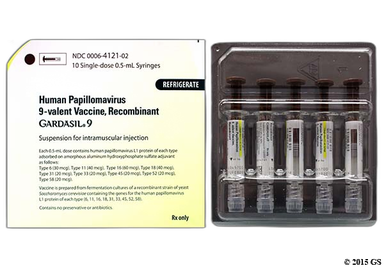
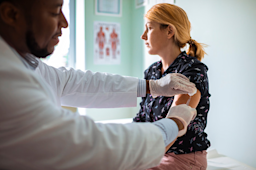
Gardasil 9 (HPV vaccine) is an FDA approved vaccine that helps protect against certain types of human papillomavirus (HPV). HPV is a virus that can cause genital warts and certain cancers. This vaccine is recommended for all children starting at ages 9 to 14, and it's also approved for adults up to age 45. Depending on your age, you’ll receive 2 or 3 doses. It's given as a shot into the muscle by a healthcare professional. Common side effects include headache and injection-site reactions like pain or swelling.

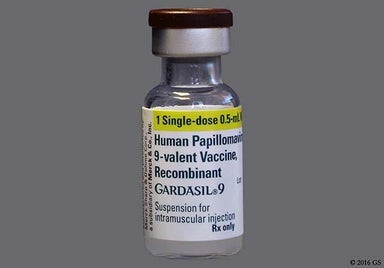
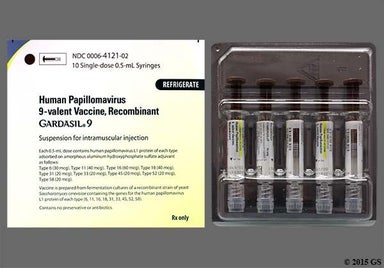
Gardasil 9 (HPV vaccine) is a recombinant vaccine that helps protect you from human papillomavirus (HPV). It contains pieces of the virus that trigger your immune system to make antibodies against 9 different types of HPV.
If you're exposed to HPV later on, these antibodies help fight off the virus. This can prevent infection and lower your risk of genital warts and certain cancers like cervical, vulvar, vaginal, anal, throat, and other head and neck cancers.
| Common Brands | Gardasil 9 |
|---|---|
| Drug Class | Vaccine |
| Controlled Substance Classification | Not a controlled medication |
| Generic Status | No lower-cost generic available |
| Availability | Prescription only |

The following side effects may get better over time as your body gets used to the medication. Let your healthcare provider know immediately if you continue to experience these symptoms or if they worsen over time.
Contact your healthcare provider immediately if you experience any of the following.
Side effects that you should report to your care team as soon as possible:
Side effects that usually do not require medical attention (report these to your care team if they continue or are bothersome):




Gardasil 9 (HPV vaccine) can cause some serious health issues. This risk may be even higher for certain groups. If this worries you, talk to your doctor or pharmacist about other options.
Some people might feel lightheaded or faint after getting Gardasil 9 (HPV vaccine). This could lead to falling and getting hurt. In rare cases, fainting might come with stiffness or shaking, which can look like a seizure. To help prevent injury, your healthcare professional might ask you to sit or lie down for about 15 minutes after the shot.
In very rare cases, serious allergic reactions like anaphylaxis can happen after getting Gardasil 9 (HPV vaccine). Let your healthcare professional know if you experience trouble breathing, wheezing, hives, or a rash after the injection. Also, this vaccine contains yeast, so tell your prescriber if you've ever had an allergy to yeast or another vaccine made with yeast.


Contraindications are specific health conditions or situations in which a person should not take a medication due to safety concerns. If you have any of the following conditions or if any of the following apply to you, let your healthcare provider know because Gardasil 9 (HPV vaccine) will not be safe for you to take.




Prescription savings
Stop paying too much for your prescriptions. Compare prices, get pharmacy coupons, and save up to 80%.Resources
About GoodRx
 Find expert answers to your health questions so you can make the best decisions for yourself and your family.
Health conditions
Medications & treatment
Access & affordability
Well-being
Medication discounts

Studies show that Gardasil 9 protects against HPV for at least 12 years without needing a booster shot. If you have any questions about how long the vaccine lasts, talk to your healthcare professional for guidance.
The number of Gardasil 9 shots you need depends on your age and timing between doses. Most people who start the vaccine between ages 9 and 14 get 2 doses: one shot, then another 6 to 12 months later. But if the second dose is given less than 5 months after the first, you might need a third dose. People who start the series at age 15 or older typically get 3 doses total: one shot, a second shot 1 to 2 months later, and a final shot 6 months after the first. If you're not sure which schedule is right for you, ask your healthcare professional.
Gardasil 9 is very effective at protecting you from HPV that can lead to genital warts and certain cancers. If you get all the recommended doses, the vaccine can prevent over 90% of these cancers. Since the vaccine became available, HPV infections from the types that cause most cancers and warts have dropped by 88% in teen girls and 81% in young adult women. Talk to your healthcare professional if you’re not sure whether you or your child should get vaccinated.
No, Gardasil 9 isn't a live vaccine — it's a recombinant vaccine. This means it contains harmless pieces of the virus that help your body build protection.
Gardasil 9 is usually available at most outpatient pharmacies that offer vaccines. You might also get it at your primary care provider's office or clinic. Call ahead to check availability and see if you need an appointment.
No, Gardasil 9 doesn't cause infertility. Research has found no evidence linking the HPV vaccine to infertility or problems getting pregnant. If you have questions or concerns about how the vaccine might affect fertility, talk to your healthcare professional.
If you're pregnant, the CDC recommends waiting until after you've given birth to get Gardasil 9. This is because there haven't been enough studies to show that the vaccine is safe or effective during pregnancy. Let your healthcare professional know if you're pregnant so they can decide what's best for you.
Gardasil 9 is a newer version of the original Gardasil vaccine, and the main difference is how many types of HPV each one protects against. Gardasil protects against 4 types of HPV, while Gardasil 9 protects against 9 types of HPV. Gardasil 9 is the only version currently available in the United States.
