Key takeaways:
Foundayo (orforglipron) can interact with medications that affect how it’s broken down in the body, including certain antivirals, antibiotics, and heart medications. These interactions may increase side effects or make Foundayo not work as well.
Foundayo can also affect other medications. For instance, it may raise levels of medications such as simvastatin (Zocor, FloLipid) and digoxin (Lanoxin), increase the risk of low blood sugar with insulin or sulfonylureas, and reduce how well birth control pills work.
Many Foundayo interactions can be managed with dose changes, monitoring, or short-term precautions. But some combinations — such as certain anti-seizure medications — are often best avoided.
Save on related medications
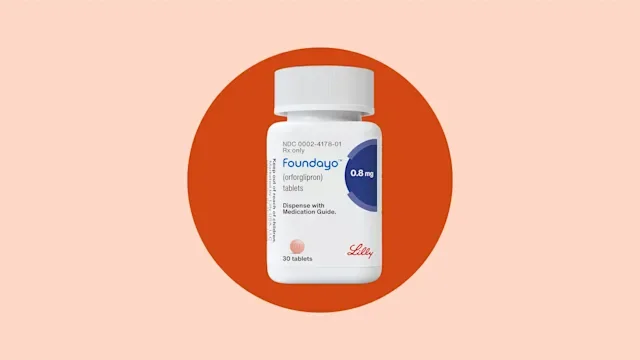
Foundayo (orforglipron) is a newer glucagon-like peptide-1 (GLP-1) receptor agonist used for chronic weight management in adults. While it’s a convenient oral alternative to injectable options, it can still interact with other medications in ways that affect how well it works — or how your body responds to it.
The good news is that most Foundayo interactions are manageable with a few simple steps. Below, we’ll cover the combinations to watch out for, what could happen, and how to take Foundayo safely with your other medications.
Foundayo interactions at a glance
Some Foundayo interactions happen because of how Foundayo is broken down in the body. Others are related to how it slows down digestion, which can change how certain oral medications are absorbed.
Several medications can increase the risk of Foundayo side effects, such as:
Certain antivirals, such as Paxlovid (nirmatrelvir / ritonavir)
Certain antibiotics, such as clarithromycin (Biaxin XL)
Azole antifungals, such as oral ketoconazole
Some heart medications, such as calcium channel blockers like verapamil (Verelan)
Grapefruit and grapefruit juice
Medications and supplements like these can make Foundayo not work as well:
Anti-seizure medications, such as phenytoin (Dilantin, Phenytek)
Rifamycin antibiotics, such as rifampin (Rifadin)
St. John’s wort
Foundayo can also interact with other medications, including:
Digoxin (Lanoxin)
Insulin and other medications that lower blood glucose (blood sugar)
Statins, especially simvastatin (Zocor, FloLipid)
Birth control pills
Other GLP-1 medications, such as Wegovy (semaglutide)
Here, we’ll detail nine notable Foundayo interactions and how to manage them.
Good to know: This isn’t a complete list of interactions that are possible with Foundayo. Make sure your pharmacist and prescriber have access to a full list of medications and supplements that you take. They can help you avoid interactions before they happen.
1. Certain antivirals, such as Paxlovid
Some antiviral medications — especially those that contain ritonavir (Norvir) — can raise Foundayo levels in your body. They do so by blocking an enzyme (protein) in the liver that helps break it down. One such antiviral is Paxlovid, as well as other ritonavir-containing combination products.
Other antivirals, such as atazanavir (Reyataz) and nelfinavir (Viracept), have similar effects. When Foundayo levels rise, side effects such as nausea, vomiting, and stomach discomfort may become more noticeable or intense.
Since several antivirals are only used for a short time, you may not need to stop taking Foundayo. But if the interaction is making side effects much worse, or if you need to take an antiviral long term, your prescriber may lower your Foundayo dosage. They may also limit your dose to no more than 9 mg per day. They might also recommend closer monitoring or other steps to help manage side effects while you’re taking both medications.
Good to know: Select antivirals, such as efavirenz, can have the opposite effect. They can speed up how quickly your body breaks down Foundayo, which may lower its levels and make it not work as well.
2. Several antibiotics and antifungals
Other medications that fight infections can also change Foundayo levels in your body.
Some antibiotics, such as clarithromycin, can raise Foundayo levels. Azole antifungals such as itraconazole (Sporanox), ketoconazole, and voriconazole (Vfend) have a similar effect. This may increase the risk of side effects such as nausea, vomiting, and other stomach-related symptoms.
Rifampin has the opposite effect. This tuberculosis-fighting antibiotic speeds up how quickly your body breaks down Foundayo, which can lower its levels and make it not work as well.
Antibiotics and antifungals are often taken for a short time. So your prescriber may recommend continuing Foundayo and monitoring you more closely while you’re taking both medications. But, depending on the medication, they may also adjust your dose, suggest an alternative treatment, or monitor your response more closely to make sure Foundayo is still working as expected.
3. Certain heart medications
Several heart medications can affect Foundayo levels in different ways.
Medications such as diltiazem (Cardizem, Tiazac), verapamil, and amiodarone (Pacerone) can raise Foundayo levels by slowing how it’s broken down. This can increase the risk of side effects such as nausea, vomiting, and stomach discomfort — especially when first starting treatment or after increasing your dose.
On the other hand, quinidine can lower Foundayo levels. This may make Foundayo not work as well.
Another medication to be aware of is digoxin. Foundayo can increase digoxin levels, which may raise the risk of digoxin side effects, such as nausea, vision changes, or irregular heart rhythms.
If you take any of these medications, your prescriber may adjust your treatment plan or monitor you more closely to make sure both medications are working well and safely.
4. Anti-seizure medications
Some anti-seizure medications can lower Foundayo levels. They do so by speeding up how quickly your body breaks Foundayo down. Medications such as phenytoin, carbamazepine (Tegretol), and phenobarbital can have this effect.
These interactions can significantly reduce how well Foundayo works. In many cases, combining these medications may be avoided altogether, especially if how well Foundayo works is a priority.
If you’re taking one of these medications, your prescriber may suggest a different weight-management option or keep a closer eye on how you respond if you use both together. Don’t stop or change your anti-seizure medication on your own, as keeping your seizures under control should be a top priority.
5. St. John’s wort
St. John’s wort is an herbal supplement often used for mood support. But it can interact with Foundayo by speeding up how quickly your body breaks it down.
This can lower Foundayo levels and make it not work as well for weight management. In some cases, this interaction can significantly reduce how well Foundayo works.
It’s generally recommended to avoid taking St. John’s wort while you’re taking Foundayo. If you’re considering it or are already taking it, let your prescriber know. They can help you choose a better alternative that won’t interfere with Foundayo. Many prescription antidepressants don’t interact with Foundayo.
6. Insulin and sulfonylureas
Taking Foundayo with insulin or sulfonylureas can increase the risk of hypoglycemia (low blood sugar). While Foundayo on its own has a lower risk of causing low blood sugar, combining it with other medications that lower blood sugar can make it more likely.
Examples of insulins include insulin glargine (Lantus, Basaglar), insulin lispro (Humalog, Admelog), and insulin aspart (NovoLog, Fiasp). Sulfonylureas include medications such as glipizide (Glucotrol XL), glyburide (Glynase), and glimepiride.
Your risk of low blood sugar is highest when you first start taking Foundayo or when your dose goes up. To lower this risk, your prescriber may reduce your insulin or sulfonylurea dose and ask you to check your blood sugar more often during these times. It also helps to know the signs and symptoms of low blood sugar — such as feeling shaky, sweaty, or dizzy — and have a plan for what to do if it happens.
7. Statins, such as simvastatin
Foundayo can increase the levels of certain statins, especially simvastatin. Higher simvastatin levels can raise the risk of statin side effects such as muscle pain or, in rare cases, serious muscle damage.
Other statins, such as atorvastatin (Lipitor) and rosuvastatin (Crestor), may also be affected, but to a lesser extent.
If you take simvastatin, your prescriber may limit your dose or consider switching you to a different statin. But no matter which statin you take, keep an eye out for new or unusual muscle pain, tenderness, or weakness. If it gets worse or doesn’t go away, let your care team know about it right away.
8. Birth control pills
Foundayo can slow how quickly your stomach empties. This can affect how well oral birth control pills are absorbed — especially when you first start taking Foundayo or increase your dose. Examples of oral birth control include combination pills such as ethinyl estradiol / levonorgestrel (Aviane, Seasonale, others) and ethinyl estradiol / norethindrone (Loestrin, Junel, others) as well as progestin-only pills like norethindrone (Camila, Heather, others) and norgestrel (Opill).
This interaction can make birth control pills not work as well for a short time, which can raise the risk of unintended pregnancy. As a result, people who can become pregnant are usually advised to switch to a non-oral birth control method or use a backup method (like condoms) for 30 days after starting Foundayo and for 30 days after each dose increase.
If you take an oral birth control pill, talk with your healthcare team ahead of time so you have a plan to stay protected.
9. Other GLP-1 medications, such as Wegovy
It’s not recommended to take Foundayo with another GLP-1 medication, such as Wegovy or Zepbound (tirzepatide). Using multiple GLP-1 medications together can increase the risk of side effects such as nausea, vomiting, and diarrhea without providing additional benefit.
If you’re switching from one GLP-1 to another, your prescriber should guide you on how to stop one medication and safely start the other to minimize overlap and side effects.
The bottom line
Foundayo (orforglipron) interacts with a range of medications, including antivirals, antibiotics, and heart medications. Anti-seizure medications, St. John’s wort, and insulin can also pose an issue. Some interactions can raise Foundayo levels and increase side effects. Others can make Foundayo less effective. Foundayo can also affect how well certain other medications work, such as statins and birth control pills.
In many cases, these Foundayo interactions are manageable with simple measures. These include dose adjustments, closer monitoring, or temporary changes to your medication routine. But some combinations with Foundayo may be best avoided altogether.
Before starting Foundayo, share a complete list of your medications and supplements with your healthcare team. This will help them spot potential interactions early and make sure your weight-loss treatment is safe and works well.

Why trust our experts?



References
Eli Lilly and Company. (2026). Foundayo- orforglipron tablet, film coated [package insert].
U.S. Food & Drug Administration. (2026). For healthcare professionals | FDA’s examples of drugs that interact with CYP enzymes and transporter systems.