




Narcan, Flumazenil, Protamine, and More: 9 Common Medication Reversal Agents
Reversal agents are drugs that counteract the effects of other medications. Learn more with this list of reversal agents and when to use them.
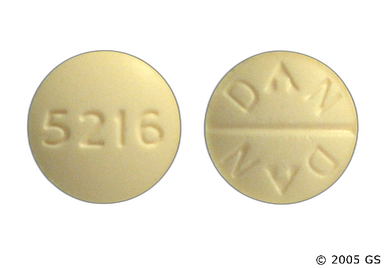
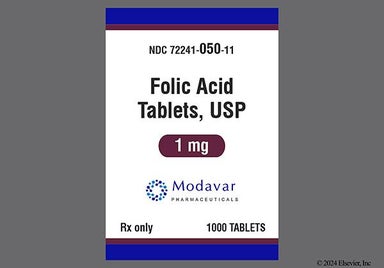
Folic acid, also known as vitamin B9, is a dietary supplement used to treat anemias, due to low blood levels of folic acid (folic acid deficiency) or poor diet, in children and adults. It's also used to prevent neural tube defects in pregnancy. Folic acid is considered a man-made form of folate which is naturally found in food. It's commonly available as oral tablets, usually taken once a day. Side effects symptoms are rare with recommended doses, but avoid taking too much since that can be harmful.

Folic acid is a dietary supplement that does many important things for the body. It helps to treat anemia by making new red blood cells.
| Common Brands | Folvite |
|---|---|
| Drug Class | Dietary Supplement |
| Controlled Substance Classification | Not a controlled medication |
| Generic Status | Lower-cost generic available |
| Availability | Prescription or over-the-counter |

The following side effects may get better over time as your body gets used to the medication. Let your healthcare provider know immediately if you continue to experience these symptoms or if they worsen over time.
See Risks and Warnings
Contact your healthcare provider immediately if you experience any of the following.
Along with its needed effects, a medicine may cause some unwanted effects. Although not all of these side effects may occur, if they do occur they may need medical attention.
Check with your doctor as soon as possible if any of the following side effects occur:
Rare
general weakness or discomfort
reddened skin
shortness of breath
skin rash or itching
tightness in chest
troubled breathing
Other side effects not listed may also occur in some patients. If you notice any other effects, check with your healthcare professional.
Call your doctor for medical advice about side effects. You may report side effects to the FDA at 1-800-FDA-1088.




Folic acid can cause some serious health issues. This risk may be even higher for certain groups. If this worries you, talk to your doctor or pharmacist about other options.
Taking too much folic acid can potentially cause serious side effects. Follow your healthcare provider's instructions on how to take folic acid properly. Since many over-the-counter multivitamins and supplements contain these vitamins, always check with your provider or pharmacist to make sure you're not taking too much. Let your provider know if you experience overdose symptoms (e.g., poor appetite, nausea, bloating, bad taste in your mouth, sleeping problems, concentration problems, feeling irritable).
Taking folic acid can sometimes hide anemia due to low vitamin B12 levels. This means that folic acid might help raise your red blood cell count without addressing your vitamin B12 levels, which can remain low. Your provider might check your vitamin B12 levels through blood work before you start folic acid to make sure you receive appropriate treatment for all your nutrient deficiencies.
Folic acid contains aluminum, which can build up in people with kidney problems, including babies born before their kidneys are fully developed. Too much aluminum in your body can lead to brain and bone problems. Let your provider know if you have kidney problems because they'll need to look out for signs of aluminum toxicity.
The injectable form of folic acid has a preservative called benzyl alcohol. This preservative can cause a rare, but serious and sometimes life-threatening medical condition typically seen in premature babies called gasping syndrome. Get medical attention right away if your child has symptoms, such as gasping, slowed heart rate, clammy skin, seizures, or weakness in an arm or leg.

The typical dose ranges from 0.1 mg to 1 mg by mouth per day. The maximum dose depends on your age. Your provider will decide the dose based on your age and certain health conditions.
An injectable form of folic acid is also available and can be used in people who can't take the medication by mouth.

Although certain medicines should not be used together at all, in other cases two different medicines may be used together even if an interaction might occur. In these cases, your doctor may want to change the dose, or other precautions may be necessary. When you are receiving this dietary supplement, it is especially important that your healthcare professional know if you are taking any of the medicines listed below. The following interactions have been selected on the basis of their potential significance and are not necessarily all-inclusive.
Using this dietary supplement with any of the following medicines may cause an increased risk of certain side effects, but using both drugs may be the best treatment for you. If both medicines are prescribed together, your doctor may change the dose or how often you use one or both of the medicines.












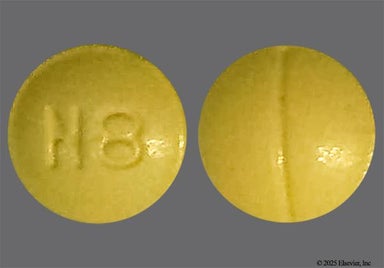
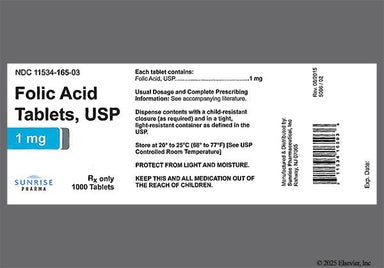
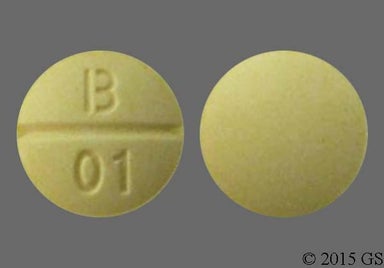
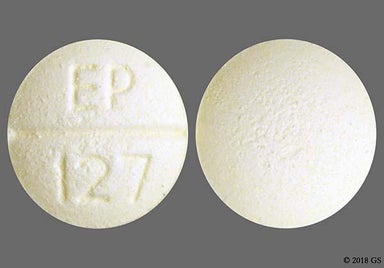
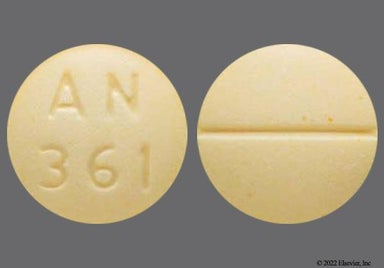
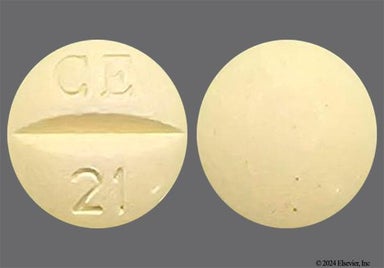
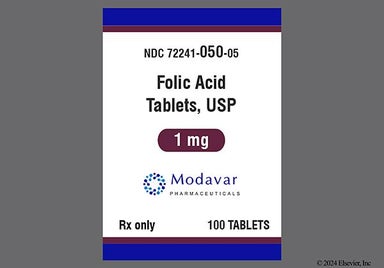
Prescription savings
Stop paying too much for your prescriptions. Compare prices, get pharmacy coupons, and save up to 80%. Find expert answers to your health questions so you can make the best decisions for yourself and your family.
Health conditions
Medications & treatment
Access & affordability
 Our monthly healthcare membership can help you save thousands on your prescription costs.
Resources

Not exactly. Both folate and Folic Acid are forms of vitamin B9. Folate is the natural form found in green vegetables, fruits, and beans. On the other hand, Folic Acid is a man-made version of folate, available as a dietary supplement or added to certain foods like rice, pasta, bread, and cereals.
The amount of folic acid you need will depend on your age and if you're pregnant or nursing. But in general, the typical dose ranges from 0.1 mg to 1 mg by mouth once per day. Women trying to get pregnant usually need about 0.6 mg (or 600 mcg) a day because it can prevent certain birth defects. Make sure to talk to your provider about if you need to take Folic Acid and at what dose.
Yes, taking too much Folic Acid can potentially be harmful. Folic Acid can hide signs of vitamin B12 deficiency, which can lead to permanent nerve damage. Although more research needs to be done, taking too much Folic Acid might also fuel certain types of cancers. Make sure you don't take more than your healthcare provider recommends.
There isn't a specific time that's better to take Folic Acid. You can take it at any time of the day that's most convenient for you. The most important thing is to take Folic Acid at around the same time everyday.
Folic Acid is an important vitamin with many benefits for the body. While most people can get enough of it from their diet, some need to take extra Folic Acid. Those with anemia caused by low folic acid require a supplement to restore their levels and make red blood cells. Also, pregnant women or those trying to get pregnant benefit from extra Folic Acid to prevent birth defects. And finally, some medications like methotrexate can lower folic acid levels and cause side effects, so people taking methotrexate might also need Folic Acid. Talk to your provider if you're not sure if you need Folic Acid.
It's not known to say for sure if Folic Acid can help with hair loss. In general, research suggests Folic Acid doesn't help with hair loss. If you're experiencing hair loss, talk to your provider about available treatment options.
