


10 Pharmacist Tips for Taking Lupron Injections for Prostate Cancer
Learn all there is to know about receiving Lupron injections, from managing side effects to how to save.
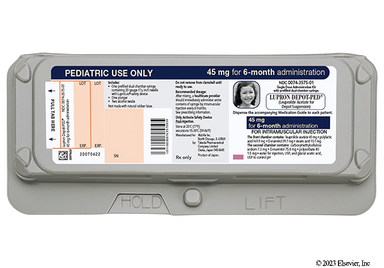
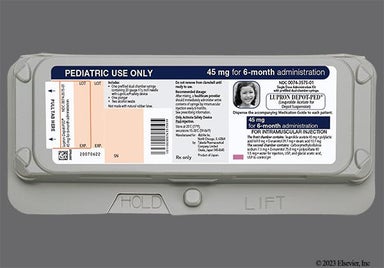
Lupron Depot-Ped (leuprolide) is an injectable medication that works well to prevent early puberty in children 2 years of age and older. It must be given by a healthcare provider, and it's either injected under the skin or into the muscle.

Lupron Depot-Ped (leuprolide) is a gonadotropin-releasing hormone (GnRH) agonist, which is a synthetic (man-made) hormone similar to the GnRH your body naturally makes. It lowers reproductive hormone levels, estrogen and testosterone, which are a part of the process of puberty.
| Common Brands | Lupron Depot-Ped, Fensolvi |
|---|---|
| Drug Class | GnRH agonist |
| Controlled Substance Classification | Not a controlled medication |
| Generic Status | No lower-cost generic available |
| Availability | Prescription only |

The following side effects may get better over time as your body gets used to the medication. Let your healthcare provider know immediately if you continue to experience these symptoms or if they worsen over time.
*Side effects for injections into the muscle
Contact your healthcare provider immediately if you experience any of the following.
Along with its needed effects, a medicine may cause some unwanted effects. Although not all of these side effects may occur, if they do occur they may need medical attention.
Check with your doctor immediately if any of the following side effects occur:
For adults
Less common
Fast or irregular heartbeat
For males only (adults)
More common
Arm, back, or jaw pain
bloody or cloudy urine
blurred vision
chest pain or discomfort
difficult, burning, or painful urination
difficulty with moving
dizziness
frequent urge to urinate
headache
increased urge to urinate during the night
muscle pain or stiffness
nervousness
pain in the joints
pale skin
pounding in the ears
slow or fast heartbeat
sweating
unusual bleeding or bruising
unusual tiredness or weakness
waking to urinate at night
Rare
Pain in the groin or legs (especially in the calves)
Incidence not known
Altered mental status
cold, clammy, pale skin
confusion
double vision
irregular heartbeat
visual changes
vomiting
For females only (adults)
For children
More common
Body aches or pain
chills
cough producing mucus
difficulty in breathing
ear congestion
headache
loss of voice
muscle aches
noisy breathing
pain or redness at the injection site
runny or stuffy nose
tightness in the chest
unusual tiredness or weakness
Less common
Irritability
mood or mental changes
Rare
Burning, itching, or swelling at the injection site
Incidence not known
Seizures
For females only (children)—expected in first few weeks
Some side effects may occur that usually do not need medical attention. These side effects may go away during treatment as your body adjusts to the medicine. Also, your health care professional may be able to tell you about ways to prevent or reduce some of these side effects. Check with your health care professional if any of the following side effects continue or are bothersome or if you have any questions about them:
For adults
More common
Sudden sweating and feeling of warmth (hot flashes)
For females only (adults)
For males only (adults)
More common
Back pain
chills
general feeling of discomfort or illness
loss of appetite
pain or discomfort at the injection site
redness of the face, neck, arms, and occasionally, upper chest
shivering
unusual drowsiness, dullness, tiredness, weakness, or feeling of sluggishness
Less common
Decreased size of the testicles
inability to have or keep an erection
For children
More common
feeling of warmth
redness of the face, neck, arms and occasionally, upper chest
stomach pain
vomiting
Other side effects not listed may also occur in some patients. If you notice any other effects, check with your healthcare professional.
Call your doctor for medical advice about side effects. You may report side effects to the FDA at 1-800-FDA-1088.




Lupron Depot-Ped (leuprolide) can cause some serious health issues. This risk may be even higher for certain groups. If this worries you, talk to your doctor or pharmacist about other options.
Lupron Depot-Ped (leuprolide) is an artificial (man-made) hormone similar to one your body makes, called gonadotropin-releasing hormone (GnRH). Similar to other GnRH medications, Lupron Depot-Ped (leuprolide) can cause worsening of puberty symptoms, such as vaginal bleeding, when first started. These symptoms should go away within the first 4 weeks of therapy.
People taking medications similar to GnRH, like Lupron Depot-Ped (leuprolide), may have trouble controlling their emotions. Symptoms of emotional changes include crying, irritability, impatience, anger, and aggression. As a parent, watch your child for changes in behavior or emotions.
People taking medications similar to GnRH, like Lupron Depot-Ped (leuprolide), may experience convulsions or seizures. This is more likely to happen if your child has had seizures or strokes in the past or if they take certain mental health medications, such as selective serotonin reuptake inhibitors (SSRIs, like sertraline (Zoloft)) or bupropion (Wellbutrin). If you notice your child is experiencing tight muscles, uncontrollable movements, or painful cramping, call their healthcare provider right away.

Lupron Depot-Ped (leuprolide) must be given by your child's healthcare provider. The dose is based on your child's body weight. Your child's healthcare provider will follow up every 1 to 2 months to make sure the medication is working.
Lupron Depot-Ped (leuprolide) is injected into the thigh, shoulder, or buttock muscle. The medication can either be injected once every month or once every 3 months.
There is another brand name of this medication called Fensolvi, which is injected under the skin in the stomach or buttock area once every 6 months.

Although certain medicines should not be used together at all, in other cases two different medicines may be used together even if an interaction might occur. In these cases, your doctor may want to change the dose, or other precautions may be necessary. When you are taking this medicine, it is especially important that your healthcare professional know if you are taking any of the medicines listed below. The following interactions have been selected on the basis of their potential significance and are not necessarily all-inclusive.
Using this medicine with any of the following medicines is not recommended. Your doctor may decide not to treat you with this medication or change some of the other medicines you take.
Using this medicine with any of the following medicines is usually not recommended, but may be required in some cases. If both medicines are prescribed together, your doctor may change the dose or how often you use one or both of the medicines.




Prescription savings
Stop paying too much for your prescriptions. Compare prices, get pharmacy coupons, and save up to 80%. Find expert answers to your health questions so you can make the best decisions for yourself and your family.
Health conditions
Medications & treatment
Access & affordability
Medication discounts

Precocious puberty is when children have signs of sexual development (e.g., breast enlargement, penile enlargement, vaginal bleeding, pubic hair) younger than normally seen. Children with early sexual development younger than the age of eight (girls) or nine (boys) years should be seen by their healthcare provider.
In clinical trials, one of the most common side effects reported was pain at the site where the medication was injected.
Some people taking Lupron Depot-Ped might experience more crying, anger, irritability, or restlessness (impatience). If your child has a history of emotional or mental health problems, let his or her healthcare provider know before starting this medication.
Lupron Depot-Ped can be injected into the shoulder muscle, thigh muscle, or the buttock muscle. Fensolvi (the other version of this medication) is injected underneath the skin instead (usually under skin in the stomach or buttocks).
No, Lupron Depot-Ped should be stored at room temperature, which is about 77ºF.
