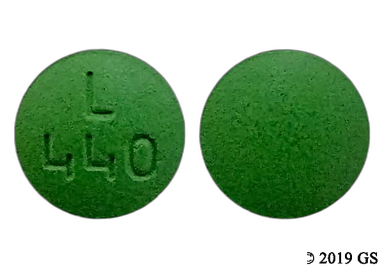
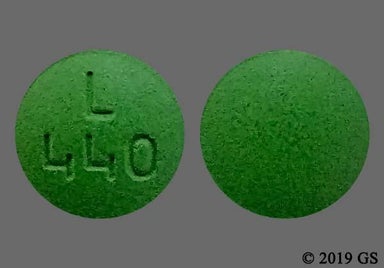
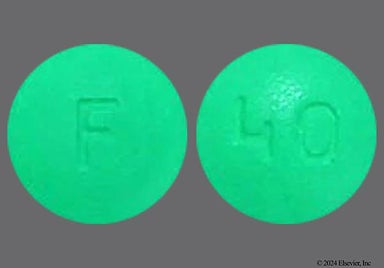
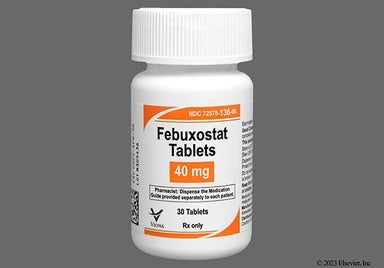
Febuxostat (Uloric) is a once daily medication that can prevent gout flares. It's a second-choice treatment option after allopurinol (Zyloprim).
Febuxostat (Uloric) stops an enzyme called xanthine oxidase from making uric acid; this then lowers the uric acid levels in your body. Keeping uric acid levels low can prevent gout attacks and kidney stones.
The following side effects may get better over time as your body gets used to the medication. Let your healthcare provider know immediately if you continue to experience these symptoms or if they worsen over time.
Contact your healthcare provider immediately if you experience any of the following.
Along with its needed effects, a medicine may cause some unwanted effects. Although not all of these side effects may occur, if they do occur they may need medical attention.
Check with your doctor immediately if any of the following side effects occur:
Rare
Arm, back, or jaw pain
black, tarry stools
bloody nose
blurred vision
chest pain or discomfort
chills
cloudy urine
confusion
dark urine
decreased frequency or amount of urine
difficult or labored breathing
difficulty with moving
dizziness
fainting
fast, irregular, pounding, or racing heartbeat or pulse
feeling of fullness
gaseous abdominal or stomach pain
general feeling of tiredness and weakness
headache
heavier menstrual periods
inability to speak
increase in heart rate
increased thirst
itching, skin rash
joint pain, stiffness, or swelling
large, hive-like swelling on the face, eyelids, lips, tongue, throat, hands, legs, feet, or genitals
lightheadedness
loss of appetite
loss of bladder control
muscle aching or cramping
nervousness
pain, swelling, or redness in the joints
painful or difficult urination
pale skin
pinpoint red spots on the skin
pounding in the ears
rapid breathing
redness of the skin
right upper abdominal or stomach pain and fullness
seizures
severe or sudden headache
shivering
slow or fast heartbeat
slurred speech
sores, ulcers, or white spots on the lips or in the mouth
stomach fullness or pain
sunken eyes
sweating
swelling
temporary blindness
thirst
tightness in the chest
trouble sleeping
trouble swallowing
unusual bleeding or bruising
unusual tiredness or weakness
vomiting
vomiting of blood or material that looks like coffee grounds
weakness in the arm or leg on one side of the body, sudden and severe
wrinkled skin
yellow eyes and skin
Incidence not known
Blistering, peeling, or loosening of the skin
difficulty with swallowing
hoarseness
lower back or side pain
muscle cramps or spasms
puffiness or swelling of the eyelids or around the eyes, face, lips, or tongue
red skin lesions, often with a purple center
red, irritated eyes
Some side effects may occur that usually do not need medical attention. These side effects may go away during treatment as your body adjusts to the medicine. Also, your health care professional may be able to tell you about ways to prevent or reduce some of these side effects. Check with your health care professional if any of the following side effects continue or are bothersome or if you have any questions about them:
Rare
bad, unusual, or unpleasant (after) taste
blistering, crusting, irritation, itching, or reddening of the skin
body aches or pain
breast pain
bruising
burning feeling in the chest or stomach
burning, crawling, itching, numbness, prickling, "pins and needles", or tingling feelings
change in taste
changes in hair color
continuing ringing or buzzing or other unexplained noise in the ears
cough producing mucus
cracked, dry, or scaly skin
decrease in smell
decreased interest in sexual intercourse
deep or fast breathing with dizziness
ear congestion
excess air or gas in the stomach or bowels
feeling of constant movement of self or surroundings
fruit-like breath odor
gum pain
hair loss or thinning of the hair
hearing loss
inability to have or keep an erection
inability to move the arms and legs
increased or decreased appetite
increased sensitivity of the skin to sunlight
increased sweating
increased urination
irritability
large, flat, blue, or purplish patches in the skin
loss in sexual ability, desire, drive, or performance
loss of consciousness
loss of voice
muscle or bone pain or stiffness
muscle spasm, tightness, or weakness
muscle twitching
numbness of the feet, hands, and around the mouth
painful blisters on the trunk of the body
pains in the stomach, side, or abdomen, possibly radiating to the back
sensation of spinning
severe or continuing stomach pain
severe sunburn
shakiness in the legs, arms, hands, or feet
skin rash, encrusted, scaly, and oozing
sleepiness or unusual drowsiness
small red or purple spots on the skin
stomach discomfort, upset, or pain
sudden numbness and weakness in the arms and legs
sweating
swelling of the breasts or breast soreness in both females and males
throat irritation
trembling or shaking of the hands or feet
trouble sleeping
unexplained weight loss
unusual drowsiness, dullness, or feeling of sluggishness
Incidence not known
Aggressive thoughts
false beliefs that cannot be changed by facts
seeing, hearing, or feeling things that are not there
Other side effects not listed may also occur in some patients. If you notice any other effects, check with your healthcare professional.
Call your doctor for medical advice about side effects. You may report side effects to the FDA at 1-800-FDA-1088.
There are some people who might be allergic to allopurinol (Zyloprim) or can't take it because they have severe kidney problems. Febuxostat (Uloric) can be a safer alternative for these individuals. For most people, however, febuxostat (Uloric) is not safer than allopurinol (Zyloprim) because of the risk for sudden heart-related death.
Yes, febuxostat (Uloric) is safe for your kidneys and can be used safely in people with kidney problems.
Febuxostat (Uloric) can help prevent a gout attack, not treat ones that are already happening. If you're in the middle of a gout attack, you should take a painkiller or colchicine (Colcrys) instead.
Febuxostat (Uloric) starts working within a few hours to lower uric acid levels. In the beginning, you might experience more gout attacks so it might not feel like it's working. However, the gout attacks happen because your body is moving uric acid around to adjust for the lower levels of uric acid in the blood. Continue taking it every day so it can work properly to prevent gout attacks in the future.
There hasn't been any studies to determine whether febuxostat (Uloric) is safe during pregnancy. If you're pregnant or wanting to become pregant, talk to you provider to see if they think febuxostat (Uloric) will be safe for you.
Febuxostat (Uloric) can cause some serious health issues. This risk may be even higher for certain groups. If this worries you, talk to your doctor or pharmacist about other options.
In clinical trials, there were more heart disease-related deaths in people taking febuxostat (Uloric) than in those taking allopurinol. For this reason, febuxostat (Uloric) should only be used if allopurinol doesn't work or can't be used. Let your provider know if you have a history of heart conditions and if you're taking preventative medications like aspirin. Get medical help right away if you have chest pain or a change in your heart beat.
Many people have more gout attacks during the first few weeks of taking febuxostat (Uloric). This might be caused by the changes in your uric acid levels. Your provider might prescribe another medication for you to take with febuxostat (Uloric) to help with the gout attacks in the beginning.
Although rare, febuxostat (Uloric) can cause serious liver damage, which can be fatal (deadly) in some cases. Your provider will check your liver labs regularly and might stop the medication if your labs look abnormal. Let your provider know if you have any yellowing of the skin or eyes, as these can be signs of a liver problem.
In some rare cases, people have developed a severe skin reaction after taking febuxostat (Uloric). If you developed a skin reaction after taking allopurinol (Zyloprim), you might also be at risk for developing one with febuxostat (Uloric) too. Stop taking febuxostat (Uloric) and call your provider right away if you notice red, swollen, blistered, or peeling skin.
The recommended starting dose is 40 mg by mouth once a day. Your provider might raise your dose to 80 mg once a day if you still have high uric acid levels after a couple of weeks.
Although certain medicines should not be used together at all, in other cases two different medicines may be used together even if an interaction might occur. In these cases, your doctor may want to change the dose, or other precautions may be necessary. When you are taking this medicine, it is especially important that your healthcare professional know if you are taking any of the medicines listed below. The following interactions have been selected on the basis of their potential significance and are not necessarily all-inclusive.
Using this medicine with any of the following medicines is not recommended. Your doctor may decide not to treat you with this medication or change some of the other medicines you take.
Using this medicine with any of the following medicines may cause an increased risk of certain side effects, but using both drugs may be the best treatment for you. If both medicines are prescribed together, your doctor may change the dose or how often you use one or both of the medicines.
Contraindications are specific health conditions or situations in which a person should not take a medication due to safety concerns. If you have any of the following conditions or if any of the following apply to you, let your healthcare provider know because Febuxostat (Uloric) will not be safe for you to take.