Enflonsia
Enflonsia (clesrovimab) is a monoclonal antibody that’s used to prevent respiratory syncytial virus (RSV) in babies who are born during or entering their first RSV season. It isn’t a vaccine. Your child will receive a single injection in the thigh muscle from a healthcare professional any time from birth up to 12 months old. This is usually done either right after birth or before RSV season starts. Common side effects include redness or swelling at the injection site and rash.


What is Enflonsia (clesrovimab)?
What is Enflonsia (clesrovimab) used for?
- Prevention of respiratory syncytial virus (RSV) in newborns and infants (up to 12 months old) who are born during or entering their first RSV season
How Enflonsia (clesrovimab) works
Enflonsia (clesrovimab) is a type of monoclonal antibody. It works by attaching to a protein on the surface of the RSV virus called the F protein. When it attaches to the F protein, the medication prevents the virus from infecting healthy cells, which stops the infection from starting. And if your baby does get RSV, Enflonsia (clesrovimab) can help make the illness less severe.
Drug facts
| Common Brands | Enflonsia |
|---|---|
| Drug Class | Monoclonal antibody |
| Controlled Substance Classification | Not a controlled medication |
| Generic Status | No lower-cost generic available |
| Availability | Prescription only |

Side effects of Enflonsia (clesrovimab)
The following side effects may get better over time as your body gets used to the medication. Let your healthcare provider know immediately if you continue to experience these symptoms or if they worsen over time.
Common Side Effects
- Redness at the injection site (4%)
- Swelling at the injection site (3%)
- Rash (2%)
Less Common Side Effects
- Diarrhea
- Decreased appetite
- Sleepiness
- Irritability
- Fever
Enflonsia (clesrovimab) serious side effects
Contact your healthcare provider immediately if you experience any of the following.
- Severe allergic reaction: Swelling of the face or throat, hives, itching
The following Enflonsia (clesrovimab) side effects have also been reported
Side effects that you should report to your care team as soon as possible:
- Allergic reactions—skin rash, itching, hives, swelling of the face, lips, tongue, or throat
Side effects that usually do not require medical attention (report these to your care team if they continue or are bothersome):
- Pain, redness, or irritation at injection site
- Skin rash

Pros and cons of Enflonsia (clesrovimab)
Pros
- One-time injection into your baby’s thigh
- Can be given at the same time as other vaccines
- Dose is the same regardless of weight
- It starts working right away to protect your baby and lasts for about 5 months
Cons
- Must be given by a healthcare professional
- Only FDA approved for children 12 months and younger
- Injection can be uncomfortable
- Risk of severe allergic reaction

Pharmacist tips for Enflonsia (clesrovimab)

- Enflonsia (clesrovimab) is given as a one-time dose by a healthcare professional at birth or at the beginning of RSV season. It’s typically injected into the muscle of your baby’s thigh.
- Enflonsia (clesrovimab) isn’t a vaccine. It is a lab-made antibody that gives babies immediate protection from RSV during their first RSV season.
- Even though Enflonsia (clesrovimab) can lower your baby’s risk of getting RSV, they could still get sick from RSV. Pay attention to any symptoms of RSV in your baby such as severe congestion, runny nose, or a low-grade fever.
- If your infant has heart surgery during RSV season, talk with your baby’s pediatrician, as they may need a second dose of Enflonsia (clesrovimab).
- Your baby may also get other vaccines at the same time as Enflonsia (clesrovimab). Check with their pediatrician if you have questions about your baby getting this medication along with routine vaccines.
- Reactions to Enflonsia (clesrovimab) are typically mild. If your baby experiences any redness or swelling around the injection site, contact their pediatrician. These side effects can happen up to 5 days after the injection.
- Enflonsia (clesrovimab) can also cause a rash on your baby’s body, typically seen up to 14 days after the injection. If your baby shows any symptoms of a rash, contact their pediatrician.
- Enflonsia (clesrovimab) can cause severe allergic reactions. Seek medical attention if your infant has any swelling of the lips, tongue, or throat or trouble breathing as these can be life-threatening.

Risks and warnings for Enflonsia (clesrovimab)
Enflonsia (clesrovimab) can cause some serious health issues. This risk may be even higher for certain groups. If this worries you, talk to your doctor or pharmacist about other options.
Severe Allergic Reactions
Enflonsia (clesrovimab) can cause severe allergic reactions like anaphylaxis. Anaphylaxis is a life-threatening reaction that causes swelling of the lips, tongue, or throat that can lead to trouble breathing. If your infant develops any symptoms of anaphylaxis after receiving the injection, seek medical help right away.

Enflonsia (clesrovimab) dosage
Typical dosage for Enflonsia (clesrovimab)
The typical dose is 105 mg injected once into your baby’s thigh muscle by a healthcare professional.

What are alternatives to Enflonsia (clesrovimab)?

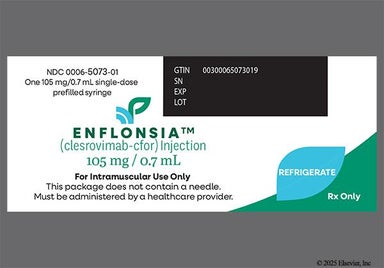
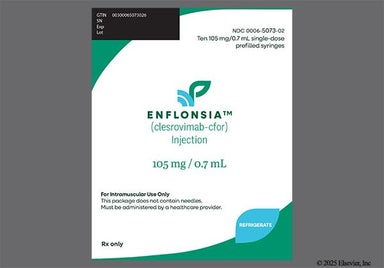
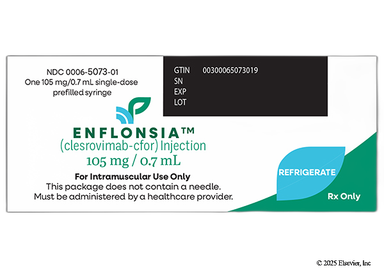
Enflonsia (clesrovimab) images