


Cabergoline for Fertility: How Soon Can You Get Pregnant After Taking Cabergoline?
Cabergoline can help treat infertility if you have high prolactin levels. Learn more with these FAQs from GoodRx.
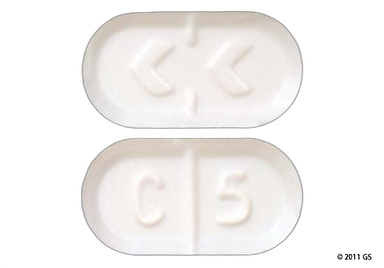
Cabergoline is a ergot derivative that's used to treat conditions where there's too much prolactin hormone in the body (hyperprolactinemia), specifically in adults who aren't pregnant. The usual dosage involves taking the tablets by mouth twice a week. Common side effects of cabergoline include nausea, constipation, headache, and dizziness. The brand name Dostinex is no longer available, but a generic version still is.

Cabergoline is an ergot derivative. It's also considered a long-acting dopamine receptor agonist, meaning it works a bit like the hormone dopamine. Normally, dopamine works to stop your body from making another hormone called prolactin. So acting like dopamine, cabergoline reduces the amount of prolactin your body makes.
| Common Brands | Dostinex |
|---|---|
| Drug Class | Ergot derivative |
| Controlled Substance Classification | Not a controlled medication |
| Generic Status | Lower-cost generic available |
| Availability | Prescription only |

The following side effects may get better over time as your body gets used to the medication. Let your healthcare provider know immediately if you continue to experience these symptoms or if they worsen over time.
Contact your healthcare provider immediately if you experience any of the following.
Along with its needed effects, a medicine may cause some unwanted effects. Although not all of these side effects may occur, if they do occur they may need medical attention.
Check with your doctor immediately if any of the following side effects occur:
Less common
Bloating or swelling of the face, arms, hands, lower legs, or feet
burning, crawling, itching, numbness, prickling, "pins and needles", or tingling feelings
chills
cold sweats
confusion
dizziness, faintness, or lightheadedness when getting up from lying or sitting position
fast, irregular, pounding, or racing heartbeat or pulse
general feeling of discomfort or illness
rapid weight gain
swelling around the eyes
tingling of the hands or feet
unusual tiredness or weakness
unusual weight gain or loss
Incidence not known
Chest pain or tightness
continuing loss of appetite
continuing or severe abdominal or stomach pain
continuing or severe nausea and vomiting
decreased ability to exercise
increased frequency of urination
loss of appetite
lower abdominal or stomach pain
lower back pain
trouble breathing
vomiting
weakness
Get emergency help immediately if any of the following symptoms of overdose occur:
Some side effects may occur that usually do not need medical attention. These side effects may go away during treatment as your body adjusts to the medicine. Also, your health care professional may be able to tell you about ways to prevent or reduce some of these side effects. Check with your health care professional if any of the following side effects continue or are bothersome or if you have any questions about them:
More common
Difficulty having a bowel movement (stool)
dizziness
excess air or gas in the stomach or intestines
full feeling
headache
lack or loss of strength
passing gas
Less common
Abdominal or stomach pain
acid or sour stomach
belching
blemishes on the skin
breast pain
burning, itching, or stinging of the skin
changes in vision
cramps
difficulty with moving
dry mouth or toothache
feeling of constant movement of self or surroundings
feeling of warmth
indigestion
itching skin
joint pain
muscle aches and pains
muscle stiffness
redness of the face, neck, arms, and occasionally, upper chest
sensation of spinning
shivering
sleepiness or unusual drowsiness
stomach discomfort or upset
sudden sweating
trouble sleeping
Rare
Bloody nose
difficulty in concentrating
increased in sexual ability, desire, drive, or performance
increased interest in sexual intercourse
Incidence not known
Attack, assault, or force
feeling that others are watching you or controlling your behavior
feeling that others can hear your thoughts
hair loss or thinning of the hair
pathological gambling
severe mood or mental changes
unusual behavior
Other side effects not listed may also occur in some patients. If you notice any other effects, check with your healthcare professional.
Call your doctor for medical advice about side effects. You may report side effects to the FDA at 1-800-FDA-1088.




Cabergoline can cause some serious health issues. This risk may be even higher for certain groups. If this worries you, talk to your doctor or pharmacist about other options.
In general, cabergoline should only be used in pregnancy if the benefits outweigh the risks. Be sure to talk to your healthcare provider if you plan to get pregnant or become pregnant while using cabergoline.
Taking cabergoline can cause serious heart conditions, including heart valve problems. Your provider might order an electrocardiogram (EKG) to check your heart before taking this medication. Let your provider know if you experience trouble breathing, chest pain, tiredness, dizziness, or fainting while taking cabergoline since those can be symptoms of heart valve problems.
Cabergoline might cause some changes in your behavior like aggression or difficulty controlling urges related to gambling, sex, or spending money, among others. This usually gets better after stopping the medication or lowering the dose. Tell your healthcare provider if you notice any of these changes in your behavior.

 Tablet
| Dosage | Quantity | Price as low as | Price per unit |
|---|---|---|---|
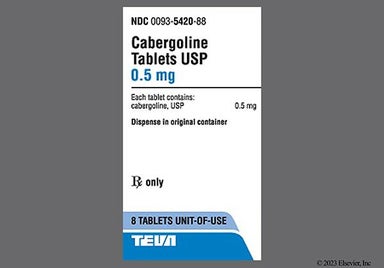
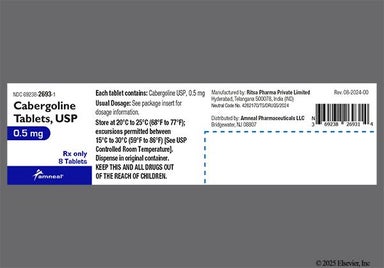
| 0.5mg | 8 tablets | $24.76 | $3.10 |
The typical starting dose is 0.25 mg by mouth twice per week. The maximum dose is 1 mg twice per week.
Your dose depends on the levels of prolactin in your blood, which your healthcare provider will monitor.

Although certain medicines should not be used together at all, in other cases two different medicines may be used together even if an interaction might occur. In these cases, your doctor may want to change the dose, or other precautions may be necessary. When you are taking this medicine, it is especially important that your healthcare professional know if you are taking any of the medicines listed below. The following interactions have been selected on the basis of their potential significance and are not necessarily all-inclusive.
Using this medicine with any of the following medicines is not recommended. Your doctor may decide not to treat you with this medication or change some of the other medicines you take.
Using this medicine with any of the following medicines is usually not recommended, but may be required in some cases. If both medicines are prescribed together, your doctor may change the dose or how often you use one or both of the medicines.


Contraindications are specific health conditions or situations in which a person should not take a medication due to safety concerns. If you have any of the following conditions or if any of the following apply to you, let your healthcare provider know because Cabergoline will not be safe for you to take.








Prescription savings
Stop paying too much for your prescriptions. Compare prices, get pharmacy coupons, and save up to 80%.Resources
About GoodRx
 Find expert answers to your health questions so you can make the best decisions for yourself and your family.
Health conditions
Medications & treatment
Access & affordability
Well-being
Medication discounts

It depends. Although it isn't FDA-approved for treating conditions besides those due to high prolactin levels in the body, Cabergoline has been used off-label to treat infertility. Since high prolactin levels can lead to problems with ovulation, Cabergoline is sometimes prescribed to stimulate ovulation. Other times, it's used to lower the risk of a serious condition called ovarian hyperstimulation syndrome (OHSS) that can happen during in vitro fertilization (IVF). Follow up with your provider to find out what to expect during your fertility treatment.
One small study showed that some side effects from Cabergoline, such as nausea, headache, stomach pain, and dizziness, can go away with time. There isn't much information about how long it takes for certain side effects to improve or go away, but studies suggest nausea might be related to the dose. Talk to your provider if you think you might be experiencing any side effects to learn about how you can manage them.
Cabergoline can start working within 3 hours after taking a dose to help lower your prolactin levels. But remember, everyone reacts differently to medications, and how you respond can also depend on your dose.
There is very limited information about the relationship between Cabergoline and breast size. This wasn't reported by people taking the medication during clinical studies. One case report showed that Cabergoline reduced breast size in a woman with high prolactin levels and extra breast tissue. But, more research in this area is needed.
During clinical studies, both weight loss and weight gain were reported as side effects. But less than 1% of people taking Cabergoline reported these weight changes. If you're concerned about your weight, speak with your healthcare provider.
It can, but this side effect doesn't appear to be very common. About 3% of people taking Cabergoline during a 4-week study reported depression as a side effect. If you notice changes in your mood, follow up with your provider so they can determine if it's due to the medication.
