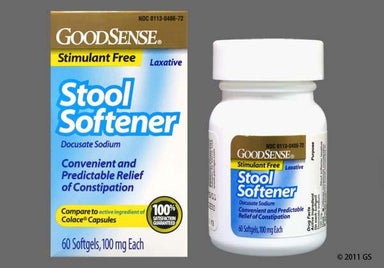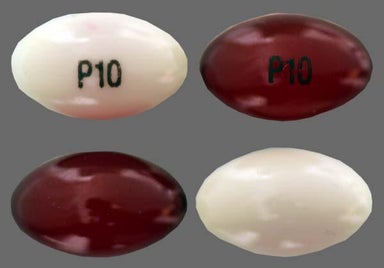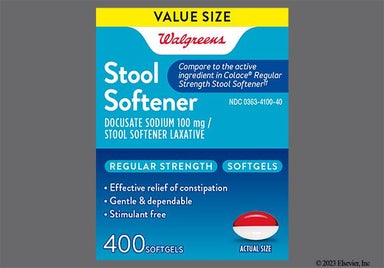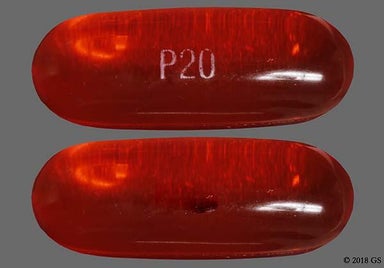
docusate sodium
Docusate, often known by the brand name Colace, is a stool softener that you can find over the counter (OTC). It helps relieve constipation in adults and children. You take this medication by mouth, and it comes as capsules, tablets, and a liquid. The dosage depends on the formulation you have and your age. Side effects aren't common, but some people might have stomach cramps. Even though Colace is a popular brand name, docusate is also sold under many other brand names and as a generic.


What is Docusate (Colace)?
What is Docusate (Colace) used for?
- Occasional constipation
How Docusate (Colace) works
Docusate (Colace) is a stool softener. It draws water and fat into your stool. This makes your stool softer and helps it move easier through your gut. It helps relieve constipation and avoid straining when having a bowel movement.
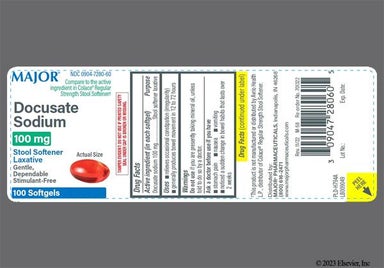
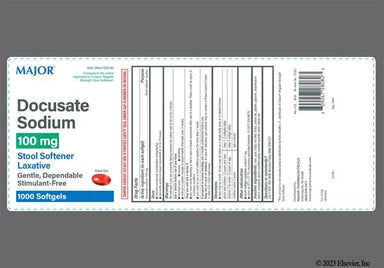
Drug facts

Side effects of Docusate (Colace)
The following side effects may get better over time as your body gets used to the medication. Let your healthcare provider know immediately if you continue to experience these symptoms or if they worsen over time.
Common Side Effects
Less Common Side Effects
- Throat irritation (liquid form)
- Bitter taste in the mouth (liquid form)
- Rash
Docusate (Colace) serious side effects
Contact your healthcare provider immediately if you experience any of the following.
- Rectal bleeding: bright red blood when wiping, red-colored water in the toilet, blood mixed in with or on the outside of your stool
- No bowel movement after regularly taking the medication
The following Docusate (Colace) side effects have also been reported
Side effects that you should report to your care team as soon as possible:
- Allergic reactions—skin rash, itching, hives, swelling of the face, lips, tongue, or throat
Side effects that usually do not require medical attention (report to your care team if they continue or are bothersome):

Get your GoodRx coupon

Pros and cons of Docusate (Colace)
Pros
- Softens your stool so you don't have to strain
- Available OTC at local pharmacies so you don't need a prescription
- Okay for children of certain ages to take
Cons
- Can take hours to a few days to have a bowel movement
- Should only be used short term (less than 7 days)
- Not a first-choice treatment option for chronic constipation

Pharmacist tips for Docusate (Colace)

- If you have stomach pain, nausea, or vomiting, talk to a healthcare professional first before taking docusate (Colace). You should also talk to them if your bowel habits have suddenly changed for more than 2 weeks. They can check if something more serious is going on and make sure docusate (Colace) is okay for you to take.
- You can take docusate (Colace) at any time of day. Take note of when you need to have a bowel movement after taking. Next time, you can try to time your dose so you'll be near a bathroom when you expect to have a bowel movement after taking the medication.
- Talk to a healthcare professional or your primary care provider if you need to take docusate (Colace) for more than a week. They can check is something else is causing your symptoms and if you need other treatment.
- Don't take docusate (Colace) if you're using mineral oil, unless a healthcare professional says it's okay. Using these two products together can raise the amount of mineral oil your body absorbs. This could lead to an inflammatory reaction.
- There are a few other ways to help manage constipation. Make sure to drink plenty of fluids. Also continue to eat foods that are high in fiber, like fruits, beans, and nuts. These tips help you have regular bowel movements.
Tips for the liquid form of docusate
- Shake the liquid container of docusate well before using. Use the medication dosing cup that comes with the product to measure out the dose. Don't use kitchen or measuring spoons since they might not be accurate. Ask the pharmacy if you need any dosing cups or oral syringes to help measure out the medication.
- Mix the docusate liquid with a full glass of milk or fruit juice. This helps prevent throat irritation.

Common questions about Docusate (Colace)
Most people will have a bowel movement within 12 to 72 hours of taking docusate (Colace). Talk to a healthcare professional if you still don't have any bowel movements after a few days. They can see if there's something else going on.
Docusate (Colace) is usually taken once a day or split into a few doses during the day. But always read the instructions on the product you're using. Different brand names of docusate might have different directions. When you're using it over the counter, it's not recommended to take docusate (Colace) for more than 1 week without talking to a healthcare professional.
You can take docusate (Colace) every day for up to 7 days in a row. You shouldn't take it regularly for a long time unless a healthcare professional says it's okay. If you need to take docusate (Colace) to have a bowel movement for more than 7 days in a row, follow up with a healthcare professional. They might need to check to if something more serious is causing your constipation.
Yes. Docusate (Colace) is an "emollient laxative," which is one of many types of laxatives. Laxatives work in different ways to help treat constipation. An emollient laxative draws water and fat into your stool, making it softer and easier to pass. The laxative that works best for you will change depending on the cause of your constipation. Talk to a healthcare professional if you're not sure docusate (Colace) is right for you.
Yes. Docusate (Colace) is generally considered safe to use as a short-term option to relieve occasional constipation during pregnancy. If you're pregnant and have constipation, speak to your obstetrician-gynecologist (OB-GYN). They can help you find the safest ways to get relief.
Docusate and senna are both over-the-counter laxatives. The main difference is how they work to relieve constipation. Docusate is a type of laxative called a stool softener. It helps mix water into the stool to make it softer and easier to pass. Senna stimulates the muscles in your gut to contract (tighten) and push the stool out. Compare and ask a healthcare professional for help to decide which laxative is right for you.
Miralax (polyethylene glycol) and docusate (Colace) are both over-the-counter options for occasional constipation. But they differ in a few ways. Docusate (Colace) is a stool softener. Some versions of the medication can be used in children as young as 2 years old. But Miralax (polyethylene glycol) is an osmotic laxative. It's approved for people 17 years and older. Also, Miralax (polyethylene glycol) often comes in a powder form that you mix with a beverage. But docusate (Colace) comes in capsules, tablets, and liquids that you take by mouth. Docusate (Colace) also comes as an enema. Ask a healthcare professional if you need help comparing the two laxatives.
There isn't a "best time" to take docusate (Colace). It can take 12 to 72 hours for the medication to help you have a bowel movement. See how long it takes for the medication to work when you first need to use it. Then, you can try to gauge when to take docusate (Colace) that works best for you.

How to save using GoodRx




Docusate (Colace) dosage
 Bottle of oral solution
| Dosage | Quantity | Price as low as | Price per unit |
|---|---|---|---|
| 473ml of 50mg/5ml | 1 bottle | $9.71 | $9.71 |
 Capsule
| Dosage | Quantity | Price as low as | Price per unit |
|---|---|---|---|
| 100mg | 30 capsules | $3.15 | $0.11 |
| 250mg | 90 capsules | $6.02 | $0.07 |
 Carton
| Dosage | Quantity | Price as low as | Price per unit |
|---|---|---|---|
| 30 mini-enemas of 283mg | 1 carton | $36.37 | $36.37 |
 Tablet
| Dosage | Quantity | Price as low as | Price per unit |
|---|---|---|---|
| 100mg | 60 tablets | $4.86 | $0.08 |
Typical dosage for Docusate (Colace)
This medication comes in different formulations. It also comes in two different salt forms (docusate sodium and docusate calcium).
Read the directions on the product label to make sure you're taking the medication properly.
-
Docusate sodium 100 mg capsules
- People ages 12 and older: The typical dose is 100 mg to 300 mg by mouth per day. It can be taken all at once or in multiple doses throughout the day.
- Children ages 2 to under 12 years old: The typical dose is 100 mg by mouth once a day.
- Children under 12 years old: Ask a healthcare professional.
-
Docusate calcium 240 mg capsules
- People ages 12 and older: The typical dose is 240 mg by mouth once a day.
- Children under 12 years old: Ask a healthcare professional.
-
Docusate sodium 100 mg tablets
- People ages 12 and older: The typical dose is 100 mg to 300 mg by mouth per day. It can be taken all at once or in multiple doses throughout the day.
- Children under 12 years old: Ask a healthcare professional.
-
Docusate sodium oral liquid
-
Generic oral liquid: Each 5 mL contains 50 mg of docusate sodium.
- People over 12 years old: The typical dose is 5 mL to 30 mL (or 1 to 6 teaspoonsful) by mouth per day. This dose can be taken as a single daily dose or separated into many doses throughout the day.
- Children under 12 years old: Ask a healthcare professional.
-
Pedia-Lax oral liquid: Each 15 mL contains 50 mg of docusate sodium.
- Children ages 2 to under 12 years old: The typical dose is 15 mL to 45 mL by mouth per day. Don't give more than 45 mL in a 24-hour period.
- Children under 2 years old: Ask a healthcare professional.
-
More on Docusate (Colace) dosage


How much does Docusate (Colace) cost?

Docusate (Colace) contraindications
Contraindications are specific health conditions or situations in which a person should not take a medication due to safety concerns. If you have any of the following conditions or if any of the following apply to you, let your healthcare provider know because Docusate (Colace) will not be safe for you to take.
- Use or take mineral oil

What are alternatives to Docusate (Colace)?

News about Docusate (Colace)



![Meta description [≤160 chars. with spaces] Postpartum hemorrhoids are a common issue women face after delivery, but they don’t last forever. Here’s how you can get rid of hemorrhoids after birth.](https://www.grxstatic.com/4f3rgqwzdznj/520ldbWqSXW6fzCjAEAmSh/0a0d10c331295b8431af5c07d5f75751/cropped_sittting_on_toilet_holding_roll-1124476803.jpg?w=256&q=99&fm=webp)



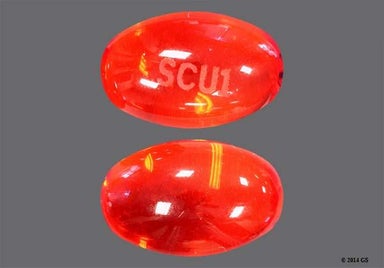
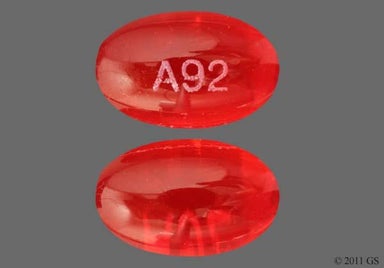
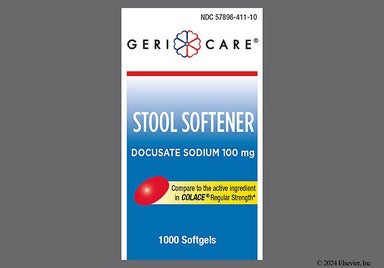
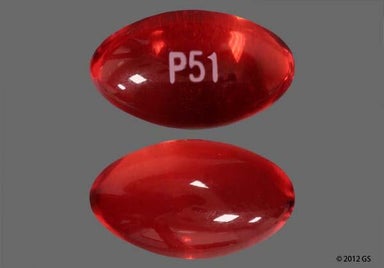
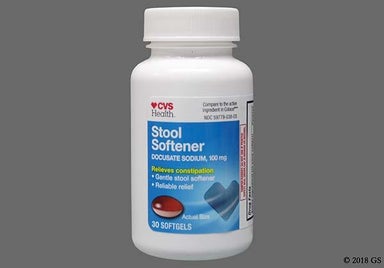
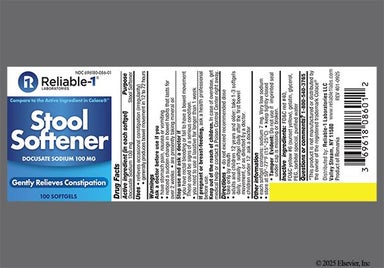
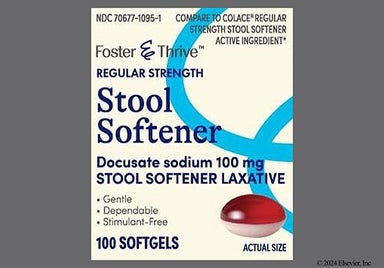
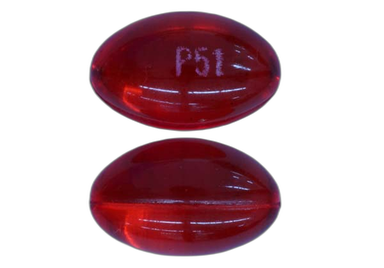
Docusate (Colace) images