



Keeping A Self-Proclaimed “Medical Weirdo” And Her Doctor Happy
GoodRx started with a simple idea: Help people find affordable medications. Help people understand their options. Help people get what they need for their

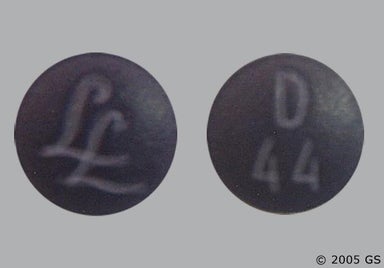
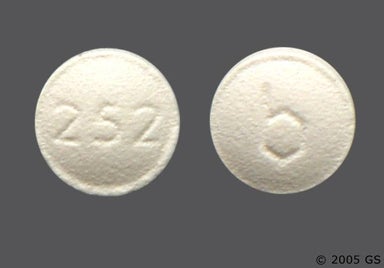
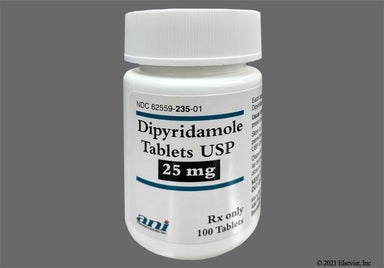
Dipyridamole is an antiplatelet medication that keeps blood clots from forming. It's often used with another blood thinner called warfarin (Coumadin). It helps lower the risk of clots in people who've had heart valve replacement surgery. You take dipyridamole 4 times a day, with or without food. The most common side effects are dizziness and upset stomach. Its brand name Persantine is no longer sold, but the generic version of dipyridamole is still available.

Dipyridamole is an antiplatelet medication. It works by blocking your platelets from clumping up together. This helps prevent blood clots from forming.
| Common Brands | Persantine |
|---|---|
| Drug Class | Antiplatelet |
| Controlled Substance Classification | Not a controlled medication |
| Generic Status | Lower-cost generic available |
| Availability | Prescription only |

The following side effects may get better over time as your body gets used to the medication. Let your healthcare provider know immediately if you continue to experience these symptoms or if they worsen over time.
Note: Side effects were reported by people taking dipyridamole with warfarin (Coumadin).
Contact your healthcare provider immediately if you experience any of the following.
Along with its needed effects, a medicine may cause some unwanted effects. Although not all of these side effects may occur, if they do occur they may need medical attention.
Check with your doctor as soon as possible if any of the following side effects occur:
Some side effects may occur that usually do not need medical attention. These side effects may go away during treatment as your body adjusts to the medicine. Also, your health care professional may be able to tell you about ways to prevent or reduce some of these side effects. Check with your health care professional if any of the following side effects continue or are bothersome or if you have any questions about them:
Other side effects not listed may also occur in some patients. If you notice any other effects, check with your healthcare professional.
Call your doctor for medical advice about side effects. You may report side effects to the FDA at 1-800-FDA-1088.




Dipyridamole can cause some serious health issues. This risk may be even higher for certain groups. If this worries you, talk to your doctor or pharmacist about other options.
Dipyridamole can make your blood pressure go down. This can make you feel dizzy, tired, or lightheaded. Tell your prescriber if you have heart problems or usually have low blood pressure. They can check that dipyridamole is safe for you.
it's important to drink plenty of fluids while taking dipyridamole. Be sure to stay hydrated when you have a lot of diarrhea, vomit a lot, or sweat too much. If you get dehydrated (don't have enough fluids in your body), your blood pressure could drop even more.
If you feel dizzy, lightheaded, faint, or tired, sit down slowly while holding onto something so you don't fall. Let your prescriber know if this happens while you're taking dipyridamole. If you ever feel confused or fall and hit your head, get medical help right away.
Some people who took dipyridamole had higher liver enzyme levels on their blood tests. This can be a sign of liver damage. In some cases, liver problems can be serious and might even lead to liver failure.
Tell your prescriber if you've had liver problems before. You might need to get blood tests done before starting dipyridamole and during treatment. This helps your prescriber check your liver health.
Get medical help right away if you notice yellow skin or eyes, a swollen belly, stomach pain, or confusion. Also get help if you have black, tarry, or bloody stools or dark or brown urine. These could be signs of liver damage. Your prescriber can check to see if you need to stop taking dipyridamole to keep your liver safe.


Although certain medicines should not be used together at all, in other cases two different medicines may be used together even if an interaction might occur. In these cases, your doctor may want to change the dose, or other precautions may be necessary. When you are taking this medicine, it is especially important that your healthcare professional know if you are taking any of the medicines listed below. The following interactions have been selected on the basis of their potential significance and are not necessarily all-inclusive.
Using this medicine with any of the following medicines is not recommended. Your doctor may decide not to treat you with this medication or change some of the other medicines you take.
Using this medicine with any of the following medicines is usually not recommended, but may be required in some cases. If both medicines are prescribed together, your doctor may change the dose or how often you use one or both of the medicines.
Using this medicine with any of the following medicines may cause an increased risk of certain side effects, but using both drugs may be the best treatment for you. If both medicines are prescribed together, your doctor may change the dose or how often you use one or both of the medicines.





Prescription savings
Stop paying too much for your prescriptions. Compare prices, get pharmacy coupons, and save up to 80%. Find expert answers to your health questions so you can make the best decisions for yourself and your family.
Health conditions
Medications & treatment
Access & affordability
Medication discounts

Dipyridamole is usually safe when you take it the way your prescriber instructs you to. Like any other medication, it can have side effects. With Dipyridamole, you might feel dizzy or have an upset stomach. These side effects often get better over time. If they bother you or don't go away, talk to your prescriber.
Yes, Dipyridamole is a type of blood thinner called an antiplatelet medication. It stops the platelets in your blood from clumping up together. This helps stop blood clots from forming.
No, Dipyridamole isn't an anticoagulant. It's an antiplatelet. Both classes of medications can help prevent blood clots from forming, so they're often called "blood thinners." But they work in different ways and are sometimes used in different situations. Dipyridamole is usually taken along with warfarin (Coumadin), which is an anticoagulant.
Children 12 years and younger shouldn't take Dipyridamole. This medication hasn't been studied in this age group, so we don't know if it works well or is safe for them. Also, some people with certain health conditions need to be more careful with Dipyridamole because it might cause more problems. This includes people with heart problems, low blood pressure, or liver issues. It also includes those taking certain medications for dementia or Alzheimer's disease. Tell your prescriber about all your medical conditions and medications you take. This helps them make sure Dipyridamole is safe for you.
Dipyridamole and low-dose aspirin are both antiplatelet medications. They both work to help stop blood clots from forming. They can lower the risk of clots after heart valve replacement surgery. But Dipyridamole is taken 4 times a day, while low-dose aspirin is only taken once a day. Cardiologists usually prefer low-dose aspirin over Dipyridamole because there's stronger evidence that it helps prevents serious problems, like strokes. Talk to your prescriber about your options.
There are no specific foods that cause problems with Dipyridamole. But remember, you usually take this medication with warfarin (Coumadin), another blood thinner. Warfarin (Coumadin) has important food interactions that you should know about. These include foods high in vitamin K (like dark, leafy greens), avocado, and mango. Speak with your care team to learn more.
Dipyridamole starts working in about 20 minutes to help prevent clots from forming. If you have questions about how fast the medication works, ask your prescriber.
Yes, Dipyridamole is still available. Ask your prescriber or pharmacist if you have other questions about availability.
