


Heparin, Premarin, and More: These Medications Are Made With Animal Byproducts
You may not realize that some medications contain animal byproducts. Here's why, plus a list of common meds and which animals they come from.
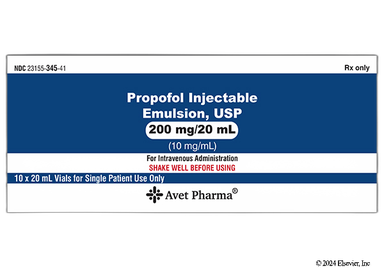
Propofol (Diprivan) is an injectable medication that's a sedative. It's used to put people to sleep during surgery or other medical procedures.

| Common Brands | Diprivan |
|---|---|
| Drug Class | Sedative |
| Controlled Substance Classification | Not a controlled medication |
| Generic Status | No lower-cost generic available |
| Availability | Prescription only |





Prescription savings
Stop paying too much for your prescriptions. Compare prices, get pharmacy coupons, and save up to 80%. Find expert answers to your health questions so you can make the best decisions for yourself and your family.
Health conditions
Medications & treatment
Access & affordability
Medication discounts

Propofol is a sedative medication that puts you in a deep sleep. It can also be used as a general anesthetic so you don't feel pain. This medication is used for people undergoing surgery and for people in the intensive care unit (ICU) who are on a ventilator.
Diprivan, which is also available as a generic, is the only FDA-approved form of propofol. However, in response to the coronavirus disease of 2019 (COVID-19), the FDA issued an emergency use authorization (EUA) in 2021 for the use of an unapproved brand of propofol called Propofol-Lipuro 1%. This EUA was issued, because there isn't enough supply of Diprivan and its generic form in the United States. So, the EUA allows hospitals to get and use Propofol-Lipuro 1%. It's important to note that while this brand isn't approved by the FDA, Propofol-Lipuro 1% is approved in countries outside of the United States.
Propofol is a sedative and anesthetic medication. It's not exactly clear how it works, but it's thought to bind (attach) to a specific protein in your brain called the gamma-aminobutyric acid (GABA) receptor. This causes the release of the chemical GABA in your brain, which causes you to fall asleep (sedation) and lower your ability to feel pain (anesthesia).
Propofol is given as an injection through the veins (intravenous, IV). This is done by a trained healthcare provider who will make sure you get the medication at the correct dose and time. The dose of Propofol varies widely, because it depends on your weight and why you need to receive this medication.
Possible side effects include low blood pressure, high triglyceride (fat) levels, pain at injection site, and involuntary body movements. Additionally, Propofol can cause a rare, but serious condition called propofol infusion syndrome (PRIS), but it's usually linked to risky use of Propofol, such as exceeding recommended doses and using for a long time. Your proider might draw certain labs to monitor for PRIS.
